



Ask most homeowners whether they have considered pumped wall insulation, and the answer is usually some version of the same story. They looked into it, read something about polystyrene beads and electrical wiring, and deduced the whole idea was more trouble than it was worth.
That conclusion is understandable. It is also based on a confusion between one specific material and an entire installation method, and it is leaving a significant number of homes colder than they need to be this winter.
As June rolls around and heating bills are climbing, this is the right time to clear it up.
The concern that sends people in the wrong direction
The polystyrene bead concern is real. Expanded polystyrene (EPS) beads are one of several materials that can be pumped into wall cavities, and they carry legitimate issues: polystyrene is combustible, it can interact poorly with electrical wiring insulation, and it has compliance concerns in some applications. Homeowners who encounter this information and walk away from pumped wall insulation entirely are not being irrational.
The mistake is assuming the concern applies to the method, not the material.
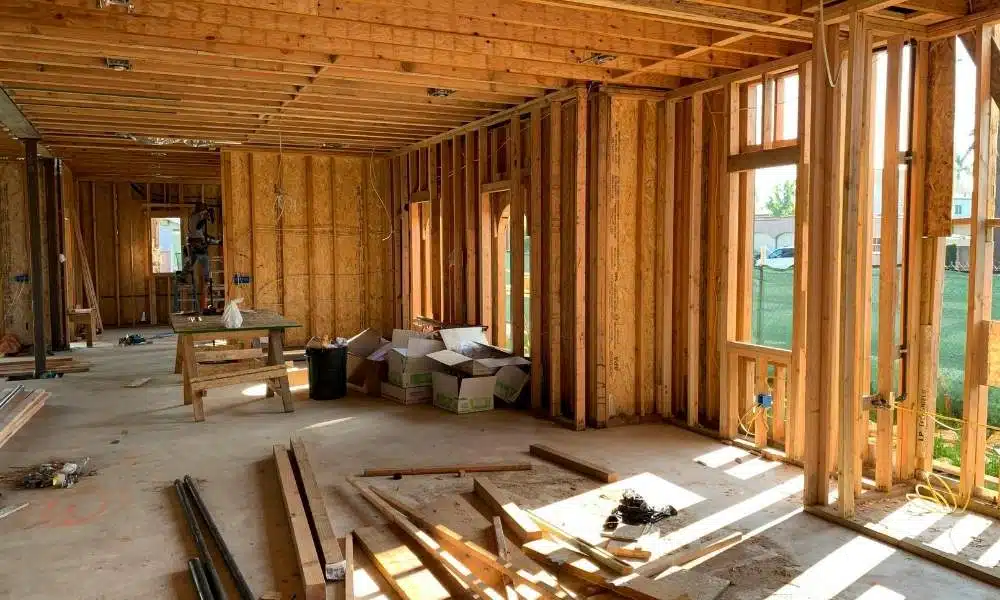
Pumped wall insulation as a technique simply means drilling small access holes and injecting loose-fill insulation material into an enclosed wall cavity without removing the wall linings. The material pumped through those holes can be polystyrene, but it does not have to be. The two materials used by reputable installers are mineral wool and cellulose fibre, and neither carries the issues that make polystyrene problematic.
What the safe materials actually are
Mineral wool is made from natural and recycled materials (primarily basalt rock and recycled steel slag) spun into granulated fibres. It is non-combustible and maintains structural integrity at temperatures well above typical residential fire conditions. It does not reach with electrical wiring. It is moisture-resistant, which matters in wall cavities where condensation is a consideration. Some installers use granulated mineral wool specifically because of these properties.
Cellulose fibre is made from recycled paper treated with boric acid and borax as fire and pest retardants. It is one of the most environmentally friendly insulation options available, and it flows into irregular cavities and around obstructions that more rigid materials cannot reach. It is also an effective acoustic insulator. Cellulose is widely used for blown-in ceiling insulation in Australia, and the same material and method applies to wall cavities.
Both materials are safe in walls containing electrical wiring. Both are available from specialist installers across Australia. The conversation with an installer should include asking specifically which material they use and confirming it is not polystyrene, which is a reasonable question, and any reputable installer will answer it directly.


How it works for different Australian wall types
The installation process varies depending on how your home is built, but in all cases, the principle is the same: small holes, insulation pumped in, holes patched.
Double-brick homes are the most straightforward. Holes are drilled through the mortar joints between bricks, mineral wool or cellulose is pumped into the air gap between the two brick skins, and the holes are filled with mortar matched to the existing colour. From the outside, the wall looks unchanged.
Brick veneer homes can be approached from the roof space. By lifting a tile above the wall cavity and dropping a hose to the bottom, the cavity can be filled from the ground up as the hose is gradually raised. For cavities that cannot be accessed from the roof, small holes through the mortar joints achieve the same result.
Weatherboard and timber-framed homes are typically accessed from inside. Small holes are drilled through the internal gyprock between each stud bay, insulation is pumped into the cavity to fill the space between the studs and noggins, and the holes are patched and painted. The external cladding is not touched.
In all 3 cases, no wall lining needs to be removed. The disruption is limited to drilling, patching, and painting. A far smaller job than most homeowners assume when they hear “wall insulation retrofit.”
Why walls matter even if your ceiling is already insulated
Ceiling insulation is rightly the first priority for most homes. It delivers the highest thermal return per dollar, it is straightforward to install, and it can be completed in a day. If your ceiling is not insulated, that comes first.
But walls account for 25-25% of heat loss in a home, even where ceiling insulation is adequate. A house with good ceiling insulation and uninsulated walls is still losing a substantial portion of its heating and cooling energy every day, through every wall surface in contact with the outside.
Australian government guidance puts the combined potential savings from roof, wall, and floor insulation at more than 50% of heating and cooling costs. Ceiling insulation captures a significant portion of that, while wall insulation captures much of the remainder.
The practical result is a home that is inherently more comfortable before the heater is switched on, and one that needs less energy to reach and hold a comfortable temperature once it is.
The solar system sizing connection
Every kilowatt-hour saved through insulation is a kilowatt-hour the solar system does not need to generate.
This matters most for those considering solar but have not yet installed it. A household that reduces its heating and cooling load before sizing a solar system needs fewer panels to cover its bills. The difference between a 6.6kW and an 8.8kW solar system is roughly $2,000 to $3,000 at current Australian prices, comparable to the cost of a wall insulation retrofit.
The sequence that makes financial sense is to improve the home’s efficiency first, then size the solar system against the lower load. Doing it in the other order means paying for generation capacity that better insulation would have made unnecessary.
For those who already have solar, reduced heating and cooling demand means more of the solar generation goes toward other uses (or to the battery, or to the grid) rather than compensating for heat escaping through uninsulated walls.
What to do before winter sets in
June is here and heating bills peak in July and August. The window to act before the cold season is genuinely short.
- Draft sealing: The fastest and cheapest first step. Sealing gaps around doors, windows, exhaust fans, cornices, and downlights costs very little and can be done this weekend. The impact is immediate.
- Ceiling insulation: This should follow draft sealing if it’s not already in place or is inadequate. Most installers can schedule and complete a ceiling job within days.
- Pumped wall insulation: This takes longer to quote and schedule. The time to contact installers is now. Ask specifically about mineral wool or cellulose materials. Get quotes from at least two accredited installers who can assess your wall type and recommend the appropriate access method.
The federal Household Energy Upgrades Fund currently offers low-cost loans covering insulation alongside solar and battery installations, which means efficiency improvements and solar can be financed together rather than treated as separate projects.

The bottom line
The polystyrene concern that stops many homeowners from investigating cavity wall insulation is a legitimate concern about one specific material. It is not a reason to dismiss the method.
Mineral wool and cellulose pumped wall insulation are safe, effective, and available from specialist installers across the country. In the UK, cavity wall insulation is a standard retrofit with widespread public awareness and government support. In Australia, it remains one of the most underutilised efficiency upgrades available to homeowners with enclosed wall cavities, often because the research journey ends at the wrong conclusion.
A home with insulated walls needs less energy to stay warm. A home that needs less energy to stay warm needs a smaller solar system to cover that energy. That is a straightforward chain of logic that is worth acting on as winter rolls around.
Energy Matters has been in the solar industry since 2005 and has helped over 40,000 Australian households in their journey to energy independence.
Complete our quick Solar Quote Quiz to receive up to 3 FREE solar quotes from trusted local installers – it’ll only take you a few minutes and is completely obligation-free.