Australia has abundant sunshine throughout the year, making it an ideal location for harnessing solar energy. The Australian government has been promoting renewable energy, including solar energy, to reduce the country’s dependence on fossil fuels and mitigate the effects of climate change.
Solar power information
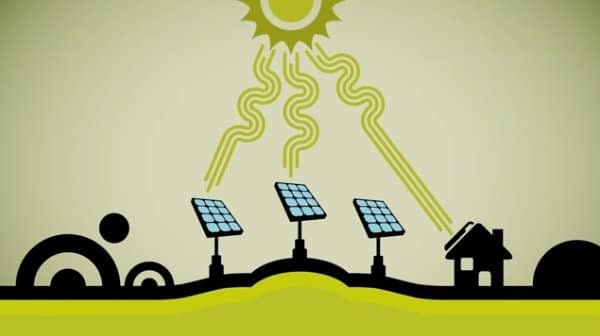
Solar power is clean green electricity that derives from sunlight or heat from the sun. The cleanest and most plentiful renewable energy source is solar energy. Through the use of solar technology, this energy can be captured for a variety of purposes, such as the generating of solar electricity and the heating of water for domestic, commercial, or industrial usage.
Solar electricity in your home usually means setting up a solar photovoltaic system on your roof. Discover more in our solar energy education sections ahead.
Definition of photovoltaic: Photo = “light” and photons = energy particles coming from sunlight; voltaic = producing a voltage or volts. Abbreviation = PV
Solar Energy Education
Solar energy is a renewable free source of energy that is sustainable and totally inexhaustible, unlike fossil fuels which are finite. It is also a non-polluting source of energy and it does not emit any greenhouse gases when producing electricity. The solar electricity that is produced can supply your entire or partial energy consumption.
Using solar energy means reducing your energy bills and saving money. Also, installing solar PV panels adds value to your home. They are low maintenance and unobtrusive. Read our10 tips for getting a solar power system, orsolar panel reviews.
Renewable energy education
Renewable energy is a vital part of Australia’s energy mix, as the country continues to reduce its dependence on fossil fuels and meet its greenhouse gas emissions targets. In recent years, there has been a significant increase in the use of renewable energy sources such as solar, wind, and hydroelectric power.
Solar panels use what’s known as the photovoltaic effect to generate power. This is the process by which light converts to solar energy at the atomic level.
Put simply, when light hits a solar cell, electrons are knocked loose from a solar cell’s semiconductor material atoms. Positive and negative electrical conductors associated with each solar cell form a circuit that captures this energy in the form of an electrical current.
Solar electricity
The electricity grid
Electricity travels from a power plant to your house via a power grid. This main grid is the national electricity grid. This grid provides power in QLD, NSW, VIC, SA, TAS, NT and WA. If you have no grid connection, it means that the power lines do not reach your house, usually because you live in a remote area. The power that supplies the grid most often comes from coal-fired power plants, which pollute the environment by releasing tons of greenhouse gases.
Grid connected solar power systems
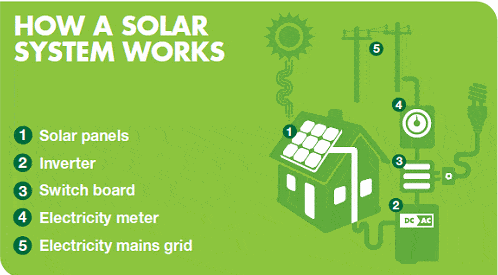
PV systems generate energy from sunlight during the day. This energy goes into a grid connectedsolar inverter which converts the DC into AC, similar to that of the grid. This solar electricity current can then power all the appliances in your home, such as cooking appliances, phones, computers, lights, radios, etc. Power comes directly from the solar inverter and any leftover electricity can feed back into the grid.
If you need more electricity than your grid connected solar system produces, that power will simply come from the main distribution grid.
On the other hand, if you produce more energy than what you use, then you will find a credit for the surplus on your electricity bill. Some electricity retailers offer net billing, meaning your supplier buys the excess power you produce for the same retail price they charge you.
Grid connect systems differ from stand alone solar power systems as they eliminate the need for a battery back-up. At night or during cloudy weather you can draw electricity directly from the grid. To install a grid connect solar PV system, you need sufficient space on your north-facing roof.
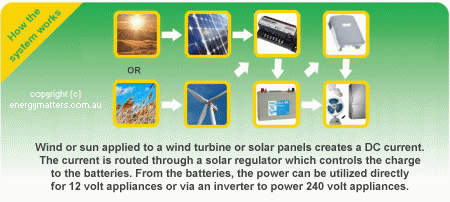
A stand alone solar system means that there is no connection to the public grid. When you are “off grid” it means that you must create your own electricity to run your home. In this case, solar panels or wind turbines charge batteries which store energy.
We often connect batteries to an inverter which supplies 240V AC power to run most appliances in a standard house. An inverter is unnecessary for stand alone systems that run DC appliances.
Solar PV pumping systems provide irrigation and drinking water in places where there is no main power available. These solar PV water pumps make an ideal replacement for diesel and petrol powered pumps as they deliver the most water at times of need, i.e. when the sun is shining. They also emit no greenhouse gas and last a very long time. Essentially, you can convert any DC pump to a solar pump with the correct controller.
Go to the following resource for more information about solar pumping.
Solar thermal/solar hot water
Solar thermal applications were the most popular category of solar energy technology. These technologies use heat from the sun for water and space heating, ventilation, and many other applications.
Heating water represents the biggest single source of greenhouse gas emissions in an average Australian household (if you don’t count the car). The Australian government is encouraging households to switch to sustainable hot water technologies by introducing financial rebates. The rebates aim to reward homes for replacing traditional hot-water heaters with clean energy hot-water like solar and solar thermal hot water storage systems. Home owners can save up to 75% on their water heating bills with a solar hot water system.
Solar hot water technology is entirely different to the technology that you see when you think of the basic solar PV panels on the roof of a house. Solar hot water systems usually comprise of a solar collector and a tank.
There are two types of collectors:
evacuated tubes, and
flat plate collectors
As heat rises, the hot water delivered to the tank from the solar collectors is drawn from the top for use in the house
Energy Matters has over 17 years of experience in the solar industry and has helped over 40,000 Australian households in their journey to energy independence.
Let us discuss and choose the best quote that suits your needs and budget. Use our free solar quote system to getup to 3 free solar quotesfrom our network of trusted, local solar installers in Melbourne. Complete our quick quizand begin your solar journey today!