







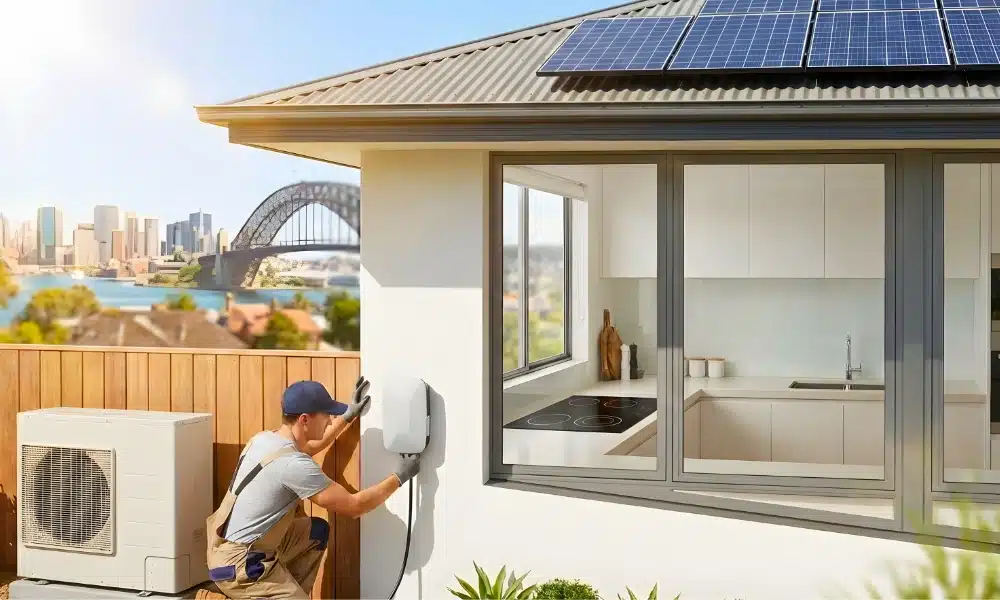
Sydney’s gas ban is now a reality for many new residents across the city. As of January 1, 2026, the City of Sydney has officially prohibited gas connections in new residential and commercial developments. This landmark shift aims to reduce carbon emissions and lower energy costs for families. If you are planning a new build, understanding Sydney’s gas ban is essential for your future home.
Sydney’s gas ban for new homes: What new homeowners need to know
Sydney’s gas ban and new homes rules mandate that new homes built in the City of Sydney must be all-electric, rather than using fossil-fuel gas appliances. This shift to all-electric aims to cut emissions, boost health, and lower long-term costs for homeowners.


What is the Sydney gas ban new homes policy?
The City of Sydney Council has introduced new planning controls that stop the installation of gas appliances in new residential buildings. These rules are part of a broader shift to electrification and healthier, more sustainable housing. Key elements include:
● Indoor gas appliances banned from 1 January 2026 – This includes gas cooktops, ovens, and heaters.
● All-electric requirements expanding from 1 January 2027 – Outdoor gas appliances like gas hot water systems and heaters are included for new homes and new large commercial buildings.
● Applies only to new builds – Existing homes and renovations are not subject to these specific bans.
This policy reflects a growing trend toward electrification, seen in other Australian areas such as parts of Victoria and the ACT.
Why Sydney is moving away from gas
Environmental impact
Gas appliances emit greenhouse gases and indoor air pollutants. Removing them helps reduce Sydney’s carbon footprint and aligns with climate goals. Use Energy Matters’ carbon footprint calculator to calculate your household and business’s direct emissions.
Health benefits
Indoor gas combustion produces nitrogen dioxide and other harmful pollutants. Health organisations have backed the move, noting benefits for respiratory health and indoor air quality.
Energy costs
Gas prices have historically been volatile, and homeowners might face higher bills. Council modelling suggests households could save around $626 per year with all-electric homes.





What this means for new homeowners
1. Electric cooking and heating
Traditional gas stoves and heaters won’t be installed in new builds from 2026. New homes must use electric appliances:
- Induction cooktops
- Electric ovens
- Electric space heating and cooling
2. Hot water and outdoor appliances
From 2027, electric hot water systems and outdoor gas appliances (like BBQs and outdoor heaters) are included in the electrification rules.
3. Home design and infrastructure planning
Planning early saves time and money. All-electric homes need proper electrical infrastructure, including:
- Adequate electrical panel capacity
- Efficient heat pumps or electric hot water units
- Space for EV chargers if relevant
Key appliances in your new all-electric home
Sydney’s gas ban means you need to choose electric alternatives for traditional gas tasks. Induction cooktops are the new gold standard for modern kitchens. They offer faster boiling times and more precise temperature control than gas flames. Plus, they are much easier to clean because the surface stays relatively cool.
For climate control, reverse-cycle air conditioning is the most efficient choice under Sydney’s gas ban. These systems provide both heating and cooling from a single unit. They are far more efficient than old-fashioned gas wall heaters or ducted gas systems. You will stay comfortable year-round while using less grid electricity.
Summary of gas vs. electric home features
| Feature | Traditional Gas Home | All-Electric Home (Post-Ban) |
| Cooking | Gas burners (lower efficiency) | Induction (high efficiency and safe) |
| Hot water | Gas storage or instant | Heat pump (up to 80% more efficient) |
| Heating | Ducted gas or wall heaters | Reverse-cycle air conditioning |
| Daily fees | Pay for both gas and electricity | Pay for electricity only |
| Health | Indoor pollutants present | Clean indoor air quality |
| Solar synergy | Limited connection | Perfect for 100% self-sufficiency |
Overcoming common myths about Sydney’s gas ban
Some critics of Sydney’s gas ban claim that electric cooking is inferior for chefs. This is a myth, as most professional kitchens are now moving toward induction for its speed. Induction cooktops provide instant heat adjustment, just like gas, but without the wasted ambient heat. You get a cooler, more comfortable kitchen while preparing your favourite meals.
Another concern regarding Sydney’s gas ban is the reliability of the electricity grid. However, modern all-electric homes are becoming more resilient with home battery storage. During a power outage, a battery can keep your lights and essential appliances running. This level of independence is simply not possible with a standard gas connection.
Use Energy Matters’ easy-to-use solar power and battery storage calculator to determine the size of your solar system with storage! Our solar calculator will generate performance information and potential savings.
We can send this information to 3 of our pre-vetted and trusted local installers in your area to receive obligation-free solar quotes and take the first step towards true energy independence!

Sources: City of Sydney – Electrification Strategy, All electric buildings get the green light | Asthma Australia – Gas Stoves and Health, Asthma Triggers | AEMC – Residential Electricity Price Trends | 9News – Gas power to be outlawed in most new buildings in Sydney | 7News – City of Sydney bans gas appliances for all new homes with claims homeowners will save an extra $626 per year
Final tips for new homeowners
- Check whether your builder complies with the Sydney gas ban for new homes rules.
- Plan your electrical infrastructure early.
- Explore rebates and incentives for solar and efficient appliances.
- Consider a solar-plus-battery system to maximise savings.
By understanding the Sydney gas ban new homes policy now, you can build a home that’s healthier, greener, and cheaper to run over time.


How Energy Matters can help
Energy Matters invites all new homeowners in Sydney to explore tailored energy solutions that match the all-electric future:
Solar power systems
Installing a solar panel system now can reduce your electricity bills and support your all-electric appliances.
Solar battery storage
Add a battery to store excess solar energy and cut peak-time rates even more. Check our page for our recommended solar products.
Energy-efficient appliances
Choose high-quality, energy-efficient appliances such as electric cooktops, heat pumps, and hot water systems.
Ready to get started? Talk to the Energy Matters team today and secure a quote tailored to the new all-electric requirements. Make your new Sydney home clean, cost-effective, and future-ready!
Contact Energy Matters now for a free consultation and start your all-electric journey!