



Almost 50% of Australian homes are connected to mains gas. That’s 5 million homes still receiving gas bills and using natural gas. Electrification of the home is the removal of appliances that use gas or other fossil fuels to operate. Replacing these appliances are electric alternatives. These might operate by being connected via a standard wall outlet, hardwired to the home’s electrical system, or powered by batteries.
We’ll walk you through the steps of electrification and how making the switch can save you money while reducing your home’s carbon footprint.
On this page
Why you should consider electrifying your home
Electrifying your home cuts energy bills, reduces emissions, and future-proofs your household. Electric appliances are far more efficient than gas equivalents. They convert more energy into useful heat, motion, or cooling. That means less wasted energy and lower running costs.
Electrification also protects you from rising gas prices and network charges. Gas connections come with fixed daily fees, even if usage is low. Removing gas eliminates those charges entirely. For many homes, that saving alone is significant.
There is also a health benefit. Gas cooking releases nitrogen dioxide and other pollutants indoors. Electric induction cooktops remove that exposure completely. It is cleaner, safer, and easier to control.
Appliances and devices often powered by gas or fossil fuels
The following is a comprehensive list of common household items that use gas or fossil fuels.
Gas appliances in the home
- Gas cooktops and gas ovens
- Gas barbecues, including built-in BBQs
- Gas hot water systems, including storage and instantaneous units
- Gas space heaters, including wall furnaces and flued heaters
- Gas ducted heating systems
- Gas fireplaces and decorative gas log fires
- Gas pool and spa heaters
- Gas outdoor patio heaters
- Gas clothes dryers
- Gas camping stoves and portable cookers
- Gas pizza ovens and outdoor cookers
- Gas-powered absorption fridges in caravans, or off-grid setups
LPG and bottled gas items
- LPG BBQ bottles and swap-and-go cylinders
- LPG cookers for camping, caravans, and boats
- LPG portable heaters for camping
- LPG hot water units in some regional homes
- LPG space heaters in non-mains areas
- LPG forklifts in home workshops, or small businesses


Liquid fuels around the house
- Petrol cars, utes, and motorbikes
- Diesel cars, 4WDs, and work vehicles
- Petrol lawn mowers, including ride-ons
- Petrol whipper snippers and brushcutters
- Petrol chainsaws
- Petrol leaf blowers and garden vacs
- Petrol pressure washers
- Petrol generators, including camping and backup units
- Petrol outboard motors for boats
- Jet skis and other personal watercraft
- Two-stroke fuel mixes, plus the oil used with them
Solid fuels people still burn at home
- Wood heaters and wood fireplaces
- Wood-fired pizza ovens
- Coal and heat beads used in some BBQs
- Charcoal for kettles, smokers, and hibachis
Solid fuels people still burn at home
- Kerosene heaters, mostly in older setups
- Kerosene lamps for camping, or emergencies
Common electric items in Australian homes that may need upgrading
If your home was built before 2000, expect at least some upgrades. Lighting, switchboards, and wiring are often the first to change. These upgrades unlock the full benefits of electrification and solar.
Lighting and electrical basics
- Halogen downlights, especially older 240V fittings
- Fluorescent tubes and compact fluorescent lights
- Incandescent bulbs, still found in older homes
- Outdoor floodlights and security lights
- Bathroom heat lamps with inefficient globes
- Old dimmers not compatible with LED lighting
Switchboard and wiring infrastructure
- Outdated switchboards without RCD safety switches
- Ceramic fuses or rewireable fuse boards
- Limited circuit capacity for modern appliances
- Inadequate earthing in older homes
- Ageing wiring in homes built before the 1990s
Cooking and kitchen electrics
- Electric coil cooktops or solid plate cooktops
- Older electric ovens with poor insulation
- Under bench ovens without fan assist
- Rangehoods with low airflow efficiency
- Power points not rated for induction cooktops
Heating, cooling, and comfort
- Old electric resistance heaters
- Ceiling fans without DC motors
- Inefficient window or wall air conditioners
- Ducted systems without zoning or smart controls
- Bathroom exhaust fans without timers or sensors
Hot water and water-related electrics
- Electric storage hot water systems with resistive elements
- Instant electric hot water units with high peak demand
- Circulation pumps without timers
- Pool pumps running single speed motors
- Spa heaters without heat pump technology
Solar, storage, and energy management
- Older solar inverters nearing warranty expiry
- Solar systems without monitoring or export control
- Homes without smart meters
- Lack of energy monitoring or load control devices
- No provision for battery or EV charger installation
Power outlets and household electronics
- Insufficient power points in high use areas
- Power boards used as permanent solutions
- Old USB chargers with low efficiency
- Standby heavy devices without smart power control
Transport and mobility electrics
- No dedicated circuit for EV charging
- Standard power points used for daily EV charging
- Lack of load management for EV chargers
- Garage wiring not rated for sustained high loads
“Invisible” electric loads worth addressing
- Always on modems, routers, and network gear
- Old fridges or freezers in garages
- Second refrigerators used intermittently
- Wine fridges and bar fridges with poor efficiency
How much will it cost to make the switch?
The cost of electrifying a home depends on how many appliances you replace and when you do it. Replacing everything at once requires more upfront investment, while upgrading gradually spreads costs over time and often aligns better with natural replacement cycles.
Upfront costs vary by appliance. Induction cooktops can range from relatively affordable to premium, depending on size and features. Heat pump hot water systems cost more initially but are dramatically cheaper to run than gas systems. Reverse cycle air conditioning often replaces gas heating entirely and delivers year-round heating and cooling from one system. Government rebates, energy efficiency incentives, and rooftop solar can substantially reduce overall costs and shorten payback periods.

Can I disconnect from the gas mains?
In most cases, yes, you can disconnect from the gas network once all gas appliances have been removed or replaced. The exact process varies by state and distributor, but it is generally straightforward. A licensed gas fitter will permanently cap the supply and arrange for the gas meter to be removed.
Once disconnected, you no longer pay daily gas supply charges. This is where many households see immediate savings. Keeping gas connected for a single appliance is often the least economical option, as the fixed charges remain regardless of how little gas you use.
Practical steps to electrify your home
- Step one is to audit what you already have.
List every gas or fossil fuel appliance in your home, note its age, and estimate when it will need replacing. This helps you avoid ripping out working systems early and lets electrification happen naturally as appliances reach end of life. - Step two is to prioritise the biggest energy users.
Hot water and space heating usually deliver the fastest savings when electrified. Replacing these first reduces gas use significantly and can make it viable to disconnect from the gas mains sooner. - Step three is to check your electrical capacity.
Many homes need a switchboard upgrade before adding high power appliances like induction cooktops or heat pumps. Doing this early avoids delays later and keeps installation costs predictable. - Step four is to plan for solar, even if it comes later.
Electrification works best when paired with rooftop solar. Even if solar is not installed immediately, planning for it ensures your electrical upgrades support future savings.
The role of solar and battery storage in electrification
Electrification does not require solar or batteries. Moving all of your usage to electricity will consolidate your bills to just your energy retailer. You will benefit from understanding peak, off-peak, and shoulder times to minimise your costs. However, without solar and batteries, you will always be tethered to the grid and the fluctations of the electricity market.
Installing solar without batteries will see most or all of your daytime usage covered. This is fantastic for those who work from home or who shift power-heavy usage to daylight hours. This could mean using a time delay on your dishwasher or washing machine to ensure they run when the sun is shining.
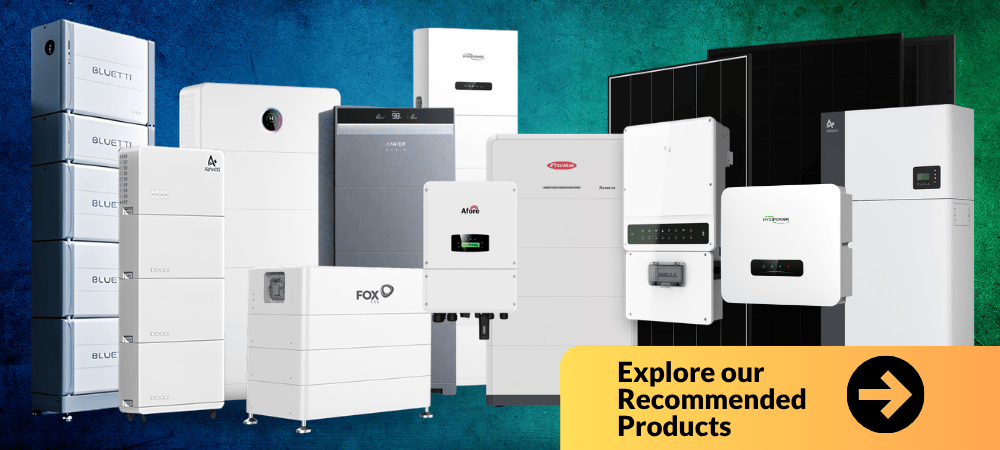
Solar plus batteries really elevate your electrification. Your daily household usage could be completely covered by the combination. A true whole-home backup system can also allow you to move off-grid – saying goodbye to gas AND electricity bills!
Energy Matters can connect you with local and trusted installers. They’ll provide you with free and no-obligation quotes for solar, batteries, and more. Get FREE Quotes today!
What to do with the items you're replacing
If your gas appliances are still in good working order, resale or donation may be possible. Some charities and community organisations accept heaters, cooktops, and hot water systems, provided they meet safety and age requirements.
Faulty or end of life appliances should be recycled responsibly. Many components can be recovered, but gas appliances must be decommissioned by licensed professionals. Reusing or recycling appliances reduces landfill waste and avoids unnecessary embodied emissions.
Does partly electrifying save money?
Partly electrifying your home can still deliver meaningful savings, especially if you replace high energy use appliances like hot water or space heating. These systems account for a large share of household energy consumption, so upgrading them often makes an immediate difference.
However, keeping gas connected for one remaining appliance limits overall savings. Daily gas supply charges still apply, which can erode financial benefits over time. Full electrification generally delivers the strongest long term outcome, particularly when paired with rooftop solar, but partial upgrades remain a smart and practical first step.

How to live off grid
Living off grid means generating and storing all your own energy, usually through solar and batteries, with careful energy management. It is most practical for rural or remote homes. For most households, grid connected electrification delivers similar benefits with far less complexity.
“Hidden” fossil fuels in everyday products
If you’re looking to extend your electrification journey beyond appliances and devices, here’s a list of everyday items that rely on fossil fuels as ingredients or during manufacturing.
Plastics and packaging
- Food containers, cling wrap, takeaway lids, and bottles
- Soft plastics, bubble wrap, and foam packaging
- Storage tubs, kids’ toys, and many kitchen gadgets
Synthetic fabrics and textiles
- Polyester, nylon, acrylic, and elastane clothing
- Fleece jumpers, activewear, and many school uniforms
- Carpets, rugs, and some curtains
Paints, glues, and renovation products
- Many paints, primers, and sealants
- Silicone, adhesives, and construction glues
- Expanding foams and insulation boards
- PVC pipes, fittings, and vinyl flooring
Cleaning, laundry, and personal care
- Many detergents, disinfectants, and sprays
- Shampoos, moisturisers, deodorants, and makeup
- Disposable nappies and hygiene products
- Wet wipes and microfibre cloths
Oils, lubricants, and consumables
- Engine oil, grease, and sprays like WD-40
- Chain oil for chainsaws
- Fuel stabilisers and additives
Candles and aerosols
- Paraffin candles, unless they are soy or beeswax
- Aerosol cans often use petrochemical propellants
Begin your electrification journey today
Whether you’re looking to make small swaps or go all-in, Energy Matters is ready to link you with trusted installers. These installers will walk you through the electrification process, assess your needs, and provide you with tailored and no-obligation quotes. The best part? This is a free service! Click the link below and get started today.