





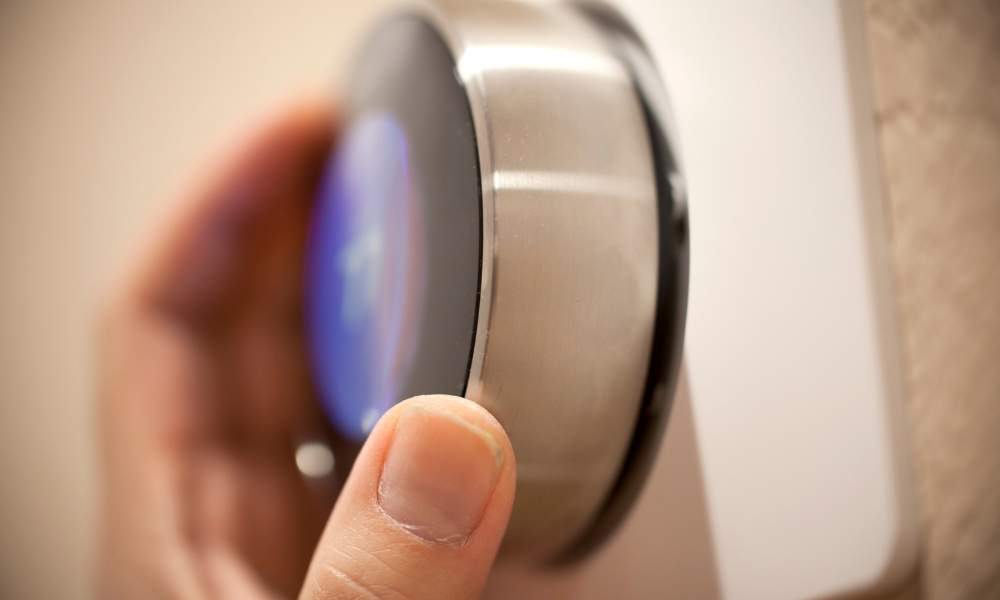
Traditional thermostats, with their “set it and forget it” approach, often fall short when it comes to efficient energy use. Enter the smart thermostat: a modern solution designed to take the guesswork out of home climate control. These intelligent devices offer a range of sophisticated features that go beyond simple temperature adjustments. From learning your habits and responding to your location to providing detailed energy reports, smart thermostats are changing the way we manage our home comfort. In essence, smart thermostats provide a range of intelligent features that actively reduce energy consumption and save homeowners money.
On this page



Did you know Energy Matters is Australia’s largest renewable news, blog and educational resource? Subscribe to Energy Matters’ weekly newsletter and keep updated even with incentives, rebates and recommended solar product offers.
Key smart thermostat features
What makes these thermostats smart? It’s all in the array of features they have. Let’s break them down:
The intuitive approach
Imagine a thermostat that gets to know you—your preferred temperatures at different times of the day, when you’re typically home, and when you’re out. That’s precisely what smart thermostats do. Over time, they learn your routines and automatically adjust the temperature accordingly. No more manually fiddling with the settings multiple times a day.
For instance, if you consistently lower the heat before bed and raise it again in the morning, your smart thermostat will pick up on this pattern and start doing it for you. This automated adjustment ensures you’re only using energy to heat of cool your home when you actually need it.
Location awareness for savings
Also known as geofencing, using your smartphone’s location, it creates a virtual boundary around your home. When you leave this zone, your smart thermostat can automatically set back the temperature, preventing energy waste on an empty house. As you approach home again, it can start warming or cooling things down so you walk into a comfortable environment. It’s like having your thermostat intuitively know when you’re coming and going, optimising energy use without you even having to think about it.
Targeted comfort, reduced waste
For homes with multiple zones, smart thermostats can take control to a whole new level. They allow you to manage the temperature in each zone independently. With zoned control, you can direct heating and cooling only to the rooms that are actually in use. It’s like only turning on the lights in the room you’re in, which is a simple yet effective way to cut down on unnecessary energy consumption.
Your comfort, your rules
While smart thermostats learn your habits, they also give you ultimate control through detailed scheduling. You can create custom temperature programs for different days of the week and specific times. Most smart thermostats also come with a “vacation mode” that maintains a more energy-efficient temperature while you’re away and ensures your home is comfortable upon your return. This level of customisation means you can tailor your energy usage precisely to your lifestyle.
Understanding your energy footprint
When it comes to saving energy, knowledge is power. A lot of smart thermostats provide detailed reports and insights into your energy consumption patterns. You can see how much energy you’re using, identify peak usage times, and even get suggestions on how to further optimise your settings. This data empowers you to make decisions about your heating and cooling habits and spot opportunities for even greater savings.
The tangible benefits
Smart thermostats aren’t just a tech upgrade. In fact, they can lead to some significant savings over time. While the exact amount varies depending on factors like your climate, your heating and cooling habits and the efficiency of your HVAC system, studies have shown that smart thermostats can help you save around 10-15% on your heating bills and about 15% on your cooling bills annually. That can really add up.
These savings are a direct result of how smart thermostats optimise energy use:
- By learning your habits and allowing for precise scheduling, they ensure your HVAC system isn’t running unnecessarily when you’re asleep or away.
- The geofencing feature adds another layer of efficiency by automatically adjusting temperatures based on your location, eliminating wasted energy on an empty house.
- For homes with multiple zones, smart thermostats enable targeted heating and cooling, so you’re only using energy to condition occupied spaces.
- Smart thermostats often play well with other smart home devices. You can integrate them with voice assistants for hands-free control. They can also work in conjunction with smart sensors, lighting systems, and even security systems to create a truly automated and intelligent home environment.
- Smart home features are becoming attractive to potential buyers. Installing a smart thermostat can be seen as a modern upgrade that adds value and appeal to your property. It signals a home that is comfortable, energy efficient, and forward-thinking.
Collectively, these smart functionalities work to minimise energy waste, leading to tangible reductions in your monthly bills. Beyond the financial advantages, this reduced energy consumption also contributes to a smaller environmental footprint, making a smart thermostat a win-win.
Considerations before buying
While smart thermostats offer a lot of advantages, consider a few key factors before you make a purchase to ensure you choose the right one for your home and needs:
- Compatibility with your existing HVAC system: Not all smart thermostats work with every type of heating and cooling system. Before you get one, double-check its compatibility with your air conditioner or heat pump. Most manufacturers provide compatibility checkers on their websites. You’ll also want to confirm if it can handle the voltage and wiring configurations of your current setup.
- Installation process: Some smart thermostats are designed for easy DIY installation, often involving just a few wires and a smartphone app for setup. Others might require professional installation, especially for more complex systems or aren’t comfortable working with electrical wiring. Consider your comfort level and the complexity of your current thermostat wiring when making your decision. Also, factor in the potential cost of professional installation if needed.
- Features and price points: Smart thermostats provide a wide range of features and price points. Some basic models focus on learning and scheduling, while more advanced ones include geofencing, multi-zone control, voice integration, and energy usage reports. Think about which features are most important to you and your lifestyle, and then compare models within your budget that provide functionalities. Don’t necessarily assume the most expensive one is the best fit for your needs.
- Privacy considerations: Like many smart home devices, smart thermostats collect data about your usage patterns and temperature preferences. It’s a good idea to understand the manufacturer’s privacy policy and how your data is being used. Look for reputable brands that are transparent about their data handling practices and provide security features to protect your information.
Smart thermostats are more than just tech upgrades; they’re intelligent energy savers. By learning your routines, responding to your location, and offering precise control, they actively cut down on energy waste, leading to significant savings. Beyond the financial perks, they boost comfort, offer remote control, and integrate with smart homes. While compatibility and features are key, the benefits of a smart thermostat point to a more efficient and comfortable home. If you’re ready to lower your energy bills and embrace smart living, it’s time to consider making the intelligent switch.
Get FREE Solar Quotes for Solar, Batteries + More!
One-stop Shop for Renewable Energy Products and More!