




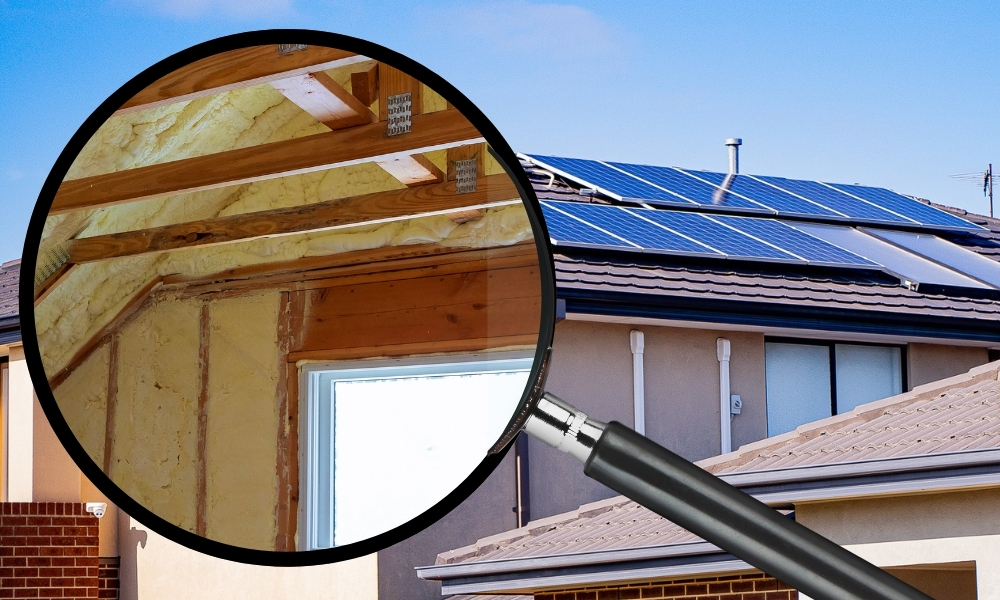
Maximising the return on your solar investment isn’t only about panels and inverters—it’s also about what happens inside your home. By improving home insulation and leveraging solar synergies, Australian households can significantly reduce wasted energy, ensuring solar power is utilised efficiently. With energy prices rising, insulation is one of the smartest ways to boost comfort while lowering electricity bills. Let’s explore how the right insulation strategies can amplify solar savings in Australia.
Why insulation matters for solar savings
Many homeowners focus on solar panel efficiency but overlook the impact on what happens inside the home. Poor insulation allows heat to escape in winter and enter in summer, forcing you to consume more electricity. By improving home insulation, you ensure the power generated by your solar system truly works for your household rather than being wasted.
Insulation also supports your solar synergies by balancing energy use across seasons. Less heating and cooling demand means more of your solar energy can be exported back to the grid, increasing feed-in tariff benefits.

Types of home insulation in Australia
Understanding different insulation options helps you choose the one that suits your property and climate zone. Each type contributes to maximising solar savings when appropriately installed. Choosing the right insulation depends on your location, house design, and whether you’re upgrading or building new.

Works by trapping air in its structure resisting heat flow Materials include fibreglass batts cellulose and polyester rolls Best for walls ceilings and underfloors

Uses reflective foil to reduce radiant heat transfer particularly effective in hot Australian summers Commonly installed under roofing

Expands to fill cavities and gaps offering both thermal and air sealing benefits Ideal for hard to reach spaces

Lightweight boards with high thermal resistance Effective for floors and external wall applications
Key areas to insulate for maximum solar synergies
Strategically insulating your home can drastically increase the benefits of your solar system. Focus on these critical areas:
- Roof and ceiling
- Up to 35% of heat loss or gain occurs here.
- Combine reflective and bulk insulation to combat both radiant and conductive heat.
- Walls
- Account for around 25% of heat transfer.
- Wall insulation works best when installed during construction or major renovations.
- Floors
- Prevents winter heat loss and maintains indoor comfort.
- Insulation is especially beneficial for homes built on stilts or with timber floors.
- Windows and doors
- Draught-proofing and double glazing minimise unwanted heat flow.
- Pair with curtains or blinds to add another insulation layer.
When all areas are covered, your solar system operates more efficiently, and your home requires less artificial heating or cooling.



Insulation and solar synergies: How they work together
Home insulation and solar power complement each other to deliver sustainable energy solutions. Here’s how these solar synergies unfold:
- Maximised feed-in tariffs: By reducing consumption, excess energy is sent back to the grid, earning you credits.
- Longer appliance lifespan: Reduced strain on air conditioners and heaters saves money on maintenance and replacements.
- Comfort across seasons: Insulation keeps homes cooler in summer and warmer in winter, making solar benefits more noticeable year-round.
- Energy efficiency boost: On energy efficiency, insulation reduces demand on heating and cooling appliances, while solar panels supply the clean energy required for residual use.
Let Energy Matters help you harness the sun’s power for a greener tomorrow. Explore the range of solar landscape lighting, garden solar systems, and eco-friendly products at our Energy Matters Marketplace, which features solar panels, energy storage solutions, and energy-efficient appliances. Start your journey towards a more sustainable and eco-friendly outdoor living experience today.
Practical insulation tips to amplify solar savings
To unlock the full potential of your solar and insulation strategy, consider these actionable steps:
- Conduct an energy audit
- Assess your current insulation and identify weak points.
- Professional audits reveal hidden gaps that compromise efficiency.
- Upgrade ceiling insulation
- Prioritise ceilings, as they lose the most heat.
- Consider R-values suited to your climate (higher R-values mean better insulation).
- Seal air leaks
- Use weather stripping, sealant, or foam to block gaps around doors, windows, and vents.
- Air sealing complements insulation and prevents energy waste.
- Combine passive design features
- Shade your windows, use lighter roof colours, and design airflow paths.
- These measures reduce solar gain in summer, complementing insulation performance.
- Maintain your insulation
- Check for damage from pests, moisture, or age.
- Replace compressed or degraded insulation to maintain effectiveness.
By applying these tips, your solar synergies multiply, giving you greater financial and environmental rewards.
The role of climate in choosing insulation
Australia’s vast geography means no one-size-fits-all insulation solution. Tailoring your choices ensures solar savings are maximised.
- Hot climates (e.g., Darwin, Brisbane)
- Prioritise reflective roof insulation to minimise radiant heat.
- Pair with good ventilation for natural cooling.
- Mild climates (e.g., Sydney, Perth)
- Balanced bulk insulation for ceilings and walls helps year-round efficiency.
- Draught-proofing reduces energy spikes during seasonal changes.
- Cold climates (e.g., Hobart, Canberra)
- Higher R-value insulation for ceilings, walls, and floors is essential.
- Double-glazed windows prevent winter heat loss.
By aligning insulation to your local climate, solar systems achieve peak efficiency.

Long-term benefits of combining solar and insulation
Investing in solar panels and home insulation isn’t just about cutting bills—it’s about long-term sustainability.
- Financial security: Lower energy consumption shields households from future price hikes.
- Environmental impact: Using less electricity from the grid reduces carbon emissions.
- Property value: Homes with solar synergies and quality insulation are more attractive to buyers.
- Health benefits: Insulated homes maintain stable temperatures, improving indoor comfort and well-being.
These benefits highlight why insulation is as important as solar when planning your energy-saving journey.
Next steps: Act now with Energy Matters
Ready to take control of your energy future and maximise your solar savings? Don’t let your valuable solar-generated electricity escape through poor insulation. Energy Matters is here to guide you. We offer solar energy expert advice on optimising your home’s energy efficiency, from solar system design to comprehensive insulation solutions.
Contact Energy Matters today for a free consultation and discover how combining smart insulation with your solar power system can deliver unparalleled comfort and savings. Act now to unlock the full potential of your investment!