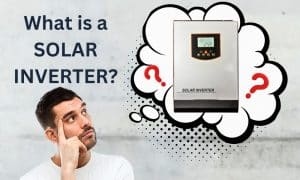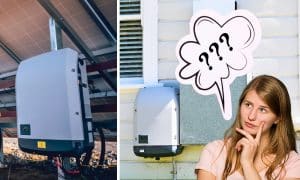




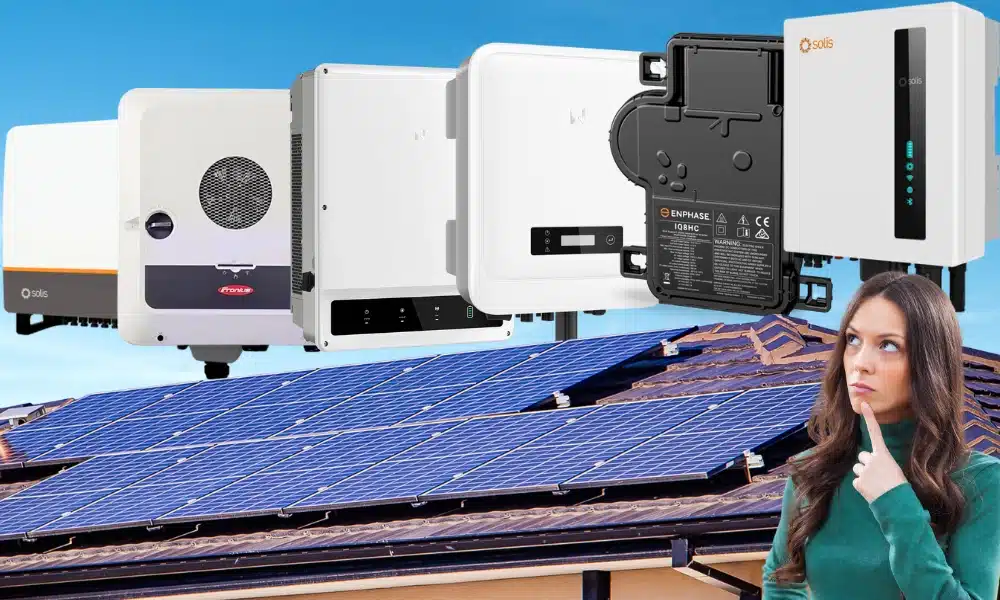
Choosing the right solar inverter is the most critical decision for any Australian household looking to leverage solar power. The solar inverter is the brain of your entire system, converting the DC electricity generated by your rooftop panels into usable AC electricity for your home.
While standard grid-tied inverters have long been the industry workhorse, the advanced hybrid inverter in the Australian market is rapidly gaining popularity. The choice you make today profoundly impacts your energy independence, blackout protection, and long-term savings. Energy Matters is here to cut through the complexity.

Powering your home: Hybrid inverter vs. Standard inverter in Australia
The fundamental distinction between a standard and a hybrid inverter lies in one simple word: battery. A standard inverter focuses solely on converting DC to AC, directing power to your home or the grid. A hybrid inverter is a sophisticated all-in-one device that not only performs this conversion but also includes the necessary components to manage and integrate a solar battery storage system intelligently.
The standard (string) inverter: The reliable workhorse
Standard inverters, also known as string inverters, are the most common and cost-effective choice. They link a ‘string’ of solar panels and operate with high efficiency.
- Functionality: Converts DC power from solar panels directly into AC power for immediate household use. Any excess electricity is exported back to the grid, earning a Feed-in Tariff (FiT).
- Cost-effectiveness: They represent the lowest initial capital outlay for a new solar system, making them attractive for budget-conscious installations.
- Simplicity: Installation is relatively straightforward, and they require minimal wall space compared to hybrid systems.
The hybrid inverter: The smart energy manager
A hybrid inverter combines a standard solar inverter and a battery inverter/charger into a single, highly efficient unit. This integrated design is central to unlocking the full potential of your solar power.
- Dual functionality: It converts DC to AC for home consumption and AC to DC for battery charging, all within one box.
- Energy management: The system intelligently prioritises power flow: first to your home, then to your battery storage, and finally to the grid.
- Future-proofing: Installing a hybrid model enables a battery-ready system, allowing you to easily add a solar battery storage system later without needing to replace the main inverter.
Use Energy Matters’ easy-to-use solar power and battery storage calculator to determine the size of your solar system with storage! Our solar calculator will generate performance information and potential savings.
We can send this information to 3 of our pre-vetted and trusted local installers in your area to receive obligation-free solar quotes and take the first step towards true energy independence!

Hybrid inverter benefits: Unlocking energy independence and savings
The appeal of the hybrid inverter in the Australian market is driven by compelling advantages that address the evolving needs of modern energy consumers. These hybrid inverter benefits extend far beyond simple electricity conversion.
1. Maximising self-consumption and ROI
The core financial advantage of a hybrid inverter system is its ability to store your excess daytime solar energy instead of exporting it for a low FiT. This stored energy is then used to power your home during the expensive peak-rate evening hours.
- Low FiT strategy: Since Feed-in Tariffs are often much lower than the price you pay for grid power, using your own stored energy provides a much greater financial return.
- Optimised usage: The smart energy management software ensures you draw from the cheapest source of power (solar panels or battery) first, maximising your overall savings.
2. Reliable backup power during blackouts
A standard grid-tied solar system is legally required to shut down during a power outage to protect utility workers, also known as linemen. A hybrid inverter, when paired with a battery and a backup circuit, can automatically switch to an off-grid mode, known as an ‘Uninterruptible Power Supply’ (UPS) mode.
- Seamless transition: This transition is typically instantaneous, ensuring that essential appliances, such as refrigerators, lighting, and communication systems, continue to operate.
- Grid independence: It provides essential peace of mind during Australia’s increasingly common severe weather events and network maintenance periods.
3. Streamlined installation and aesthetics
While a hybrid system includes more advanced technology, having a single unit to manage both solar and battery power reduces complexity and component count compared to systems that require two separate inverters (an AC-coupled setup).
- Space-saving: Consolidating functions into one unit saves wall space, a consideration in smaller utility rooms or garages.
- Reduced complexity: The simplified design and wiring configuration can often lead to a neater and quicker installation process, although the overall system is more sophisticated.


Direct comparison: Hybrid vs Standard inverter
Choosing between the two depends heavily on your current energy consumption, your desire for energy independence, and your long-term budget.
| Feature | Standard inverter | Hybrid inverter Australia |
| Battery ready | No (Requires additional battery inverter/charger) | Yes (Integrated, native support) |
| Blackout protection | No (Requires external changeover switch) | Yes (Built-in backup power capability) |
| System efficiency | High (Converts DC to AC once) | Higher (DC-coupled battery charging is more efficient) |
| Upfront cost | Lower | Higher |
| Primary goal | Maximise Feed-in Tariff (FiT) income | Maximise self-consumption and energy independence |
The financial equation: Self-consumption vs. Feed-in tariffs
As Feed-in Tariffs Explained across Australia continue to decrease, the financial incentive to export power is diminishing. Hybrid systems shift the focus to self-consumption, which is a financially smarter approach. Using your own stored solar power (which you value at the retail electricity price, e.g., $0.30/kWh) is far more valuable than exporting it for a low FiT (e.g., $0.05/kWh).
Key considerations for the Australian consumer
Installation and future-proofing
While the initial installation of a hybrid inverter system in Australia may be more complex than installing a standard system, it is significantly more streamlined than retrofitting a standard inverter with an AC-coupled battery later. Choosing a Solar Accreditation Australia (SAA) approved installer for a hybrid system is a wise investment that future-proofs your home for grid changes and falling FiTs.
Cost considerations
The higher initial cost of a hybrid inverter and a battery is offset over time by reduced reliance on the grid. When comparing solar panel efficiency and total system cost, the hybrid system’s value lies in its long-term return on investment, particularly for households with high evening energy usage.
Making the right choice for your Australian home
The choice between a hybrid inverter and a standard inverter in Australia depends on your long-term solar goals. If you are looking for a cost-effective and simple system, a standard inverter is a good option. But if you’re aiming for energy independence and battery storage, a hybrid inverter is the smarter investment. Check our page for our recommended solar products.
When is a standard inverter right?
A standard inverter is the best choice if:
- Your primary goal is the lowest possible upfront cost.
- You are not currently interested in battery storage, and it is unlikely that you will be in the future.
- You are home during the day and use most of the solar power as it is generated.
When is the hybrid inverter essential?
The hybrid inverter in Australia model is the essential choice if:
- You want to maximise hybrid inverter benefits through self-consumption and reduce reliance on low feed-in tariffs.
- You require backup power and energy security during grid outages.
- You plan to install solar battery storage solutions now or within the next few years.
Make the informed choice today
The decision boils down to budget versus energy independence. The simple string inverter remains a solid, cost-effective choice for immediate solar savings. However, the rise of the hybrid inverter in the Australian market is fundamentally changing how we manage residential power.
Driven by falling battery prices, greater reliance on the grid, and the vital benefits of hybrid inverters—including backup power and self-consumption—the hybrid model is quickly becoming the standard.
Ready to harness the power of the sun and secure your solar energy future?
Energy Matters is here to guide you every step of the way. As one of Australia’s most trusted solar quote providers, we pride ourselves on high customer satisfaction and industry recommendations. Our team of solar experts can help you get up to 3 FREE solar quotes from pre-qualified and vetted solar firms in your area. Secure your energy independence and build a smarter, more resilient power future with Energy Matters. Don’t wait—act now to start saving.