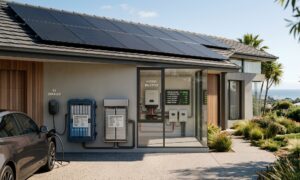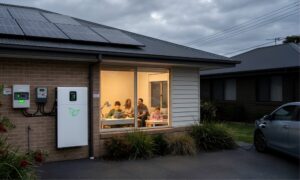





Australia has become a global leader in the transition to renewable energy. The rapid advancement of solar battery technology, at the heart of this change, is driving this shift. Families across the country are moving away from the grid and towards independence. This shift began decades ago with simple, bulky systems. Today, we use smart, high-tech units that power entire homes overnight.
Use Energy Matters’ easy-to-use solar power and battery storage calculator to determine the size of your solar system with storage! Our solar calculator will generate performance information and potential savings. We can send this information to 3 of our pre-vetted and trusted local installers in your area to receive obligation-free solar quotes and take the first step towards true energy independence!

The early days: The lead-acid era
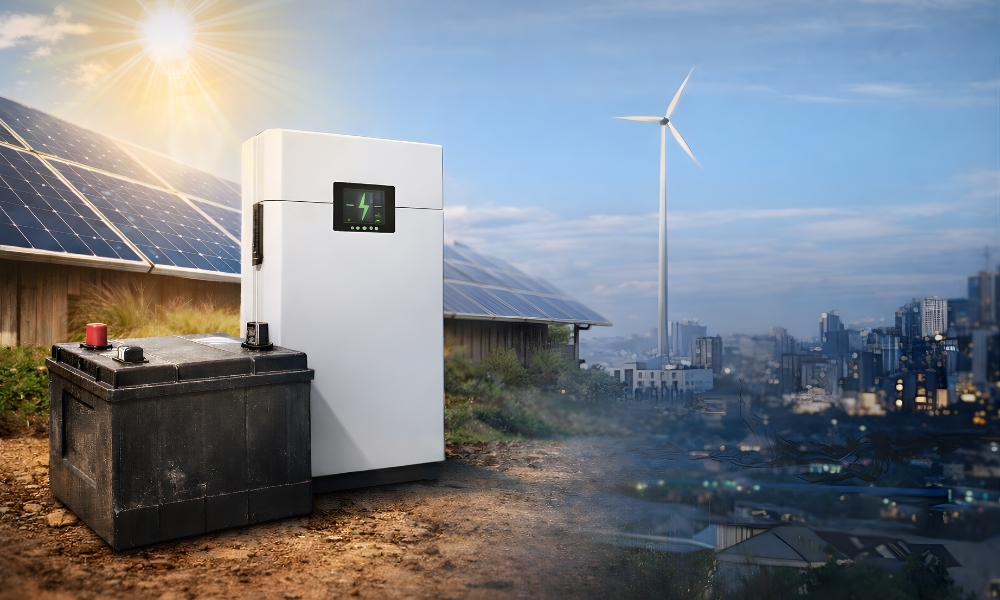
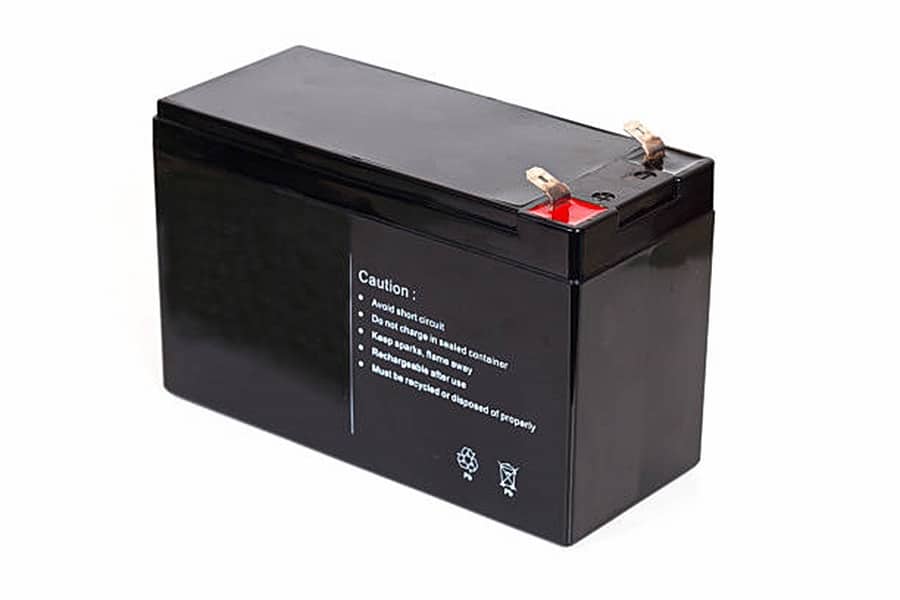
For a long time, lead-acid was the only option for energy storage. These batteries were similar to those found in petrol cars. They were heavy and large, requiring substantial floor space. In the early days of solar battery technology in Australia, they were the standard for off-grid living.
Lead-acid batteries worked, but they had many drawbacks. They were very heavy and contained toxic materials. You could use only about 50% of their capacity before needing a recharge. If you drained them too far, the battery would sustain permanent damage. They also required regular maintenance, such as topping up the water inside.
Despite these flaws, they paved the way for the future. Many remote Australian homesteads still rely on modern “sealed” versions. However, for most urban homes, lead-acid batteries are now considered obsolete. They simply could not keep up with the demands of a modern smart home.
The lithium-ion revolution
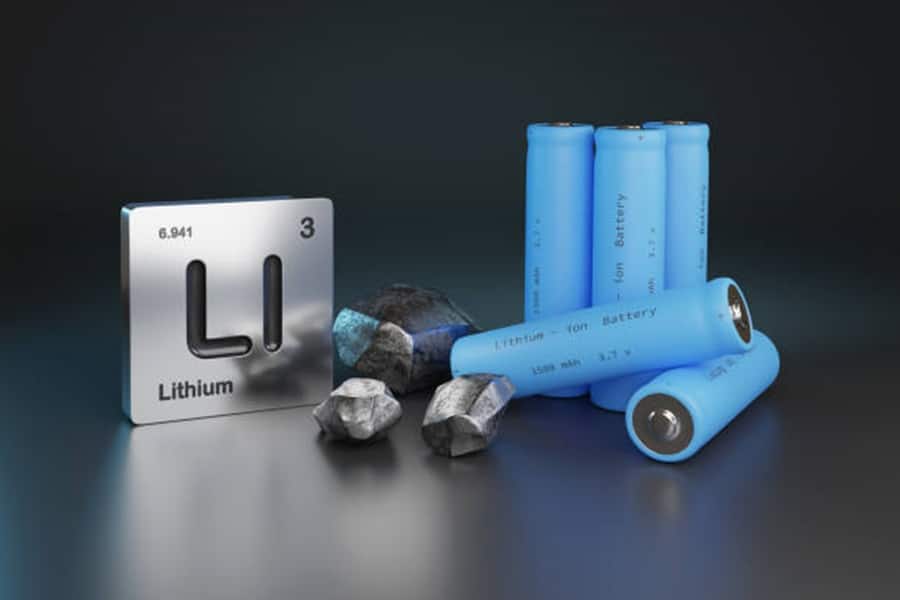
The arrival of lithium-ion changed everything for the Australian market. This solar battery technology offered much higher energy density in Australia. This meant more power could be stored in a much smaller box. It allowed batteries to be mounted on walls rather than sitting on heavy racks.
Lithium-ion systems also boast a much longer lifespan. Most modern units can last for 10 years or more with daily use. Unlike lead-acid, you can discharge them almost completely without causing damage. This depth of discharge (DoD) is a key feature of modern solar battery technology in Australia.
There are two main types of lithium batteries used in Australian homes today.
- Lithium Iron Phosphate (LFP): Known for being very safe and long-lasting.
- Nickel Manganese Cobalt (NMC): Known for being compact and energy-dense.
Most installers now prefer LFP because it performs well in Australian heat. This version of solar battery technology in Australia is less likely to overheat during a summer heatwave. It provides peace of mind for families living in bushfire-prone areas.
Beyond lithium: Sodium-ion batteries, the future of energy storage
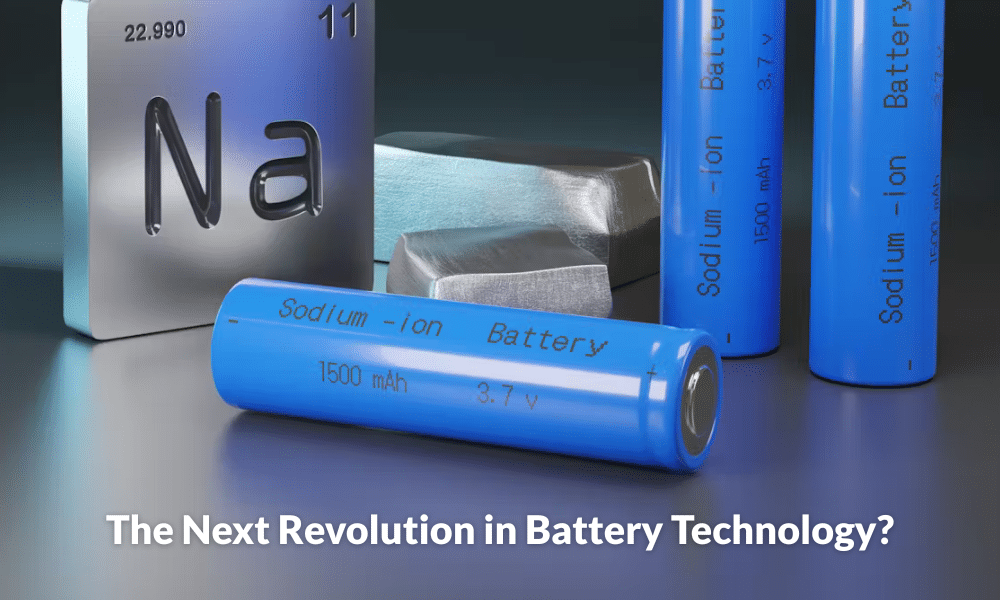
While lithium is king right now, new players are entering the field. The next wave of solar battery technology in Australia includes sodium-ion batteries. Sodium is much cheaper and easier to source than lithium. Given Australia’s abundant salt resources, this could be a local manufacturing win.
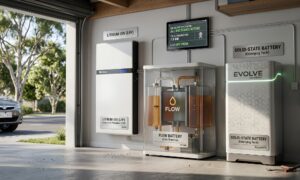
Another exciting development is the “flow battery.” These use liquid tanks to store energy. They are very large, but they do not lose capacity over time. For large properties in Australia, this solar battery technology could provide power for decades. They are also 100% fire-safe because the liquid is not flammable.
Solid-state batteries are also on the horizon. These promise even more energy in a smaller, safer package. Many experts believe this will be the ultimate form of solar battery technology in Australia. They will charge faster and last longer than anything we have today.
Check our blog, Why Sodium-Ion Batteries Are Charging Ahead, for more information.
Comparing solar battery technologies
| Battery Type | Lifespan | Efficiency | Maintenance | Best use case |
| Lead-Acid | 3–5 years | Low | High | Legacy off-grid systems |
| Lithium-Ion | 10–15 years | High | Very low | Modern home solar |
| Sodium-Ion | 8–12 years | Medium | Low | Future low-cost storage |

Virtual Power Plants (VPPs)
The evolution isn’t just about the hardware inside the box. It’s also about how the batteries connect to the world. Modern solar battery technology in Australia allows you to join a Virtual Power Plant. This is a network of home batteries that work together.
When the grid is under stress, the VPP can use a small amount of your stored energy. In return, you receive credits or payments on your bill. This turns your solar battery into a passive-income stream. It helps keep the lights on for everyone in your community.
For more information, visit our VPP offers in Australia page.
Why Australia leads the storage race
Australia has the highest rooftop solar penetration rate in the world. However, solar panels only work when the sun is shining. To address this, demand for solar battery technology in Australia has soared. High electricity prices have made storage a financial necessity for many.
The Australian government has also stepped in to help. New rebate schemes have made these systems more affordable than ever. Programs like the “Cheaper Home Batteries Program” offer thousands of dollars in savings. This has led to a massive surge in the adoption of solar battery technology in Australia in 2025 and 2026.
By storing energy during the day, homes can avoid peak-hour prices. These prices usually peak just as the sun goes down. Having your own solar battery technology means you don’t have to pay those high rates. You become your own power station.
The financial benefits in 2026
In 2026, the financial case for solar battery technology in Australia is stronger than ever. With electricity prices still volatile, self-reliance is the best hedge. Most systems now pay for themselves in 6 to 8 years. After that, the electricity you use is essentially free.
The new Small-scale Technology Certificates (STCs) incentives for batteries have been a game-changer. This has reduced the price of solar battery technology in Australia by thousands of dollars for the average home. There has never been a better time to make the switch. You can protect your family from blackouts while saving money.
Investing in solar battery technology in Australia also increases your home’s value. Buyers are now seeking energy-efficient, independent homes. A high-quality battery system is a major selling point in the modern real estate market.
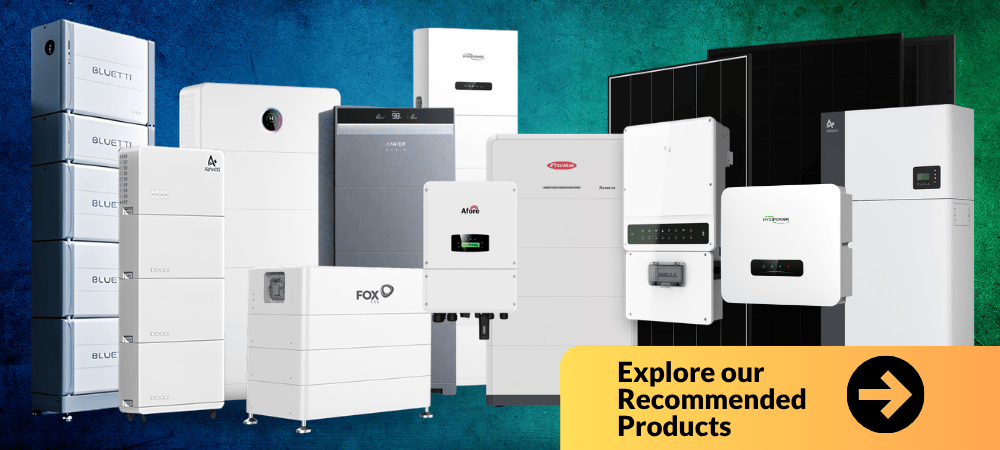
Joining a VPP is a great way to accelerate your return on investment. It makes the high upfront cost of solar battery technology in Australia more manageable. Most modern battery brands now come “VPP-ready” straight out of the box. Check our page for our recommended solar battery products.

How to choose the right technology
Choosing the right solar battery technology in Australia depends on your specific needs. If you have a small home, a compact lithium unit is usually the best option. If you live in a very hot climate, look for LFP chemistry. Always check the warranty and the “cycle life” of the battery.
A higher cycle life means the battery can be charged more times before it wears out. Most top-tier solar battery technologies available in Australia offer at least 6,000 to 10,000 cycles. This ensures that your investment lasts for many years to come. Don’t just look at the price; look at the value over time.
It is also important to choose a brand with local support in Australia. If something goes wrong, you want a team that can help you quickly. The best solar battery technology Australia companies have offices right here in Australia. This makes getting service or warranty repairs much simpler.
The journey from lead-acid to lithium has been incredible. Australia is at the forefront of this global energy revolution. As solar battery technology in Australia continues to evolve, we will see even more benefits. We can look forward to cheaper, safer, and more sustainable power for all.
Take the next step toward energy freedom. Contact Energy Matters for a solar expert consultation on the best solar battery technology for your home!