




Australia, with its abundant sunshine, is a prime candidate for solar energy adoption. While traditional opaque solar panels are a common sight, a revolutionary technology is emerging: transparent solar panels in Australia. These innovative panels offer a unique blend of aesthetic appeal and energy efficiency, seamlessly integrating into modern architecture and urban landscapes.
Energy Matters is at the forefront of this exciting development, guiding Australians towards a cleaner, more sustainable future. Discover how these clear marvels can transform your property and contribute to a greener Australia.

What are transparent solar panels?
Transparent solar panels, also known as see-through solar panels or clear solar cells, are a cutting-edge photovoltaic technology designed to generate electricity while allowing light to pass through. Unlike conventional solar panels that use silicon cells to absorb sunlight, transparent panels utilise different materials and designs. They can harness specific wavelengths of light, often those invisible to the human eye, to produce energy.
This allows for applications where aesthetics and natural light are paramount, opening up new possibilities for solar integration. The technology is still evolving, but its potential impact on urban development and renewable energy solutions is immense.
How do transparent solar panels work?
The operational principles behind transparent solar panels differ significantly from those of opaque solar panels. Instead of blocking light entirely, these panels are engineered to absorb specific parts of the solar spectrum selectively.
- Organic Photovoltaics (OPVs): Many transparent solar technologies rely on organic materials that can be made into thin, flexible films. These materials are tuned to absorb UV and infrared light, leaving visible light to pass through.
- Perovskite solar cells: Another promising technology, perovskite cells can be engineered to achieve high transparency while maintaining high efficiency. Researchers are continually refining these materials.
- Quantum dots: Some transparent panels incorporate semiconductor nanocrystals, or quantum dots. These dots can convert absorbed light into electricity, and their size can be adjusted to absorb specific wavelengths.
Applications and benefits of transparent solar panels in Australia
The potential applications for transparent solar panels in Australia are vast and diverse, offering numerous benefits beyond simple electricity generation.
Architectural integration and aesthetics
One of the most compelling advantages is their seamless integration into building designs. Imagine skyscrapers with power-generating windows or conservatories that produce electricity. This eliminates the need for bulky, rooftop installations, enhancing the visual appeal of structures.
Urban farming and greenhouses
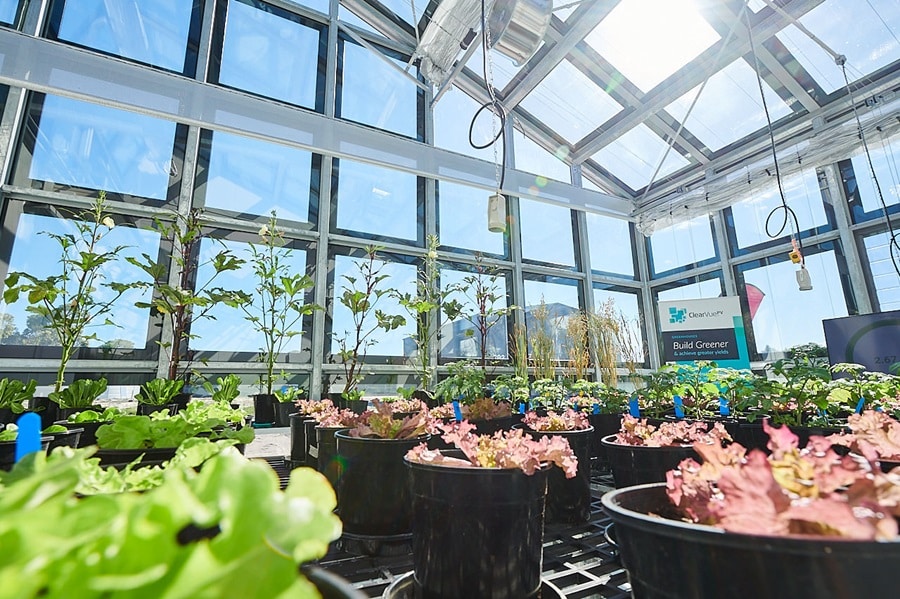
Transparent solar panels can provide shade and generate power for urban farms and greenhouses. They allow sufficient light for plant growth while offsetting energy consumption, creating a more sustainable agricultural model in cities.
Automotive and transportation
The automotive industry could benefit from transparent solar panels on vehicle roofs or windows, extending electric vehicle range or powering auxiliary systems. Public transport, such as buses and trains, could also incorporate this technology.
Consumer electronics
Smaller transparent solar cells could be integrated into portable electronic devices, enabling them to charge passively throughout the day and reducing reliance on power outlets.
Use cases in Australia
Transparent solar panels Australia find natural homes in:
- Glass curtain walls/facades in high-rise commercial buildings
- Skylights and atriums in shopping centres or public institutions
- Balustrade or balcony glass in multi-storey residences
- Solar canopies and public shelters (e.g. bus stops, train platforms)
- Renovations/retrofits where windows or overhead glass can be replaced or enhanced


Benefits summary:
- Aesthetic appeal: Blends seamlessly with architectural designs.
- Dual functionality: Generates electricity while allowing light to pass through.
- Space utilisation: Turns previously unused surfaces into energy producers.
- Reduced carbon footprint: Contributes to a cleaner energy mix. Use Energy Matters’ carbon footprint calculator to calculate your household and business’s direct emissions.
- Versatile applications: Suitable for a wide range of uses from buildings to electronics.
Performance comparison: Transparent vs Traditional solar
| Feature | Traditional solar panels | Transparent solar panels |
| Efficiency | 15–25 % typical | 1–12 % (emerging) |
| Appearance | Opaque, often dark | Clear or semi-clear |
| Suitable surfaces | Roofs, fields | Windows, facades, skylights |
| Cost per watt | Lower (mature scale) | Higher (emerging tech) |
| Integration complexity | Moderate | High (glazing, wiring) |
| Light transmission | None (blocks visible light) | High (allows visible light through) |
| Material | Crystalline silicon | Organic, perovskite, quantum dots |
Why Australia is a prime market
Australia receives abundant sunlight year-round, making solar power especially viable. Transparent solar panels Australia add new surfaces—facades, windows, and skylights—that otherwise sit idle.
Australian researchers are pushing breakthroughs so that two square metres of transparent solar can rival a typical rooftop panel in output.
The building-integrated photovoltaics (BIPV) market in Australia is embracing clear solar glass options for urban environments.
ClearVue, an Australian firm, is developing solar windows that transmit up to 70% of visible light while generating energy.
Challenges and considerations for adoption in Australia
Despite their innovative nature, several challenges must be addressed to enable the widespread adoption of transparent solar panels in Australia.
- Cost: Currently, manufacturing costs for transparent solar panels are higher than those of traditional panels due to specialised materials and complex production processes.
- Efficiency: While improving, their lower efficiency compared to opaque panels means more surface area might be required to generate the same amount of power.
- Durability: Ensuring the longevity and resistance to Australia’s harsh weather conditions (UV exposure, heat, hail) is crucial.
- Installation expertise: New techniques and expertise will be required to integrate these panels into various structures.

Why businesses & homeowners should consider it
Transparent solar panels Australia enable intelligent design, turning windows from passive light portals into energy assets. They offer differentiation for architects, branding for commercial developers, and long-term energy savings for forward-thinking home owners.
In many urban environments, glass surfaces greatly exceed roof area—transparent solar could unlock vast untapped potential.
Taking the next step towards transparent solar
Ready to discover the potential of transparent solar panels for your property or project? For your building or home, don’t let your glass go dark—contact Energy Matters today to explore clear energy solutions that can boost your property’s value, lower your energy bills, and support a sustainable future.
Don’t wait to embrace the future of energy—obtain free quotes from Energy Matters and clear the way for cleaner power!