With summer just around the corner, solar PV systems are selling like hotcakes. It seems the longer, sunnier days of spring are pertinent reminders that we’ll soon be cranking our air conditioners and cooling off in our pools – two extremely energy-intensive features of many homes. Not only does solar compensate for that hefty energy usage but, during summer, solar systems can generate twice the electricity than in the short days of winter. There is one downside though: really hot days can actually reduce solar energy output – sometimes by as much as 20%!
In this article, we’ll explore what causes this reduction in power generation and some simple ways you can combat it.
How does heat affect solar panels?
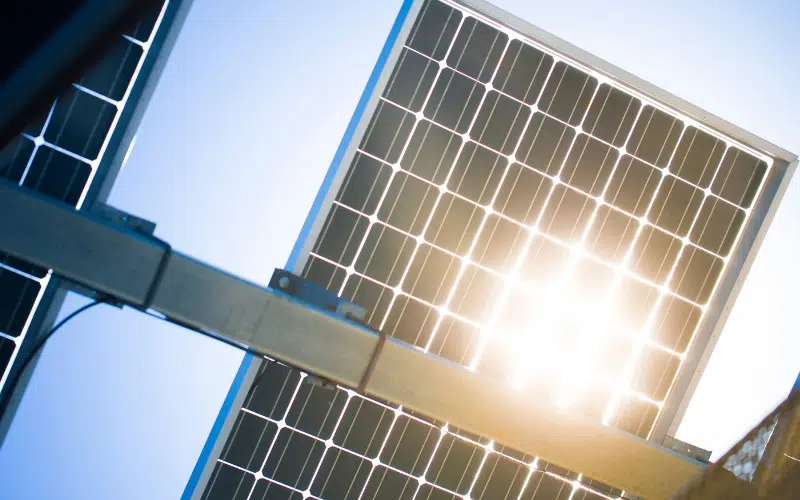
Solar panels, just like your car, appliances, and devices, function best when operating under an optimal temperature. As the temperature goes up, the energy output of a solar panel goes down, reducing its ability to function at full capacity.
Why does this happen?
Solar panels are composed of solar cells made of semiconductor materials that are designed to convert energy from the sun into electricity.
When sunlight passes through this semi-conductive material it creates a charge in each cell by using incoming photons to excite electrons to a higher energy level. This is known as the photovoltaic effect.
As a solar cell gets hotter, the number of electrons that are already in the excited state increases. This reduces the voltage that the panel can generate and lowers its efficiency. This results in less electricity being generated and, ultimately, a reduced power output from your solar system.
Higher temperatures also increase the electrical resistance of the circuits that convert the photovoltaic charge into AC electricity. This means that, as the temperature rises and resistance increases, less power is actually transferred and put to use.

Optimal operating temperature
While it can vary by brand and model, a typical solar panel operates best at around 25 degrees Celsius. In fact, 25 degrees Celsius is the industry standard by which manufacturers rate their PV products. Beyond this temperature, output will begin to decline.
It’s important to note that we are talking about the panel’s temperature – not the air temperature reported by a meteorologist. Your dark solar panels’ temperature will likely be significantly higher than the air temperature – potentially almost twice as high!
As mentioned earlier, there is some variation to the level of power degradation depending on the brand and model of panel. During the manufacturer’s testing phase, each panel will be tested to measure how much power it loses for every degree over 25 degrees Celsius. This is called the temperature coefficient of the maximum output power (Pmax).
You can usually find the temperature coefficient on a panel’s specification sheet, but most solar PV modules sit around 0.3% to 0.5% per degrees Celsius.
To calculate how much power you will lose in certain conditions, times the difference between the current panel temperature and the optimal temperature by the temperature coefficient.
For example, let’s assume that a panel has a temperature coefficient of 0.4% and its temperature is currently 60 degrees Celsius. We can calculate the panel’s power loss using the following simple equation:
0.4% x (60°C -25°C) = 0.4% x 35°C = 14%
You can imagine that on a sweltering summer’s day, you could be losing a significant amount of power.
How can I reduce the impact of high temperatures?
There are a few ways that you can help reduce the effect of heat on your solar panels:
- Install panels a few inches above the roof so convective air-flow can cool the panels.
- Choose a light-coloured panel. Panels that are constructed with light-coloured materials absorb less heat – so while black solar panels look great, they will be less efficient during hot days.
- Move components like inverters and combiners into the shaded area behind the array.
- Select a panel with a lower temperature coefficient.
- Consider adding ventilation systems or fans to assist the movement of air around the panels.
Your best defense against the heat
The most effective approach to getting the most out of your solar system under any conditions is to use the right solar installer. Choosing quality panels and having them installed correctly can make or break the output of your system. As a result, it’s important to choose an installer that is accredited and experienced in best-practice installation methods.
Energy Matters has assisted over 30,000 Australians in their transition to clean energy. We can guide you toward solar and/or battery storage solution that fits your lifestyle and budget. Receive up to 3, obligation-free solar quotes from our trusted network of accredited solar installers. It’s fast, free, and takes the hassle out of shopping around.