



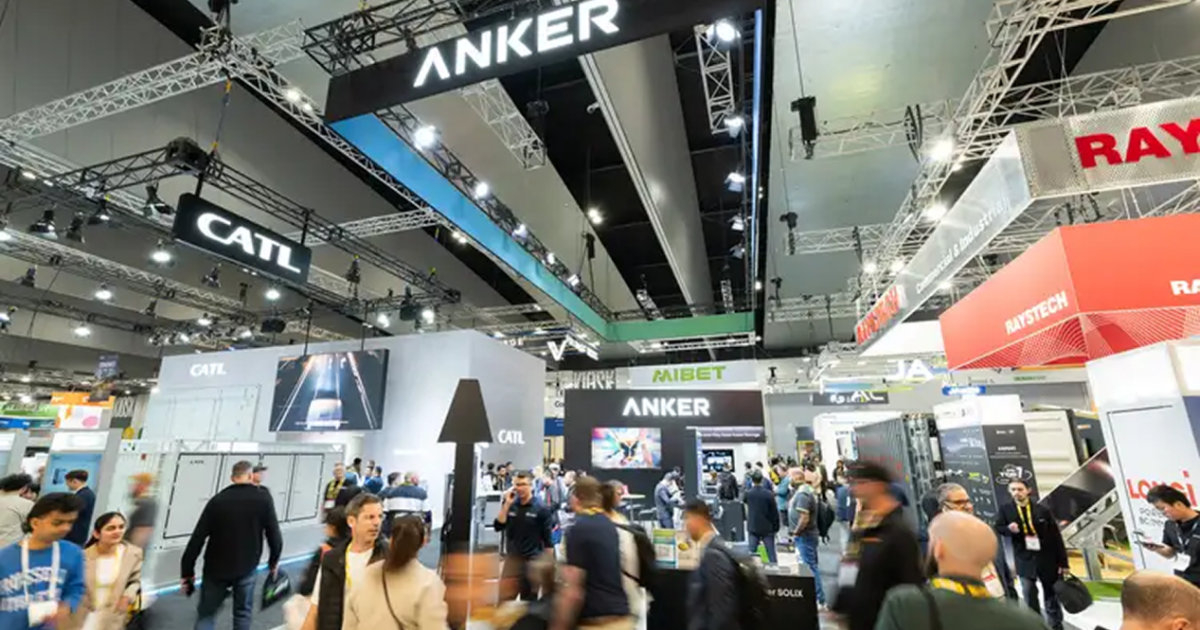
Australia’s home energy storage market is evolving rapidly. With electricity tariffs changing, government incentives encouraging battery adoption, and households seeking greater energy independence, manufacturers are responding with smarter, more flexible technology. At All Energy Australia 2026, held at the Melbourne Convention and Exhibition Centre on 28 and 29 October, Anker SOLIX showcased its expanding energy ecosystem.
Taking centre stage was the new Anker SOLIX XE, an all-in-one home battery and inverter system designed to simplify installation and maximise the benefits of time-of-use electricity tariffs.
The company also showcased its latest balcony solar technology, portable power stations, and electric vehicle charging solutions. Together, these products highlight an increasingly important shift in Australia’s energy market: making energy storage more accessible, intelligent, and adaptable to different households.
Anker SOLIX XE: A smarter approach to home battery storage
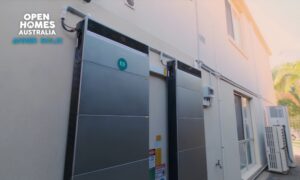
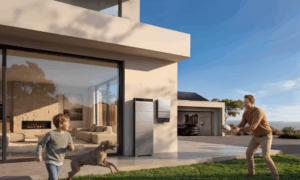
The new Anker SOLIX XE represents a significant addition to the company’s residential energy storage portfolio. Even with 28 kWh of battery storage, the system stands approximately 1.3 metres tall, making it an attractive option for households where installation space is limited.
Its modular architecture allows homeowners to expand their storage capacity as their energy requirements change.
Key features of the Anker SOLIX XE
- Modular battery capacity: Expandable from 7 kWh to 42 kWh per stack.
- Lithium iron phosphate technology: Uses 314 Ah LFP battery cells rated for 10,000 cycles.
- Integrated inverter and battery: Combines essential components into one streamlined system.
- Dual-cycle operation: Designed to charge and discharge twice daily to take advantage of different electricity pricing periods.
- ANKA AI energy management: Automatically manages charging and discharging around electricity tariffs, solar generation, and household consumption.
- Compact design: A 28 kWh configuration stands approximately 1.3 metres tall.
- Whole-home backup: Supported through the Power Dock Mini gateway.
For Australian homeowners, the XE’s most interesting feature may not be its storage capacity, but how intelligently it uses that capacity.
Get FREE Quotes for an Anker SOLIX system
Making the most of free electricity with dual-cycle battery technology
Australia’s electricity market is undergoing an important transformation. The introduction of free midday electricity periods, including the Solar Sharer Offer, is creating new opportunities for households with battery storage.
Rather than relying exclusively on rooftop solar to charge their batteries, eligible households can take advantage of free or discounted grid electricity during designated periods. The Anker SOLIX XE has been designed with this changing market in mind.
Its dual-cycle capability allows the battery to complete two charging and discharging cycles within a day.
For example, a household could:
- Charge its battery during a three-hour free electricity window around midday.
- Discharge stored energy during the more expensive evening peak.
- Recharge overnight using a lower off-peak electricity tariff.
- Use that stored electricity during the morning before solar generation increases.
Anker SOLIX says this approach allows a single 7 kWh battery module to deliver up to 14 kWh of energy throughput daily across two full cycles. Importantly, this does not mean the battery stores 14 kWh at once. Instead, the same storage capacity can be used more than once throughout the day.
Actual energy delivered will depend on battery efficiency, operating limits, and available charging opportunities.
ANKA AI takes the guesswork out of energy management
Managing different electricity tariffs can become complicated, particularly when solar generation and household consumption change throughout the day. Anker SOLIX addresses this through ANKA, its integrated artificial intelligence energy management assistant.
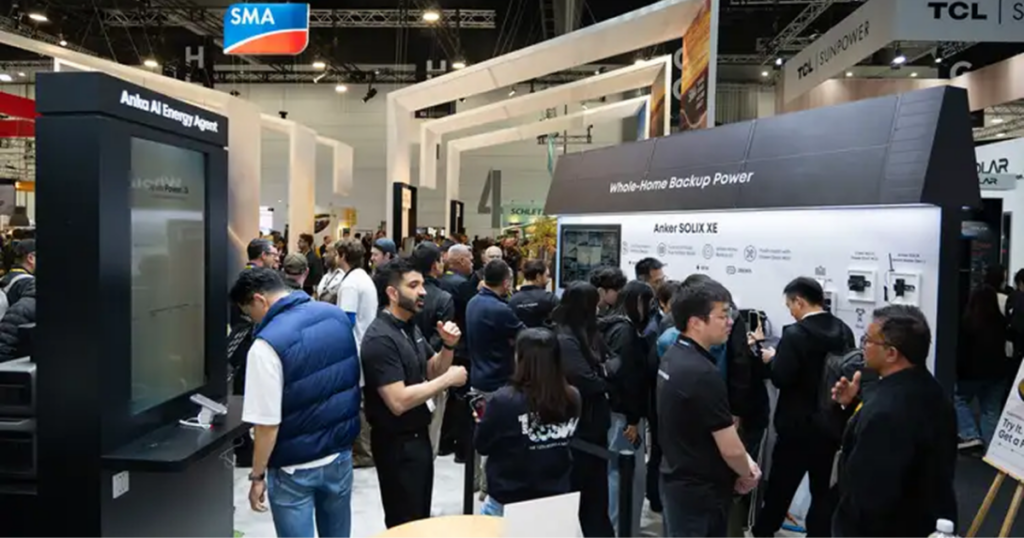
ANKA is designed to monitor electricity pricing, solar production, and household energy consumption to automatically optimise battery operation. For households on time-of-use tariffs, this could help reduce electricity purchases during expensive periods while maximising opportunities to charge at lower rates.
The potential benefits are particularly relevant as Australia’s electricity market moves towards greater flexibility in how, and when, households consume electricity. However, savings will depend on individual electricity plans, consumption patterns, and the cost of charging and discharging the battery.
Faster battery installations with Power Dock Mini
While battery performance often receives the most attention, installation complexity remains an important consideration for Australian solar retailers and installers. Anker SOLIX is addressing this through its Flash Install approach and new Power Dock Mini gateway.
Designed to fit inside an electrical switchboard rather than requiring a separate wall-mounted enclosure, the Power Dock Mini integrates several functions into one compact unit. These include a built-in electricity meter, bypass functionality, and a four-breaker design.
According to Anker SOLIX, this configuration eliminates the need for external current transformer wiring and a separate changeover switch in supported installations. The company says its Flash Install approach could reduce installation times from a full day to just a few hours.
For installers, reducing installation complexity could translate into improved productivity, less equipment clutter, and a more streamlined commissioning process.
The Power Dock Mini also supports the company’s whole-home backup offering, designed to help maintain electricity supply during grid outages.
Actual installation times and backup capabilities will depend on site requirements, system configuration, and applicable Australian electrical standards.
Balcony solar: Bringing renewable energy to renters and apartment residents
Rooftop solar has transformed electricity costs for millions of Australian households. However, not everyone has access to a suitable roof. Renters, apartment residents, and homeowners with complex roof structures can face significant barriers to installing conventional solar systems.
Anker SOLIX is targeting this under-served market with its latest balcony solar and battery storage products.
At All Energy Australia, the company showcased the Solarbank 4 Pro and Solarbank 4 Max AC, designed to offer an alternative to traditional rooftop solar installations. The systems are promoted as compact, plug-and-play solutions that can generate and store electricity without major roof modifications.
For households unable to install a conventional solar system, this technology could eventually provide another pathway to reducing grid electricity consumption.
Could balcony solar take off in Australia?
Balcony solar has attracted considerable interest internationally, particularly in markets where apartment living is common. Australia presents a different opportunity. With a substantial rental population and growing numbers of apartment residents, demand for accessible renewable energy solutions could be significant.
However, there are important considerations before balcony solar can achieve widespread adoption. Australian electrical regulations, product approvals, grid connection requirements, and building rules can affect whether these systems can legally be installed and operated.
Renters and apartment owners may also need permission from landlords, owners corporations, or building managers.
While Anker SOLIX promotes its balcony solar range as plug-and-play technology, Australian consumers should not assume overseas installation arrangements automatically apply locally. Product availability, Australian compliance, and permitted installation methods will be critical to the technology’s future in this market.
If these challenges can be addressed, balcony solar could open renewable energy opportunities to households traditionally excluded from the rooftop solar revolution.
Beyond home batteries: Anker SOLIX expands its energy ecosystem
The XE was not the only product attracting attention at All Energy Australia. Anker SOLIX also presented its broader portfolio of residential energy storage, portable power, and EV charging technology.
Products on display included:
- Anker SOLIX X1: A residential battery storage system designed for home energy management and backup power.
- Anker SOLIX S2000: A portable power station suited to outdoor activities, travel, and temporary electricity needs.
- Anker SOLIX C2000 Gen2: A portable power solution for applications requiring flexible electricity access.
- Solarbank 4 range: Balcony solar and storage technology targeting households with limited rooftop solar options.
- Anker SOLIX Smart EV Charger: Part of the company’s expanding solar, battery storage, and electric vehicle charging ecosystem.
The growing range reflects a broader industry trend towards connected energy solutions. Rather than treating solar panels, batteries, EV chargers, and portable power as separate products, manufacturers are increasingly developing systems that work together.
For consumers, this could mean greater visibility and control over how electricity moves throughout their homes.
For solar retailers and installers, integrated ecosystems may also create opportunities to offer customers more comprehensive electrification solutions.
What does Anker SOLIX’s latest technology mean for Australia?
Australia has become one of the world’s most active residential solar markets, and battery storage is increasingly becoming part of the conversation. However, the value of a home battery is no longer determined by storage capacity alone.
Electricity tariff compatibility, intelligent energy management, installation costs, backup functionality, and future expandability are all becoming important purchasing considerations.
The Anker SOLIX XE addresses several of these priorities through its modular design, integrated hardware, and dual-cycle energy management capabilities. Its ability to respond to free electricity periods is particularly relevant as Australian retailers introduce more flexible electricity plans.
Meanwhile, the company’s investment in balcony solar highlights another emerging opportunity: extending the benefits of renewable energy beyond traditional detached homes.
Ultimately, the next generation of energy storage will not simply be about storing more electricity.
It will be about using electricity more intelligently, reducing unnecessary costs, and giving households greater control over their energy future.