











Uncategorized

Japan’s Renewed Solar Power Push
The world’s second largest economy and fifth biggest emitter of greenhouse gases is making a renewed effort to spark uptake of solar power systems as it scrambles to meet its Kyoto obligations.



The world’s second largest economy and fifth biggest emitter of greenhouse gases is making a renewed effort to spark uptake of solar power systems as it scrambles to meet its Kyoto obligations.

The coal industry has had a tough year and the bad news keeps coming after a massive coal ash sludge spill in central Tennessee, USA occurred earlier this week.
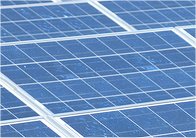
According to analysis of activity in the United States, Europe, China and Israel; venture capital investment in cleantech companies reached AUD$6.74 billion in the first three quarters of 2008; an increase of 82% compared with the same period in 2007.

It’s been a big year for wind power in the USA, with the country passing Germany to become the world leader in wind energy generation
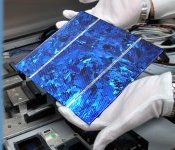
A recent report from the European Union’s Joint Research Center Institute for Energy shows continued massive increases in the annual growth rate of global solar cell production.
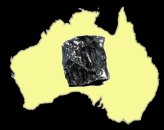
Imagine a peak oil world – which isn’t too far off according to the International Energy Agency. Perhaps we’ll all be driving electric cars by then, recharged via our rooftop solar systems. Or perhaps they’ll be powered by liquid coal fuels.

A new voice for the global renewable industry, The International Renewable Energy Agency (IRENA), will be launched on January 26, 2009 in Bonn, Germany with the goal of removing obstacles that are preventing the sector from achieving its full potential.
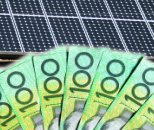
The new solar credits program caught many off guard after the release of the Carbon Reduction White Paper that made no mention of the scheme. The program has been welcomed by many in the Australian solar industry and renewable energy advocates; who have been very concerned with the seeming imbalance of support for the coal industry versus incentives for renewable energy. However, some have expressed misgivings about the impact the solar credits program may have on low income earners as it will erode the benefits currently available under the current rebate arrangements.
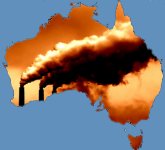
Fallout from the release of the 800 page Carbon Reduction Scheme white paper continues to build, with the Australian government being relentlessly attacked since its release by green groups and others who expressed shock and dismay at the unconditional carbon reduction target of just 5%.

These days, we’re all pretty familiar with various forms of renewable energy such as solar power and wind, but perhaps the rain may hold potential as another alternative energy source.