
With more than 4.3 million rooftops now carrying solar panels, plenty of Australian households generate power they cannot actually see. The right home energy monitor Australia 2026 shoppers choose turns that hidden flow into live numbers, so you know what runs, when, and what it costs. It is also the smartest first step before adding home battery systems to your roof.
This guide compares plug-in meters, whole-home clamps and solar-ready options, with costs, state rules and a simple start-up plan. Ready to put your data to work? Energy Matters connects you with SAA-accredited installers for free quotes.
Quick answer: Choosing a home energy monitor
- A home energy monitor shows your electricity use (and solar output) in real time, typically for $50 to $300 before installation.
- Plug-in monitors suit single appliances, pulse readers like Powerpal suit quick whole-home insight, and clamp-on systems suit solar homes.
- Many households find easy wins within weeks by spotting standby loads and shifting usage into solar hours.
Home energy monitor Australia 2026: What it is and why it matters
A home energy monitor measures how much electricity your household uses, usually in real time, and sends the data to an app or display. Some also track solar generation and grid export. Think of it as a fuel gauge for your switchboard.
Key terminology
- CT clamps: Current Transformer clamps clip around main power cables to measure electrical currents safely without touching exposed wire.
- Real-time monitoring: Data feeds that update every 1 to 5 seconds, capturing instant wattage spikes when appliances kick on.
- Net metering: Calculates power imported from the grid minus solar energy exported to the grid.
Home energy monitor Australia 2026: Why it matters now
Default smart meters provided by energy retailers typically update usage data once every 24 hours via delayed utility portals. Modern real-time energy monitors deliver immediate feedback, enabling families to spot energy-hungry devices instantly. Pairing continuous monitoring with high-efficiency home battery systems ensures your household captures unused rooftop power rather than feeding it back to the grid for minimal feed-in tariffs.
Expert tip: Unmonitored Australian households waste up to 10% to 15% of their annual power budget on standby power. Live monitoring makes invisible power sinks visible, so you can curb waste before the quarterly bill arrives.
How a home energy monitor Australia 2026 setup works
A home energy monitor operates by sensing electromagnetic fields around your incoming mains wires or reading light pulses from your smart meter.
Step-by-step operation
- Sensing current: CT clamps placed inside your switchboard measure the current flow in amperes across active electrical channels.
- Signal processing: The monitor unit converts raw electrical current data into precise voltage, power factor, and kilowatt-hour (kWh) metrics.
- Data transmission: Data streams wirelessly via Wi-Fi, Bluetooth, or cellular connection to a local hub or cloud service.
- App visualisation: The mobile application displays current power demand, historical trends, and estimated running costs in dollars and cents.
Real-world examples
Consider a home in suburban Sydney running a ducted air conditioner. A circuit-level home energy monitor flags a sudden 3,500-watt spike the moment the compressor starts up. Homeowners can adjust thermostatic schedules or align HVAC runtimes with peak solar output, protecting their budget from high peak-rate charges.

Costs and savings of a home energy monitor
Investing in a smart energy monitor in Australia delivers immediate returns by highlighting unnecessary power draw.
Upfront costs
Basic plug-in monitors start around $20 to $40 per unit. Whole-home switchboard systems featuring multiple circuit CT clamps typically range from $150 to $500, plus licensed electrician installation fees where required.
Savings calculation
By catching phantom loads, optimising pool pumps, and aligning appliance cycles with rooftop solar generation, the average Australian home cuts total usage by 10% to 22% annually.
Payback period
| Monitor Type | Average Hardware Cost | Professional Install | Est. Annual Savings | Average Payback |
| Optical Meter Sensor | $0 – $120 | $0 (DIY) | $110 – $220 | 3 – 6 Months |
| Smart Energy Plug Pack | $40 – $100 | $0 (DIY) | $60 – $140 | 6 – 9 Months |
| Multi-Circuit CT System | $250 – $450 | $150 – $300 | $300 – $650 | 8 – 14 Months |
| Solar-Integrated Meter | $300 – $600 | $200 – $350 | $400 – $900 | 9 – 15 Months |
Expert tip: Calculate your base power load at 2:00 AM using your app dashboard. If your home draws over 200W while everyone sleeps, you have baseline drains like old fridges, standby AV gear, or pump timers that need reconfiguring.
State-by-state considerations for Australian homeowners
Energy rules and meter deployments vary across Australian jurisdictions:
- Victoria (VIC): Victoria features 100% smart meter coverage. Victorian residents can access subsidised efficiency initiatives or opt for Bluetooth meter sensors that pair directly with state energy dashboards.
- New South Wales (NSW): Advanced digital meters are rapidly replacing older accumulation meters. NSW homes upgrading to solar setups should select a dedicated solar energy monitor compatible with peak and off-peak time-of-use tariffs.
- Queensland (QLD): High solar density makes real-time solar tracking essential. QLD households benefit from monitors that manage high air-conditioning loads during humid summer afternoons.
- South Australia (SA): SA experiences extreme wholesale price swings. Local homeowners pairing real-time monitoring with an option to join a Virtual Power Plant can maximise battery storage revenue during grid demand spikes.
- Western Australia (WA): WA operates on the South West Interconnected System (SWIS). Residents on Synergy tariffs use monitoring systems to track self-consumption against strict network feed-in limits.
Top home energy monitor options in Australia
Selecting the right device depends on your budget, technical comfort, and whether you own solar panels.
1. Whole-home switchboard monitors (Emporia, Powersensor, Efergy)
Units like the Emporia Vue 3 or Powersensor offer comprehensive whole-home visibility. They clip directly onto main distribution boards to track multi-channel usage, including dedicated circuits like solar systems, EV chargers, and hot water services.
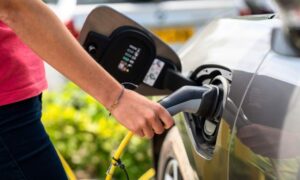
Powering up your EV with solar
If you're thinking of buying an EV, adding an EV charger to your solar system is a smart way to "fuel" your car with clean, renewable energy.
2. Smart energy monitor plug units
An energy monitor plug offers a simple plug-and-play solution. Smart plugs fit between wall outlets and individual appliances like washing machines or gaming PCs. They provide itemised energy usage data, built-in timers, and remote shutoff controls without touching your main electrical panel.
3. Solar smart meter solutions (Fronius, Sungrow, SMA)
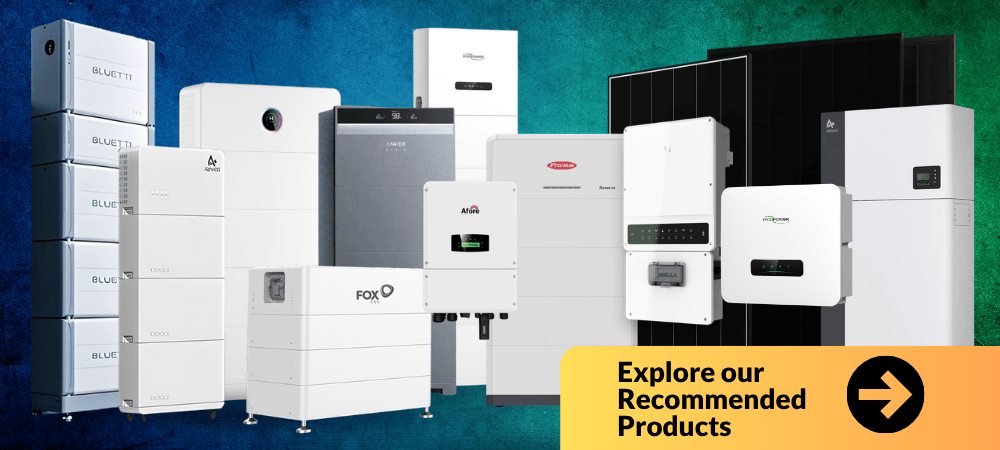
If you have or plan to install solar panels, a dedicated solar smart meter alongside inverters from Fronius, Sungrow, or SMA delivers seamless tracking. These systems record total generation, direct household consumption, and grid exports on a unified dashboard. Check our page for our recommended solar products.
4. Powerpal alternatives for Australian homes
Many residents ask: Is there a replacement for Powerpal for your home? While Powerpal gained widespread popularity through state energy upgrades, popular standalone alternatives include Powersensor, Emerald Electricity Advisors, and Shelly EM modules. These devices offer robust app support without relying on proprietary retail lock-ins.
5. DIY & Home Assistant integrations
Tech-savvy users prefer open-source options like Shelly clamps or ESP32-based power meters integrated into Home Assistant dashboards. These setups allow customised automation, such as switching on hot water systems when rooftop solar output exceeds 2,000 watts.
| Feature / Model | Emporia Vue 3 | Powersensor | Energy Monitor Plug (Kasa/Tapo) | Solar Smart Meter (Fronius/Sungrow) |
| Target Scope | Whole Switchboard | Switchboard & Solar | Individual Appliance | Solar & Grid Export |
| Installation | Electrician Recommended | DIY Outer-Clamp | Plug & Play | Licensed Solar Electrician |
| Solar Tracking | Yes (Bidirectional) | Yes | No | Advanced |
| Data Protocol | Wi-Fi | Wi-Fi / Bluetooth | Wi-Fi | Wi-Fi / Ethernet |
| Best For | Total Household Audit | Solar Owners | Standby Appliance Drains | Integrated Solar & Battery |
How to get started: Step-by-step guide
- Audit your requirements: Determine whether you need individual appliance monitoring, whole-home circuit tracking, or complete solar integration.
- Check your meter compatibility: Verify whether your property uses a digital smart meter, an older accumulation meter, or a three-phase switchboard.
- Choose your hardware category: Select between easy DIY smart plugs, optical meter readers, or professional CT clamp systems.
- Hire an accredited electrician (if required): For internal switchboard mounts, hire an installer to fit CT clamps safely.
- Connect and calibrate: Pair the hardware to your home Wi-Fi, input your electricity retailer's exact kWh tariff rates, and set up alert thresholds.
- Act on the insights: Shift energy-intensive tasks (like dishwasher or dryer cycles) into peak solar-production windows to optimise overall energy efficiency.
Energy Matters recommends switching to energy-efficient appliances now to save money and live more sustainably.
Common mistakes to avoid
- Ignoring solar self-consumption: Installing a basic energy monitor that only tracks total grid power misses valuable solar export data.
- Forgetting single-phase vs. three-phase requirements: Buying a single-phase monitor for a three-phase home leads to inaccurate readings across unmonitored circuits.
- Overlooking standby draw: Focusing only on air conditioners while missing continuous 24/7 drains like secondary drink fridges or legacy set-top boxes.
- Not updating tariff rates: Not entering peak, shoulder, and off-peak electricity rates into the app leads to incorrect bill estimates.
Expert tip: Combine energy monitoring with smart load shifting. Controlling your water heater using a solar hot water system or smart relay during middle-of-the-day solar peaks can save hundreds of dollars each year.

Frequently asked questions
What is the best home energy monitor in Australia for 2026?
The best home energy monitor depends on your setup. For comprehensive multi-circuit tracking, systems like the Emporia Vue 3 lead the market. Solar-focused homes benefit most from integrated inverter smart meters from Fronius or Sungrow, while DIY users prefer plug-in units like Tapo or Kasa.
Is there a direct replacement for Powerpal for your home?
Yes, excellent alternatives to Powerpal include PowerSensor units, Emerald Electricity Advisors, and Shelly EM sensors. These devices mount easily near your meter or main switchboard and provide real-time wattage updates straight to your mobile phone.
Can a home power monitor help reduce my electricity bill?
Yes, energy monitors reliably lower power bills by 10% to 20%. They make invisible electricity usage visible, helping you identify faulty appliances, track phantom standby power, and shift usage to cheaper off-peak hours or peak solar periods.
Do I need an electrician to install a smart energy monitor?
Plug-in socket monitors and external optical meter sensors require zero wiring and are 100% DIY-friendly. However, multi-circuit current transformer (CT) systems that clip onto cables inside your main electrical panel require a licensed electrician.
How do real-time energy monitors track solar power?
Bidirectional energy monitors use separate CT clamps for your main grid connection and your solar inverter output. The software calculates total rooftop generation, home consumption, grid imports, and solar exports simultaneously in real time.
Will a home energy monitor work with EV chargers?
Yes, advanced multi-circuit energy monitors track high-draw EV chargers effortlessly. Monitoring your EV charging ensures you draw power exclusively during off-peak night rates or during peak daytime solar generation. Explore compatible EV chargers to optimise your clean energy drive.
Key takeaways
- Instant visibility: Installing the best home energy monitor in Australia for 2026 gives you real-time visibility over every watt consumed in your property.
- Eliminate waste: Real-time power monitoring uncovers standby power leaks, saving households up to 20% on quarterly utility bills.
- Solar & battery synergy: Pair energy tracking with a federal solar battery rebate to store self-generated green energy efficiently.
- Flexible options: Options range from simple plug-in devices to complete multi-circuit switchboard systems.
- Actionable insights: Use live monitoring data to shift heavy appliance loads into peak daytime solar hours for maximum savings.
Track every watt and take control of your energy
The best home energy monitor in Australia for 2026 depends on your electricity meter, solar system, budget, and monitoring goals.
From simple plug-in electricity usage monitors to advanced whole-home monitoring systems, the right technology can help you understand your consumption and make smarter energy decisions.
If you're considering solar panels, home batteries or improved energy efficiency, start by understanding how your home currently uses electricity.
Ready to make your home more energy-efficient? Explore Energy Matters' solar battery quotes, compare home battery systems or discover practical energy efficiency solutions.
Get free quotes from SAA-accredited installers and take the next step towards a smarter, more energy-efficient Australian home.
Get started with Energy Matters
Find the right energy solution for your home.
- Compare solar and battery options.
- Explore potential electricity savings.
- Connect with experienced, SAA-accredited installers.
Sources & Reference Link
- Australian Renewable Energy Agency (ARENA): https://arena.gov.au/
- Clean Energy Council (CEC) Australia: https://www.cleanenergycouncil.org.au/
- Australian Energy Market Operator (AEMO): https://aemo.com.au/