


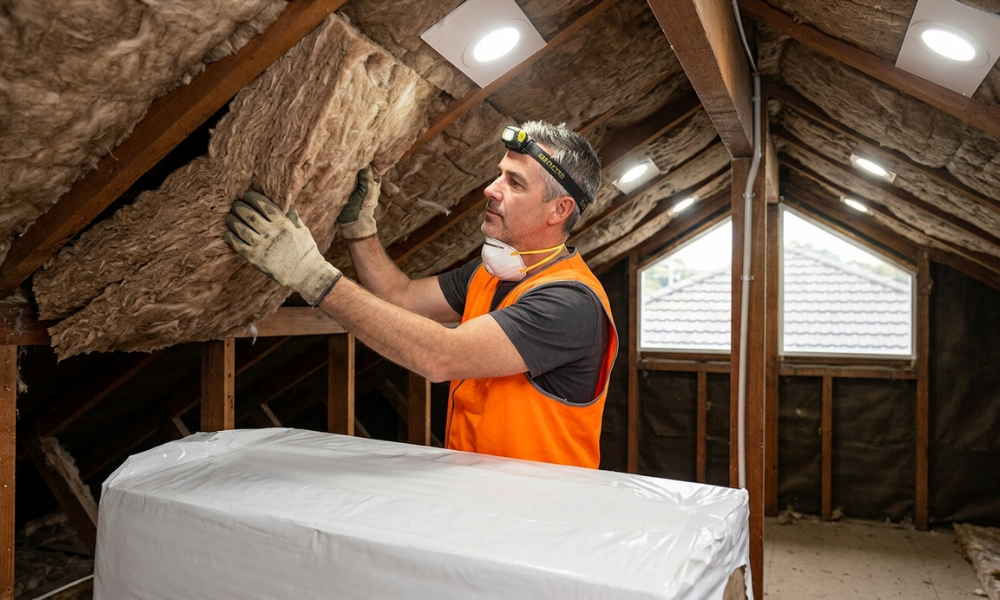
Victoria’s ceiling insulation discount opened to all eligible homes on 1 October 2026. Under the Victorian Energy Upgrades (VEU) program, it can cut the cost of ceiling insulation by up to $1,500 in metropolitan Melbourne and up to $2,100 in regional Victoria. Almost 60% of Victorian homes have little or no ceiling insulation, according to the Victorian Government.
When we looked at how to stack Victoria’s insulation and glazing discounts in April, the discount was only open to public and community housing. The details for private homes are now confirmed. The discount isn’t limited to bare ceilings: homes with existing insulation below R2.0 also qualify.
Here’s what the discount offers now, how to claim it safely, and why it’s worth doing before you size a battery.
Quick summary
- Since 1 October 2026, all eligible Victorian homes can get up to $1,500 off ceiling insulation in Melbourne and up to $2,100 in regional areas.
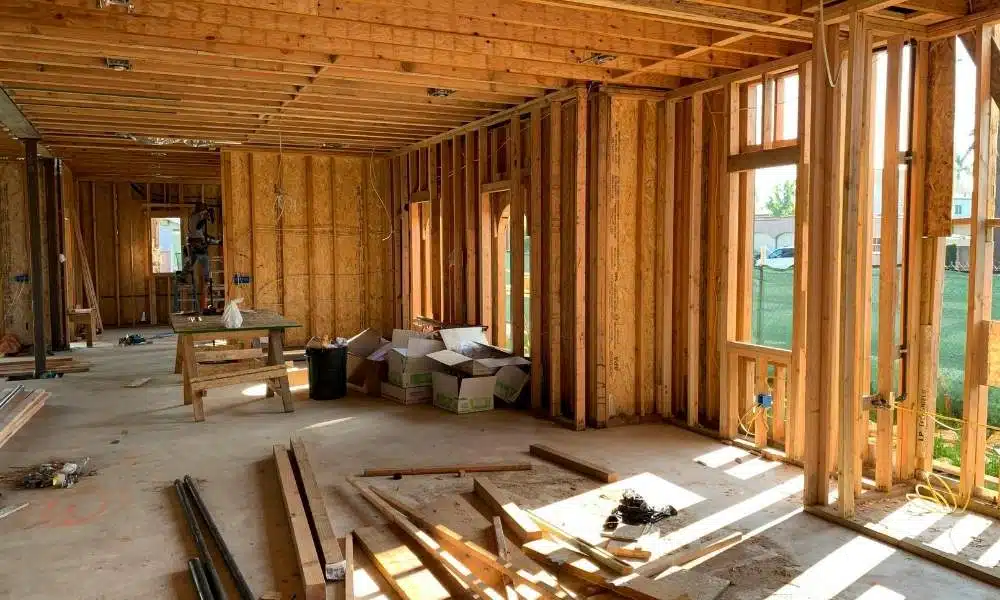
- Homes with no ceiling insulation, or insulation below R2.0, qualify once any electrical hazards are fixed.
- Only accredited providers can apply the discount, and safety assessments are required before work starts.
What the discount offers now it’s open to all homes
The discount is expected to cut the cost of ceiling insulation by around 30 to 50%, and it’s open to any eligible Victorian home with an uninsulated or under-insulated ceiling. The Victorian Government’s program page sets out the details.
| Metropolitan Melbourne | Regional Victoria | |
| Approximate discount for a 150 m² home | Up to $1,500 | Up to $2,100 |
| Climate zone used | Mild | Cold |
| Minimum you pay | $200 (incl. GST) | $200 (incl. GST) |
The final price depends on your home’s size, your location, installation costs and the market price of VEU certificates, which can move.
Who qualifies. Two kinds of ceilings are eligible: those with no insulation at all, and those with existing insulation below R2.0. As a rough guide, that’s insulation about 90 mm thick or less than a standard ceiling joist.
Who doesn’t, yet. Homes with halogen downlights or unsafe wiring in the ceiling aren’t eligible until those hazards are fixed.
Landlords, take note. From 1 March 2027, rental homes must have ceiling insulation rated at least R5.0 in any part of the ceiling with none, at the start of a new lease. The discount can help cover that cost.
Expert tip
If you still have halogen downlights, swap them for LEDs before booking an insulation assessment. You’ll need to fix them to qualify anyway, and LEDs use far less power and run much cooler.
How to claim the discount safely
Only a VEU-accredited provider can apply the discount, and they must take it off your price before any work starts. You don’t apply for it yourself.
Insulation safety has been a national concern since four young installers died during the federal Home Insulation Program in 2009 and 2010, and the VEU rules reflect that. Before installation can begin:
- A licensed electrician must complete an electrical safety assessment. They must be employed by a registered electrical contractor.
- The insulation installer must complete their own safety assessment.
- The installer must be certified by the Energy Efficiency Council. If you’d like to use your own installer, check that they hold this certification and are working with an accredited provider, or you won’t receive the discount.
- The product must be approved. Eligible insulation products are listed on the Essential Services Commission’s public registry.
The safety assessments may be included in your quote or charged separately, so ask before you agree to anything. Accredited providers are being added to the official list gradually, so only a few may be available at first.
Questions to ask before you sign:
- Are you a VEU accredited provider, or working with one?
- Is the installer certified by the Energy Efficiency Council?
- Are the electrical and installer safety assessments included in this price?
- What R-value will be installed, and which approved product will you use?
- What is the discount amount, and is it shown on the quote?
Expert tip
If you have rooftop solar or a battery, tell the provider when you book. The government’s technical guidance for insulation installers covers safely isolating solar and battery systems before work in the ceiling, so they’ll need to plan for it.


Why insulate before you size a battery
We covered why the building envelope should come before solar, batteries and heating in our April guide to stacking Victoria’s insulation and glazing discounts. With the discount now open, the practical question is how insulation affects the systems you’re about to buy.
The industry view
Welcoming the discount, the Energy Savings Industry Association described insulation as “the foundation of household energy efficiency”. (ESIA)
Because batteries, heat pumps and air conditioners are sized to your home’s energy use, insulating first can change what you need to buy. The effect shows up most clearly on winter evenings.
Batteries. In a Victorian winter, solar output is low and heating demand peaks after dark, just when a battery is doing its work. In a poorly insulated home, heating can drain a battery well before bedtime, leaving you buying peak-rate power from the grid. Cutting heat loss through the ceiling means the same battery covers more of the evening, or a smaller battery may cover what you need.
That matters for the federal battery rebate. Under the Cheaper Home Batteries Program, the full rebate applies only to the first 14 kWh of usable capacity, with lower rates above that. Right-sizing your battery to an insulated home helps you get the most from the rebate. See our federal battery rebate guide for how the tiers work.
Heating and cooling. Reverse-cycle air conditioners should be sized to a room’s heating and cooling load. If the load is measured before insulation goes in, you risk paying for a larger system than you’ll need once the ceiling is insulated.
Solar. Insulation doesn’t change how much your panels produce, but it reduces how much you need to draw from the grid when they aren’t producing. That leaves more of your solar to store or export.
Expert tip
Tell your battery or air conditioning installer if you’ve just insulated, or plan to. Ask them to size the system on your expected usage after insulation, not on last winter’s bills.
Make Your Home More Energy-Efficient with Solar and Battery Storage
Planning your next energy upgrade? Compare quotes from trusted installers and find a solar and battery system tailored to your home’s energy needs.
Frequently asked questions
How much is the Victorian ceiling insulation discount?
For an average 150 m² home, the discount is up to about $1,500 in metropolitan Melbourne and up to $2,100 in regional Victoria. The government expects it to cut installation costs by around 30 to 50%. The exact amount depends on your home’s size, location and certificate prices, and you’ll pay at least $200.
Is my home eligible for the insulation discount?
Homes with no ceiling insulation, or with existing insulation below R2.0, are eligible. As a rough guide, R2.0 is about 90 mm thick, or below the top of a standard ceiling joist. Homes with halogen downlights or unsafe wiring must fix those hazards first. Your accredited provider will confirm eligibility.
Should I insulate before installing a battery?
In most cases, yes. Insulation reduces the heating and cooling load, especially on winter evenings when a battery is supplying power. An insulated home can get more from the same battery, or may need a smaller one. Ask your battery installer to size the system on your expected usage after insulation.
How do I claim the ceiling insulation discount?
Contact a VEU accredited provider from the list on the Victorian Government’s energy website. The provider confirms eligibility, arranges the required electrical and installer safety assessments, and applies the discount to your quote before work starts. You don’t need to fill in a claim form yourself.
Do landlords need to install ceiling insulation?
From 1 March 2027, Victorian rental homes must have ceiling insulation rated at least R5.0 in any part of the ceiling with no insulation, at the start of a new lease. Existing insulation doesn’t need to be topped up to R5.0. The VEU discount can help landlords cover the cost.
Key takeaways
- Victoria’s VEU program now discounts ceiling insulation by up to $1,500 in Melbourne and up to $2,100 in regional areas.
- Homes with no insulation or insulation below R2.0 are eligible, once any electrical hazards are fixed.
- Insulating first reduces the load your battery, heat pump or air conditioner has to handle.
- A safety assessment by a licensed electrician and a certified installer is required before work starts.
- Tell your installer if you have solar or a battery, so they can plan to isolate it safely.
Planning your home energy upgrades?
Once your ceiling is insulated, get quotes for solar, batteries or efficient heating sized to your home’s new needs.
Sources
- Victorian Government, Ceiling insulation discounts (updated 2 October 2026)
- Premier of Victoria, Cheaper Insulation To Bring Down Energy Bills (1 October 2026)
- Essential Services Commission, VEU public registry of approved products
- Energy Savings Industry Association, ESIA welcomes insulation inclusion in Victorian Energy Upgrades program (1 April 2026)
- Energy Matters, How to Stack Victoria’s New Insulation and Glazing Discounts (22 April 2026)