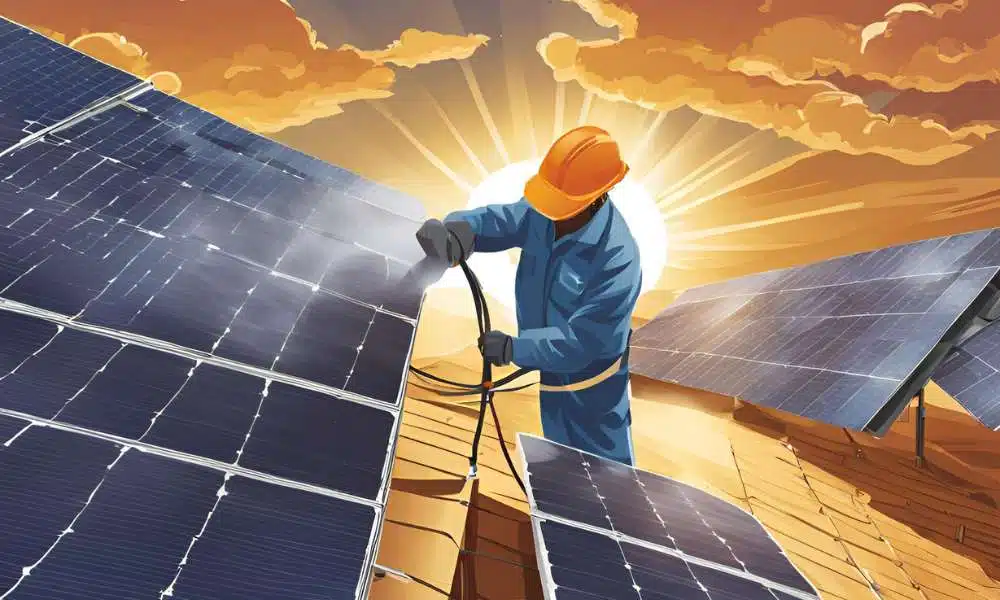
Solar maintenance ensures your system is operating efficiently. It’s not a complicated process, and you can keep an eye on several things to help, such as dirt and debris build-up, loose cables and wires, water leaks, and cracked panels.
Beyond these, your solar system won’t need additional maintenance unless you notice an unexplained change in how your system is performing. Still, regular solar maintenance is important. Fixing solar issues by yourself can be a good idea, but there are times when going pro may be the best choice.
DIY vs. professional solar maintenance
Solar panel maintenance seems like a straightforward task, which leads to the ongoing debate between DIY and hiring a professional. Let’s look into each’s pros and cons:
DIY solar panel maintenance

Pros
- Cost-effective: The DIY route is cost-effective in a way that you don’t need to hire someone to do it for you.
- Convenient: It lets you clean and maintain your panels at a time that is convenient to you without relying on external schedules. This is beneficial for those with busy lifestyles.
Cons:
- Risk of damage: DIY carries the risk of damaging solar panels or voiding warranties because, without the proper knowledge, the use of incorrect methods can lead to scratches, cracks, or other issues.
- Requires time: DIY solar maintenance is convenient because you can work at a time that is convenient for you. However, it requires time and effort, which vary based on the size of the location of the panels. Nevertheless, it’s a significant commitment.
Hiring solar panel maintenance professionals
Pros:
- Expertise: Hiring pros guarantee that they have the skills and knowledge to deal with the intricacies of solar systems. They implement cleaning techniques that can maximise efficiency.
- Time saver: Professionals can thoroughly clean solar panels but quicker, which will let you focus on other things.
- Safety guarantee: Professionals use proper equipment and protocols for a secure cleaning process to minimise the risk of damage or accidents to the panels and surrounding areas.
- Warranty preservation: Regular and professional cleaning can help with the validity of the warranty of your solar panels. Often, manufacturers would require proof of maintenance to honour warranty claims.
Cons:
- Cost: Hiring professional cleaning services means you have to pay more compared to DIY methods.
- Scheduling: Coordinating appointments with professional cleaners can be a hassle, especially if you’re a busy homeowner.
Is solar insurance worth it?
Typically, your home’s solar panels will be covered as part of your home insurance by your home and contents insurance policy. However, you need to contact your insurance company to increase the building sum insured. Keep in mind that your solar panels will be covered under the “Home” section.
However, there are some cases when the panels and/or the battery system will not be covered as a permanent fixture. This means it might be covered by insurance under the “contents” section of your policy.
Your solar insurance will cover anything that happens to your solar system in the event of natural disaster events as well as theft, vandalism, and public liability. However, some insurers can cover additional electricity expenses incurred while waiting to repair or replace your panels or battery during an event covered by your policy.
One thing to remember is that there is a chance that you may be denied solar insurance where an insurer sees you as a significant risk or if the circumstance doesn’t fit well into the typical insurance category.
So the question of whether solar insurance is worth it is generally, yes. Still, it is up to you if you can shoulder the extra insurance costs.
[metaslider id=”138351″]
Advanced solar panel troubleshooting
The climate here in Australia sure does bring specific challenges for your solar panels. Some of them are:
- Shading
- Hotspots
- Soiling
- Electrical faults
So, how do you troubleshoot these? Some minor issues can be resolved by homeowners, but it’s important to always prioritise safety. This involves wearing the right protective gear when inspecting your solar system.
Here are some advanced troubleshooting tips:
- Visual inspection: If you can, check for visible damage, dirt, or obstructions on your solar panels regularly.
- Performance monitoring: Take advantage of a solar monitoring system to identify underperforming panels or sudden drops in energy production.
- Check connections: Make sure all electrical connections are secure and free of corrosion.
- Monitor inverter performance: Look for error codes or unusual noises.
Solar inverters and battery maintenance

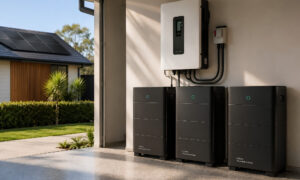
Your solar panels are the heart of your system, but the inverters and batteries are also vital components that require attention. An inverter that doesn’t work properly can impact your system’s energy product. If you have a solar battery, its efficiency can also affect the overall performance of your solar system.
Common issues with inverters are overheating, communication errors, and power output problems. On the other hand, batteries may experience reduced capacity, charging issues, and premature aging.
Similar to your solar panels, you can inspect these components regularly by checking for signs of wear, overheating, or unusual noises. Another thing you can do is to ensure they have proper ventilation to prevent them from overheating.
Your inverter will also require software updates for optimal performance while for your battery, make sure you follow the manufacturer’s recommendations for charging, discharging, and storage. You also be mindful of temperature control with your solar battery by maintaining an optimal temperature range.
Solar power monitoring systems are worth considering
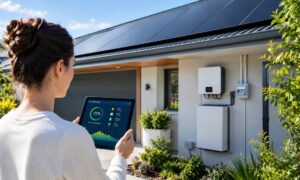
A solar panel monitoring system provides valuable insights into your system’s performance. You can use this information to optimise energy production and identify potential issues before they worsen.
This device shows common metrics, such as daily, monthly and yearly energy production. It also shows system efficiency, performance ratios, inverter status, and power consumption.
When choosing a monitoring system, make sure that it’s compatible with your inverter and solar panels. You also need to ensure that it’s easy to use with data granularity and reporting options.
Investing time and effort into your solar panel maintenance secures your investment. Take proactive steps to care for your system so you can get its full potential and enjoy the benefits of clean, renewable energy.
Energy Matters has been in the solar industry since 2005 and has helped over 40,000 Australian households in their journey to energy independence.
Complete our quick Solar Quote Quiz to receive up to 3 FREE solar quotes from trusted local installers – it’ll only take you a few minutes and is completely obligation-free.