





Updated in August 2026
Your solar inverter is the brain of your rooftop system — it converts the DC electricity your panels produce into the AC power your home uses, manages battery charging, and keeps your system compliant with the grid. Choosing the right inverter in 2026 matters more than ever, because Australia’s grid rules, efficiency benchmarks, and battery-ready standards have all moved forward. This guide ranks the best solar inverters for 2026, compares real efficiency and warranty data, and helps you match the right inverter to your home, budget, and system size.
On this page
Key Takeaways
- The best solar inverter for you depends on system size, roof layout, budget, and whether you plan to add a battery — there is no single “best” for every home.
- Leading 2026 brands for Australian homes include Fronius, SolarEdge, SMA, Enphase, and Sungrow, each with published efficiency ratings above 97%.
- As at 30 June 2026, the Clean Energy Council listed 3,900 approved inverters on its approved products list.
- The updated inverter standard AS/NZS 4777.2:2020 Amd 2:2024 took effect on 23 August 2025, and non-compliant models have been removed from the CEC approved list.
- Hybrid (battery-ready) inverters are increasingly the default choice as more households plan for storage.
- Strong AEO and GEO optimisation — clear answers, comparison tables, and FAQs — also improves clicks by helping your listing win featured snippets and AI-generated answers.
Are you looking to save money on your electricity bills and reduce your carbon footprint? Solar energy is the perfect solution! Energy Matters can help you get up to 3 FREE solar quotes from pre-qualified and vetted solar firms in your area.
Energy Matters has been a leader in the renewable energy industry since 2005 and has helped over 40,000 Australian households in their journey to energy independence. With Energy Matters, you can be sure you’re getting the best possible deal on solar energy. We only work with reputable solar firms with a proven track record of delivering high-quality solar systems.
What Is a Solar Inverter and Why Does It Matter?
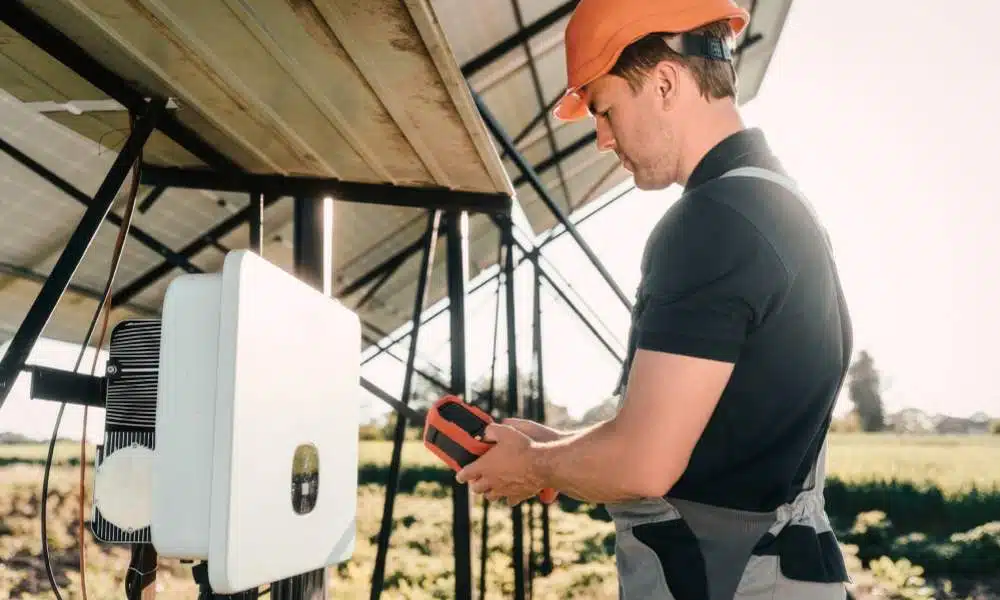
A solar inverter converts the direct current (DC) electricity generated by your solar panels into alternating current (AC) that powers your home and feeds back to the grid. It’s the single most active electronic component in your system, working every daylight hour, which is why it’s typically the first part to need replacement. A quality inverter also monitors performance, manages safety shutdowns, and — in hybrid models — controls how your battery charges and discharges. Because it runs constantly, inverter efficiency and warranty are two of the most important factors in your long-term return on investment.
Types of Solar Inverters Explained
The four main types of solar inverters are string inverters, microinverters, hybrid inverters, and power optimisers, each suited to different roof layouts and household needs.
- String inverters connect a series (“string”) of panels to a single central unit. They’re the most cost-effective option and ideal for unshaded roofs with a simple layout.
- Microinverters attach to each individual panel, maximising output where shading or multiple roof orientations are involved. They cost more but offer panel-level monitoring.
- Hybrid inverters combine solar conversion with battery management in one unit — the smart choice if you plan to add storage now or later.
- Power optimisers pair with a string inverter to deliver panel-level optimisation without full microinverter cost.
For a deeper breakdown, see our guide comparing solar inverters and our complete guide to microinverters in 2026.
At a Glance: Best Solar Inverters 2026
For Australian homes in 2026, Fronius is the best all-rounder, Enphase leads for shaded or complex roofs, SolarEdge is best for battery expansion, SMA is a premium string option, and Sungrow offers the best value.
|
Category |
Top Pick |
Why |
|
Best overall |
Fronius Symo GEN24 |
High efficiency, strong warranty, trusted in AU |
|
Best for shading/complex roofs |
Enphase IQ8 |
Panel-level microinverter performance |
|
Best for batteries |
SolarEdge Home Hub |
Connect up to three batteries per inverter |
|
Best premium string |
SMA Sunny Boy Smart Energy |
German engineering, long warranty options |
|
Best value |
Sungrow SG RS series |
Reliable, high efficiency, competitive price |



Best Solar Inverter Brands for 2026 (Ranked)
Below are the top solar inverter brands for Australian homes in 2026, ranked with official efficiency, warranty, and feature data from each manufacturer.
1. Fronius — Best Overall
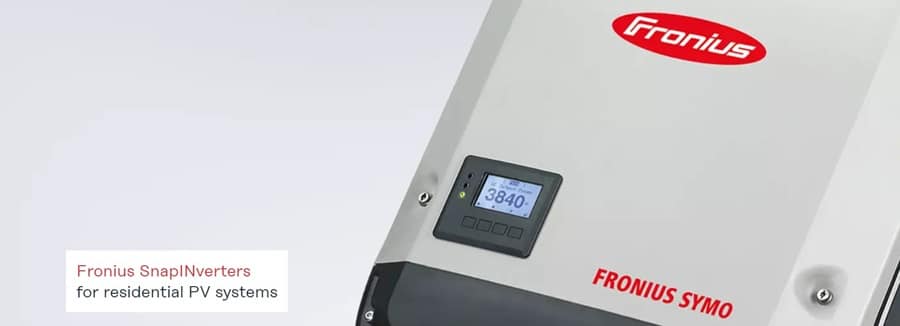
Fronius is a long-standing favourite among Australian installers thanks to its Austrian engineering, active cooling, and strong local support. Fronius lists the Symo GEN24 3.0 with 98.1% maximum PV-to-grid efficiency and AS/NZS 4777.2 compliance, per the Fronius product page. Fronius says inverters under 50 kW can receive 10 years of free warranty cover after registration, with a paid extension available up to 15 years, according to its warranty terms. Best for: homeowners who want proven reliability and a battery-ready hybrid option.
2. Enphase — Best for Shading and Complex Roofs
Enphase microinverters shine on roofs with shading, dormers, or multiple orientations because each panel operates independently. Enphase’s Australia IQ8MC microinverter datasheet lists 97.5% maximum inverter efficiency, 96.7% European weighted efficiency, and a 25-year limited warranty when an internet-connected IQ Gateway is installed, per the Enphase datasheet. Best for: complex or partially shaded roofs where maximising every panel matters.

3. SolarEdge — Best for Battery Expansion
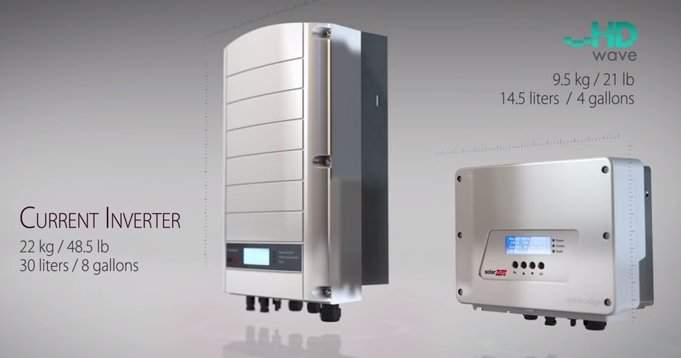
SolarEdge combines power optimisers with a central inverter and is built with storage in mind. SolarEdge Australia says its Home Hub Universal Inverter offers 99% efficiency, a standard 12-year warranty extendable to 25 years, up to 300% DC oversizing, and the ability to connect up to three SolarEdge Home Batteries per inverter, per the SolarEdge product page. Best for: households planning significant battery capacity or future expansion.
4. SMA — Best Premium String Inverter
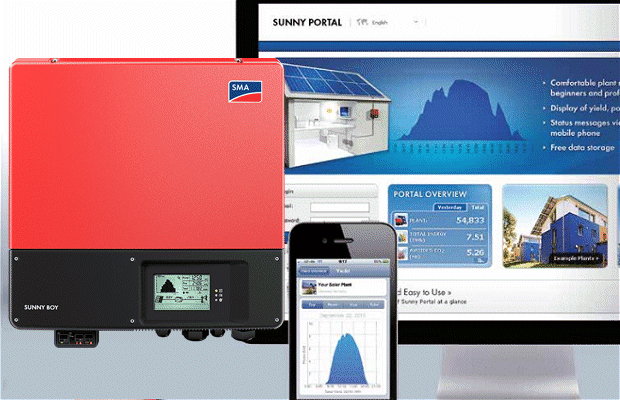
SMA’s German-made Sunny Boy range has a reputation for durability and consistent output. SMA’s Sunny Boy Smart Energy range lists maximum efficiency up to 98.0% and European efficiency up to 97.5%, with warranty options of 5/10/15/20 years; the 10-year option requires device registration within 12 months, per the SMA datasheet. Best for: buyers who prioritise premium build quality and flexible warranty terms.
5. Sungrow — Best Value
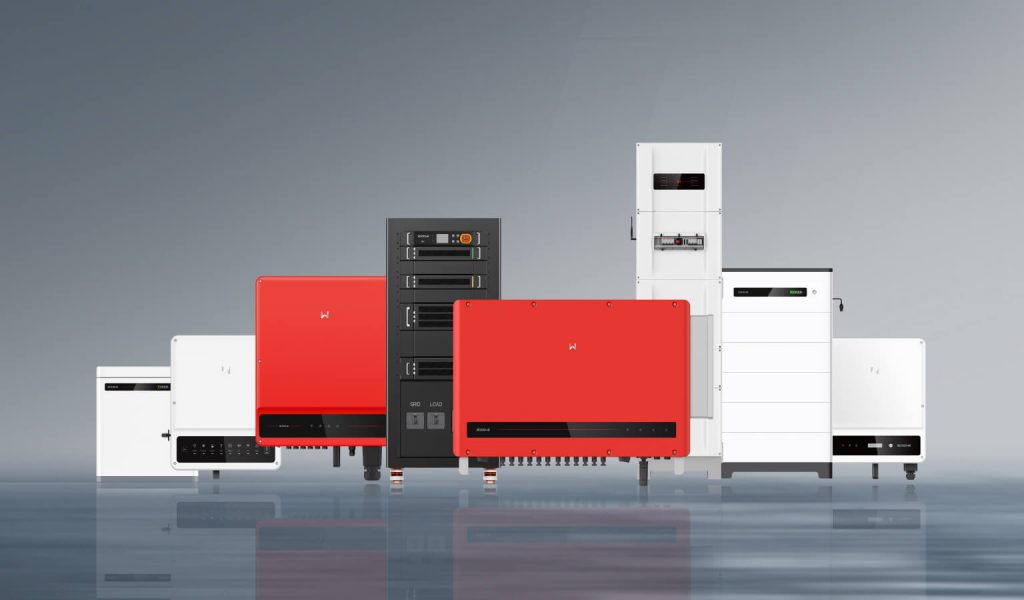
Sungrow has grown rapidly in Australia by pairing strong specifications with competitive pricing. Sungrow’s Australian SG5.0RS-ADA / SG8.0RS / SG10RS datasheet lists a maximum efficiency of 97.8% and compliance with AS/NZS 4777.2:2020, per the Sungrow datasheet. Sungrow’s Australia warranty page lists its PV inverter coverage as a 10-year premium warranty, per its warranty terms page. Best for: value-focused buyers who still want high efficiency and solid coverage.
How We Chose: Our Selection Criteria
We ranked inverters using five criteria: CEC approval and Australian grid compliance, published efficiency, warranty length, battery and VPP readiness, and value for money.
- Compliance: Only models on the Clean Energy Council approved products list and compliant with AS/NZS 4777.2:2020 Amd 2:2024.
- Efficiency: We favour inverters with published maximum efficiency above 97%.
- Warranty: Longer standard warranties and clear extension paths score higher.
- Battery/VPP readiness: Hybrid capability and VPP compatibility are increasingly essential.
- Value: Price relative to features, backed by strong Australian installer support.
Australian Compliance and Standards in 2026
Australian inverter rules changed significantly in 2025–2026, so choosing a compliant, future-ready model is now critical. The Clean Energy Council says CSIP-AUS v1.2, via SA TS 5573:2025, is expected to become mandatory in some Australian jurisdictions from July 2026, per the CEC apply page. In January 2026, the Clean Energy Council brought forward the expiry dates for several approved inverters to 31 December 2027 as part of the transition to new product specifications for batteries, per the CEC inverters page. These updates follow the standards change that took effect on 23 August 2025, detailed on the CEC standards page.
Because your inverter now determines grid compliance more than your panels, review our explainer on why your inverter now matters more than your panels, and check whether your setup is VPP-ready with a smart inverter.
How to Choose the Right Inverter Size
To size a solar inverter, match its capacity to your panel array (typically within a 100–133% DC-to-AC ratio) and factor in future battery or EV charging needs. A 6.6kW panel array commonly pairs with a 5kW inverter, using the allowable oversizing to capture more energy in low-light conditions. If you’re planning a battery, an EV charger, or a home extension, size up or choose a hybrid model with headroom. For larger or three-phase homes, see our guide on three-phase solar inverters.
How AEO and GEO Improve Both Visibility and Clicks
Answer Engine Optimisation (AEO) and Generative Engine Optimisation (GEO) structure your content so search engines and AI assistants can extract clear answers — which improves both citations and click-through rates. When your page provides a direct answer, a scannable comparison table, and well-formed FAQs, it becomes easier for Google AI Overviews and AI assistants to surface it. That visibility drives more qualified clicks, because users who see your brand cited as the source are more likely to visit. In short, optimising for AI answers and optimising for clicks are two sides of the same strategy.
Conclusion
The best solar inverter in 2026 is the one that matches your roof, budget, and battery plans while meeting Australia’s latest grid standards. Fronius leads as an all-rounder, Enphase excels on complex roofs, SolarEdge suits battery expansion, SMA offers premium reliability, and Sungrow delivers the best value. Whatever you choose, confirm the model is CEC-approved and compliant with the current AS/NZS 4777.2 standard. Ready to compare quotes from local, accredited installers? Contact us to get started.
Frequently Asked Questions
What is the best solar inverter for Australian homes in 2026?
There’s no single best inverter for everyone. Fronius is the strongest all-rounder, but the right choice depends on your roof, budget, and whether you’re adding a battery. Enphase suits shaded roofs, SolarEdge suits battery expansion, and Sungrow offers the best value.
How long do solar inverters last?
Most quality solar inverters last 10–15 years, often outliving their base warranty. Premium brands like Fronius, SMA, and Enphase offer warranties or extensions of 15–25 years, which is a key indicator of expected lifespan.
Are hybrid inverters worth it in 2026?
Yes — if you plan to add a battery now or in the next few years, a hybrid inverter avoids the cost of replacing a standard inverter later. With Australia’s push toward storage and VPPs, hybrid models are increasingly the default recommendation.
What inverter size do I need for a 6.6kW solar system?
A 6.6kW panel array is most commonly paired with a 5kW inverter, using the allowable DC oversizing (up to about 133%) to boost generation in low-light conditions. Confirm sizing with your installer based on your consumption and future plans.
Do all inverters meet Australia's 2026 grid rules?
No. Only models on the Clean Energy Council -approved products list and compliant with AS/NZS 4777.2:2020 Amd 2:2024 can be legally installed. Non-compliant models have been removed from the approved list, so always verify current approval before buying.
Contact us for professional guidance on solar inverters and a price estimate for a home or business’ high-quality solar panel installation.
Energy Matters has been a leader in the renewable energy industry since 2005. We can connect you with our trusted local solar installers, who will provide up to 3 FREE solar quotes for your home and business solar energy system.