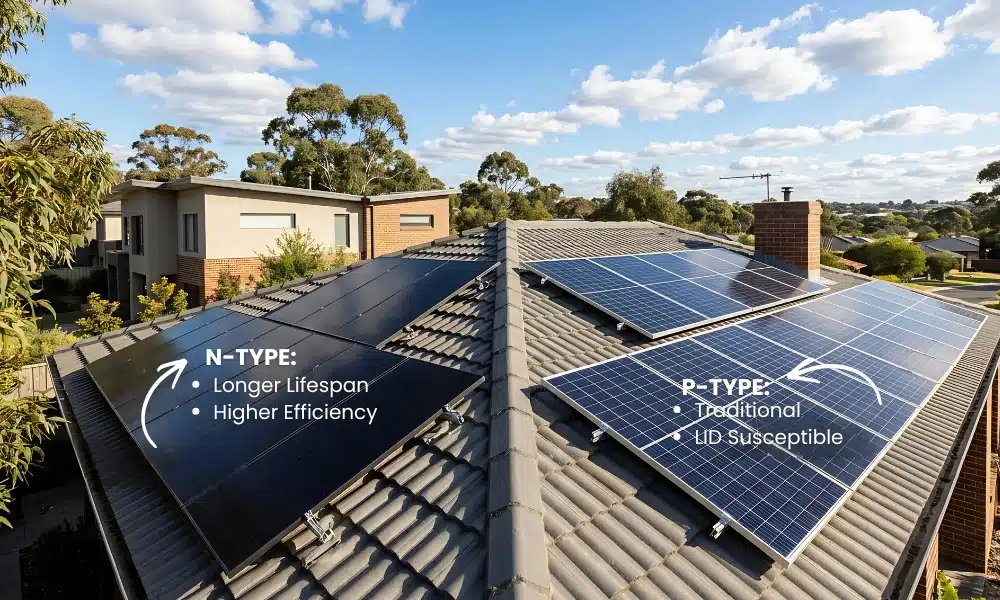





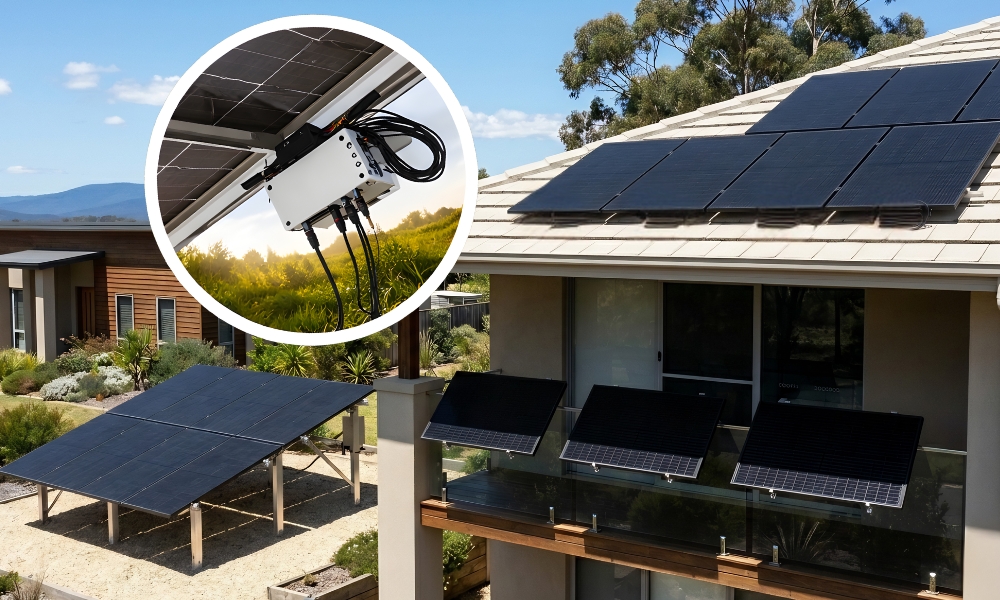
Solar technology is moving fast. Bifacial solar panels — along with balcony solar panels and micro inverter solar systems — that Australian homeowners are now choosing are no longer niche products. They are practical, proven options that suit a growing range of properties and budgets. This guide breaks down how each technology works, who it suits best, and what to look for before you buy.
What are bifacial solar panels?
Standard solar panels capture sunlight only on one side. Bifacial solar panels capture light from both sides — the front and the rear. The rear side absorbs reflected light from the ground or nearby surfaces, which can noticeably increase energy output.
In Australia, bifacial solar panels are gaining ground fast. A white gravel base, a light-coloured roof, or an open ground-mounted setup can reflect enough light to boost rear-side generation by 10–30%, depending on conditions. That makes them a smart choice if you want maximum output from a smaller footprint.
How bifacial solar panels work
Most bifacial solar panels use monocrystalline PERC or TOPCon cells. The cells sit between two layers of glass instead of the standard glass-and-backsheet construction. This lets sunlight pass through and get captured from below.
The extra output depends on what is behind the panel. Light-coloured or reflective surfaces work best. Dark soil or asphalt significantly reduces the rear-side benefit.



Best applications for bifacial solar panels in Australia
- Ground-mounted solar panels on open, reflective terrain
- Carports and pergolas with light-coloured flooring underneath
- Elevated rooftop solar panel systems with space for air and light circulation
- Commercial and industrial installations where maximum yield per panel matters
Ground-mounted solar panels are one of the most common setups for bifacial technology. Because the panels sit above the ground on racking structures, both faces get consistent light exposure, which is ideal for bifacial performance.
Pros and cons of bifacial solar panels
- Higher energy yield: 10–30% more output in ideal conditions
- Durability: Dual-glass construction is more resistant to weather and degradation
- Longer lifespan: Less potential-induced degradation (PID) than standard panels
- Higher upfront cost: Generally 10–20% more expensive than monofacial panels
- Installation requirements: Need specific mounting and surface conditions to maximise rear gain
Balcony solar panels in Australia: Solar for renters and apartments
Not everyone can install a full rooftop system. Balcony solar panels in Australia are designed for people in apartments, units, and townhouses who want to cut their electricity bills without needing roof access or strata approval for a full installation.
These are plug-in solar systems, sometimes called micro solar systems or balcony power stations. You hang or mount the panels on a balcony railing or wall, plug the micro inverter into a standard power point, and start generating electricity immediately.
How balcony solar works
A typical balcony solar setup includes one or two panels (usually 200–400W each) and a plug-in micro inverter. The inverter converts DC power from the panels to AC power, which feeds directly into your home’s electrical circuit. Any appliances running at the same time draw from that solar generation first, reducing what you pull from the grid.
Because output is small — usually 400–800W — these systems do not eliminate your power bill. But for renters or apartment dwellers, they are one of the few solar options available right now.
Is it legal to use balcony solar panels in Australia?
Rules vary by state and by building. In many cases, plug-in balcony solar systems sit below the threshold that triggers an electrician or network approval requirement. However, you should always check with your strata body, body corporate, or local network distributor before installing. Some states are developing clearer guidelines as demand grows.
Who should consider balcony solar?
- Renters who want to reduce electricity costs without a permanent installation
- Apartment owners in buildings where rooftop solar is not an option
- Homeowners wanting a low-cost trial before committing to a full system
- Those with limited roof space who want to supplement an existing system

Micro inverter solar: How it works and why it matters
In a standard solar system, all panels connect to one string inverter. If one panel is shaded or underperforming, it drags down the output of the entire string. Micro inverter solar fixes that problem by giving each panel its own small inverter.
A micro inverter solar system converts DC power to AC power at the panel level. Each panel operates independently. If one panel sits in shade or gets dirty, the others keep producing at full capacity.
Benefits of micro inverter solar panels
- Panel-level performance monitoring via app or web dashboard
- No single point of failure — one fault does not shut down the whole system
- Better performance on complex roofs with multiple orientations or partial shading
- Easier to expand — add panels one at a time without re-sizing a central inverter
- Generally safer — lower DC voltage on the roof reduces risk
Micro inverter solar vs string inverter: Key differences
| Feature | Micro Inverter Solar | String Inverter |
| Shading impact | Minimal — panel-level MPPT | High — whole string affected |
| Monitoring | Per-panel data | System-level data |
| Upfront cost | Higher | Lower |
| Scalability | Easy to expand | May need an inverter upgrade |
| Ideal for | Complex roofs, shading issues | Simple, unshaded rooftops |
| Lifespan | 25 years (matched to panels) | 10–15 years |
Is a micro inverter solar system worth the extra cost?
For most simple, unshaded rooftops, a standard string inverter works well and costs less. But if your roof has multiple pitches, faces different directions, or gets partial shade from trees or a chimney, a microinverter solar system can recoup the extra cost through better long-term energy generation.
Micro inverter solar panels also come with longer warranties — typically 25 years — compared to 10–15 years for string inverters. That makes them a strong long-term investment for many Australian homes.
Comparing next-gen solar technologies at a glance
| Feature | Bifacial Solar Panels | Balcony Solar Panels | Micro Inverter Solar |
| Best for | Ground-mounted, carports, open roofs | Renters, apartments, small spaces | Complex roofs, partial shading |
| Output boost | 10–30% over monofacial | 400–800W typical | Up to 25% better in shade |
| Installation | Professional required | DIY plug-in possible | Professional required |
| Cost vs standard | 10–20% more | Low entry cost | 15–25% more |
| Monitoring | System level | Basic or app-based | Panel level |
| CEC approved (AU) | Yes (most brands) | Check product list | Yes (most brands) |
What to look for when buying next-gen solar in Australia
Before you commit to any solar technology, check these key points:
- CEC approval: Only products on the Clean Energy Council’s approved list qualify for the Small-scale Technology Certificate (STC) rebate.
- Warranty length: Look for a minimum 25-year product warranty on panels and 10+ years on inverters. Micro inverters often come with 25-year warranties.
- Installer accreditation: Your installer must be Solar Accreditation Australia (SAA)-accredited for the installation to qualify for government incentives.
- Performance data: Request independent test results for bifacial rear-side gain. Marketing claims vary widely.
- Grid export limits: Balcony solar plug-in systems may count toward your grid export limit. Check with your electricity distributor.

Which solar technology is right for you?
The right choice depends on your property type, the amount of roof space you have, and your budget. Here is a quick guide:
- Choose bifacial solar panels if you have ground-mounted panels, a carport, or an open, elevated roof with good reflective surfaces below.
- Choose balcony solar panels in Australia if you rent, live in an apartment, or want a low-cost way to start generating your own solar power.
- Choose a micro inverter solar system if your roof has multiple angles, faces, or shading from nearby trees or structures — or if you plan to expand your system over time.
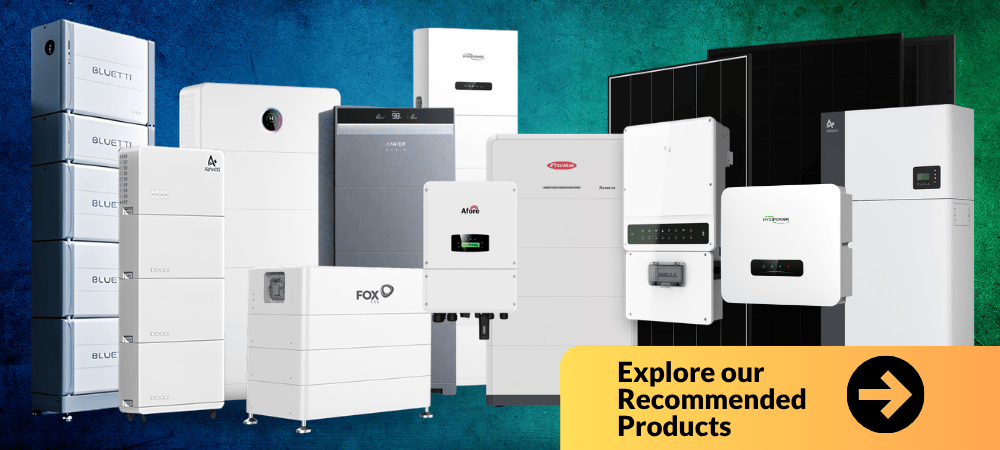
Many homeowners combine technologies—for example, bifacial panels in a ground-mounted array with microinverters for panel-level control. Your installer can advise on the best combination for your property. Check our page for our recommended solar products.
Ready to find the right system for your home? Compare solar quotes from trusted installers across Australia. Contact Energy Matters now to let our team match you with the right technology, the right local installer, and the best available price.
Get free solar quotes from Energy Matters today. Our solar experts compare products from Australia’s leading brands and help you choose the right technology for your budget and property.