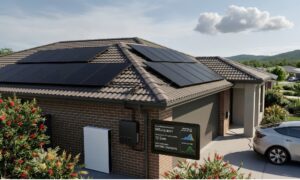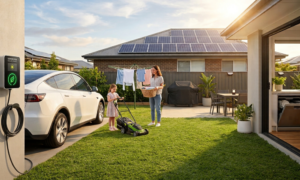




For years, solar panels have been the beige minivans of green technology—reliable, practical and undeniably good for the planet, but hardly something you’d show off. That’s starting to change.
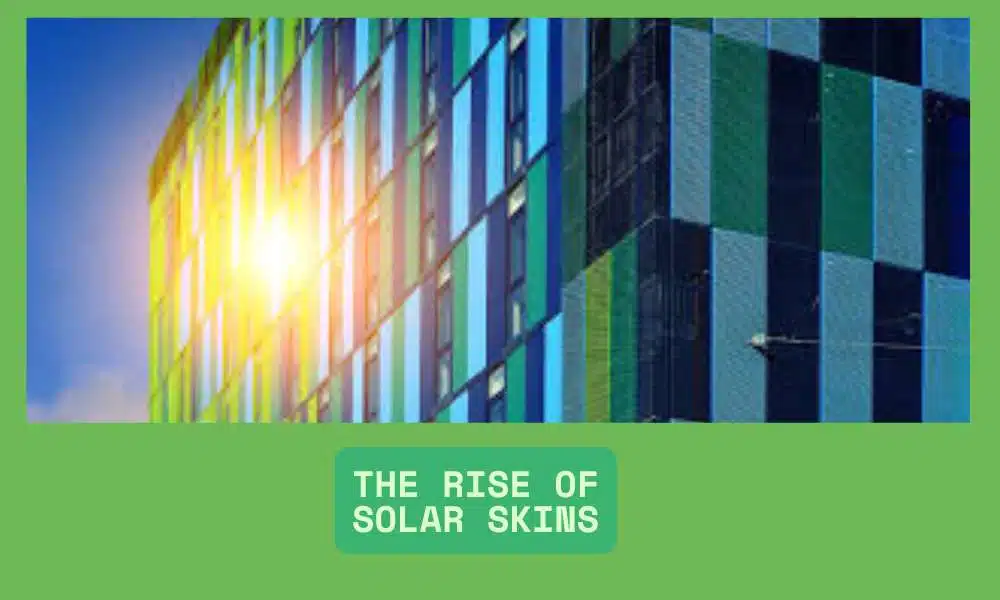
Much like how Tesla transformed electric cars from clunky experiments into sleek status symbols, a similar design revolution is underway in the solar industry. Enter solar skins, a new generation of panels designed not just to power your home, but to look good doing it.
As homeowners get savvier and more style-conscious, aesthetics are becoming a decisive factor in going solar. We’re not just talking about black vs. blue panels anymore, but about custom designs, seamless roof integration, and panels that disappear into your shingles.
This isn’t just a cosmetic upgrade, it’s a market shift. And it may be the missing link between good intentions and mass adoption.
What are solar skins?
Solar skins are a new kind of photovoltaic (PV) technology designed with one major goal: to blend in. Unlike traditional panels that sit on top of your roof and scream “I went solar,” solar skins are customisable overlays that mimic the appearance of roofing materials, like shingles, tiles, or even specific colours and textures, while still generating electricity.
Think of them like the skin on your smartphone: functional, protective, and totally customisable. But instead of just changing a colour, these skins let solar panels disappear into the design of your home. Some companies even allow homeowners to upload custom images or match specific roof patterns, making the tech practically invisible from the street.
Behind the scenes, the tech is clever. These skins are printed with a proprietary material that lets sunlight pass through while displaying a visible pattern on top. The underlying solar cells continue to capture energy, while the outer skin hides the tech in plain sight.
They may not be quite as efficient (yet) as standard panels, but for many homeowners, the tradeoff is worth it. The visual upgrade solves one of the solar industry’s biggest adoption hurdles: aesthetics.




The design-driven buyer
For decades, the solar pitch was all about numbers (kilowatts, savings, ROI). But today’s buyers want more than just performance, they want products that fit their lifestyle. Just like electric cars didn’t truly take off until they got a design glow-up, solar panels are now undergoing the same transformation.
Homeowners, especially younger ones, are bringing a design-first mindset to every aspect of their home, including energy. In the age of Pinterest-worthy curb appeal and HGTV-level renovations, bulky black rectangles on the roof don’t always make the cut.
And this isn’t just a vanity issue. People are more likely to embrace visible technologies when they’re proud of how they look. Just like a sleek phone or stylish thermostat becomes a conversation piece, solar skins turn renewable energy into something people want to show off, not hide.
There’s also a growing trend in homeownership toward personalisation. From custom lighting to landscaped yards, homeowners want control over every visual detail. Solar skins tap into that desire by letting you choose how your energy system looks, not just how it performs.
In short, looks matter because they remove friction. A great-looking solar option can be the final push a hesitant homeowner needs to commit. Aesthetic appeal doesn’t replace performance, it completes it.
From niche to mainstream
What started as a niche solution for design-conscious homeowners is quickly gaining momentum in the mainstream. As solar skins become more accessible and better known, they’re starting to show up in places where traditional panels have long been rejected.
These are the places where aesthetics have always been a barrier to solar adoption. A homeowner might love the idea of clean energy, but not if it means installing big black panels that clash with their Spanish tile roof or Victorian trim. Solar skins eliminate that compromise.
In some pilot projects, entire developments are being planned with integrated solar skin roofs from day one, creating net-zero homes that don’t look like science experiments. Builders and developers are using solar skins to offer sustainability without sacrificing visual cohesion, a huge selling point for modern buyers.
Commercial buildings are getting in on it, too. Retail stores, hotels, and office buildings are using solar skins to blend clean energy into their brand aesthetics. Some are even exploring branded solar installations, turning the roof into a subtle but visible statement of their sustainability values.
And the data backs it up: as design barriers fall, adoption rises. When people see solar as an enhancement, not an eyesore, they’re far more likely to say yes. The result? Broader solar adoption, more clean energy in the grid, and a step closer to net-zero living, without compromising on style.
The competitive edge
In a market where most solar panels offer similar performance specs, aesthetics have become the next frontier for standing out. For years, manufacturers competed on efficiency, warranties, and price per watt, but now, visual design is becoming a serious differentiator.
Early adopters of aesthetic-first solar aren’t just selling energy, but they’re selling identity. Their pitch isn’t just about saving money or reducing emissions. It’s about elevating the look of your home while doing both.
When form meets function, adoption follows
Solar power isn’t just about saving the planet anymore, it’s about looking good while doing it. As solar skins reshape the visual language of renewable energy, they’re tearing down one of the last big barriers to adoption: aesthetics.
What we’re witnessing is more than a design trend but a market evolution. By aligning sustainability with style, solar skins offer a product that meets both practical and emotional needs. They appeal to homeowners’ desire for beauty, control, and social identity, while still delivering the energy performance we expect.
In the end, the future of solar may not hinge on efficiency alone, but on the simple truth that people want products they’re proud to live with and can show off.