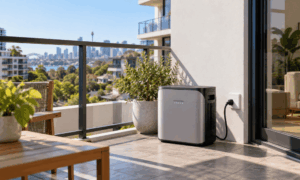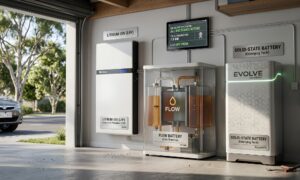






When the federal government unveiled the Cheaper Home Batteries Program in July, households and small businesses were buzzing. A rebate that slashes battery costs by about 30 per cent sounded like a golden ticket. But there’s one snag: there simply aren’t enough batteries to go around.
A surge in demand meets a shallow supply chain
The rebate has supercharged interest in residential storage, with thousands of Australians rushing to add batteries to their solar systems. Demand is so strong that distributors and wholesalers are struggling to keep shelves stocked. Warehouses are bare, importers are scrambling, and installers are forced to juggle long waiting lists.
Australia has always relied heavily on imported batteries, mostly from China, South Korea, and Europe. When demand suddenly skyrockets, local suppliers have little wiggle room. Manufacturing lead times are long, global supply chains are tight, and freight delays only make matters worse. Even large-scale distributors are finding it tough to secure consistent stock.





What this means for households and small businesses
For everyday Australians, the shortage means patience is now part of the deal. Instead of a quick installation, many customers are facing wait times stretching from weeks to months. Some are being offered alternative brands they’ve never heard of, while others are being asked to sign up and hold their spot in the queue.
For small businesses looking to cut operating costs with solar and storage, the delay can be frustrating. Batteries have the potential to trim thousands off annual electricity bills, but until supply improves, many operators are stuck watching their power bills climb.
The shortage is also creating uncertainty around pricing. While the rebate reduces upfront costs, limited availability has already caused some installers to raise quotes. Customers eager to lock in savings need to keep their eyes open and ensure they’re dealing with reputable retailers.
What you should do
If you want to secure a battery before the rebate steps down on 1 January 2026, you’ll need to be proactive. Demand is far outpacing supply, so households and small businesses should:
- Join a waitlist now with a reputable installer to lock in your place.
- Confirm eligibility early so paperwork and approvals don’t delay installation.
- Stay flexible on brands and models while ensuring the product is CEC-approved.
- Avoid rushed decisions; if a deal sounds too cheap, it probably cuts corners.
- Plan installation timing with your installer, as stock may arrive close to the rebate changeover.
Solar installers under the pump
For solar retailers and installers, the shortage is a mixed blessing. On one hand, business has never been busier. Phones are ringing off the hook, and the pipeline of work is enormous. On the other hand, securing the product is a daily challenge.
Many installers are diversifying their supply, sourcing from multiple distributors and, in some cases, introducing new brands into their catalogue. While this helps keep jobs moving, it also increases the risk of unfamiliar products entering the market. Installers now face a balancing act between keeping customers happy and maintaining confidence in the batteries they install.
“We’ve had to put a hold on sales for some brands – there’s simply no supply for the foreseeable future. Our customers aren’t happy, especially those with existing orders”, one solar installer noted.
In some cases, retailers are forced to delay installations entirely, a problem that strains customer relationships. A rebate-driven boom should be a golden opportunity, but for many in the industry, it’s turning into a logistical headache.
Distributors and manufacturers feeling the pressure
Battery distributors are at the sharp end of the crunch. Import orders that once took months are now booked out well in advance, with some brands reporting allocations sold out for the remainder of 2025.
Manufacturers are responding by announcing capacity expansions, but these take time to come online. Adding production lines or building new gigafactories is a multi-year exercise. Meanwhile, Australian firms that could help plug the gap face capital hurdles and stiff international competition. The collapse of a local manufacturer earlier this year underscored just how hard it is to build a homegrown battery industry.
In the short term, distributors are prioritising larger retailers and installers, leaving smaller operators struggling to secure stock. This risks creating a two-speed market where bigger players continue to grow while smaller companies are left in limbo.

When will the shortage ease?
So, when will Australians actually start seeing more batteries on the ground? The answer isn’t clear-cut. Some suppliers expect shipments to normalise by mid-2026 as new global capacity comes online. Others warn that demand could continue to outpace supply for years, especially as more countries roll out similar rebates and incentives. Some manufacturers are touting supply by the end of November.
What is clear is that the federal program has succeeded in one respect: it has lit a fire under the battery market. Australians want storage, and they want it now. The question is whether the industry can deliver fast enough.
The silver lining
While the shortage is painful in the short term, it highlights just how strongly Australians are embracing the energy transition. A decade ago, few would have predicted the sheer scale of solar and storage uptake. Now, batteries are becoming a mainstream household appliance.
This demand will inevitably drive more investment in supply chains, manufacturing, and installation capacity. By 2026, Australians may look back on 2025 as the year the market finally tipped, even if the ride was bumpy.
Final word
The Cheaper Home Batteries Program has unleashed unprecedented demand, but without enough batteries to meet it, households, businesses, and installers are all stuck in limbo. Until stock flows improve, patience and vigilance will be essential.
For now, Australians keen on storage need to plan ahead, work with trusted installers, and be ready for delays. The clean energy future is coming, but it’s arriving with a waitlist.