


Australia boasts one of the highest rates of rooftop solar adoption globally, with over a third of homes harnessing the sun’s energy. This incredible uptake has positioned solar as a major pillar in the nation’s energy mix, helping countless households slash their electricity bills.
However, the performance of your rooftop solar system isn’t always a simple, predictable equation. Many Australian homeowners are left wondering why their energy generation doesn’t match the installer’s projections—sometimes it’s a pleasant surprise of overproduction, but often, it’s a puzzling shortfall. Understanding the intricate factors that influence your system’s output is key to maximising your investment.

Understanding rooftop solar output
Your solar system’s production depends on various factors—from sunlight exposure and panel angle to the inverter’s efficiency. Even slight differences in orientation or shade can significantly affect daily output.
Most rooftop solar systems in Australia are designed to generate enough power to cover average household consumption. However, conditions change throughout the day and year, leading to fluctuations in output.
Typical production factors include:
- Sunlight hours: Australia’s regions vary widely—Perth and Darwin get more annual sunshine than Hobart or Melbourne.
- Panel efficiency: Modern solar panels convert more sunlight into electricity than older models.
- System losses: Dust, wiring resistance, and inverter inefficiencies can reduce usable output.
Common reasons why your rooftop solar is producing more than you think
Some homeowners underestimate how well their systems perform—especially when using outdated monitoring tools or relying solely on electricity bills.
1. Underestimating system efficiency
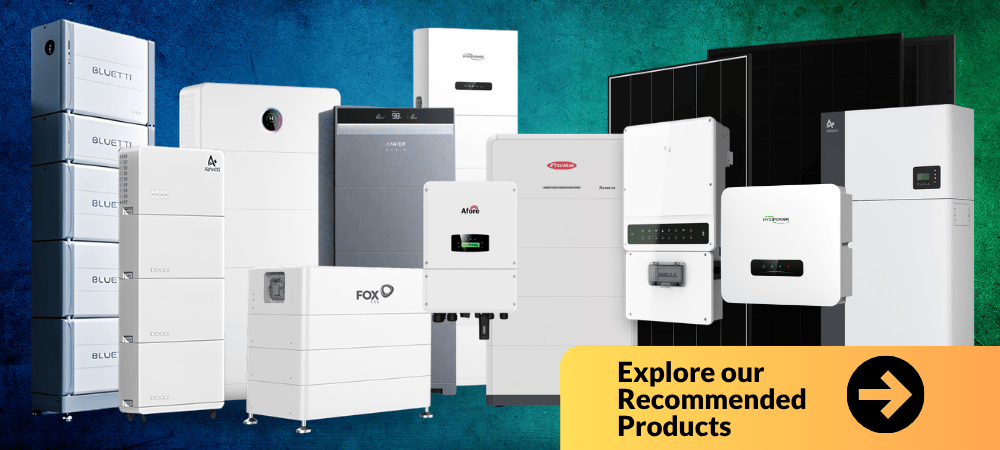
Modern panels—especially Tier 1 brands—can perform better than their rated output under optimal conditions. Cooler temperatures, high-quality wiring, and well-angled installations can all boost performance. Check our page for our recommended solar panel products.
2. Seasonal peaks
In summer, longer daylight hours and clear skies mean your panels work harder. This can lead to unexpectedly high production compared to winter months.
3. Smart energy management systems
If you’ve recently installed a smart inverter or energy management device, your monitoring data may now include self-consumption savings. This makes total energy generation appear higher, as it reflects both exported and used energy.
4. Cleaning and maintenance
Regular solar panel cleaning and professional system checks can restore up to 20% of lost efficiency, improving performance beyond initial readings.



Why your rooftop solar may be producing less than expected
Even in sunny Australia, some homeowners experience output drops due to common rooftop solar issues. Recognising these can help you troubleshoot early.
1. Dirt and debris accumulation
Leaves, bird droppings, and dust can block sunlight from reaching your panels. In dusty or coastal regions, panels may need more frequent cleaning.
2. Shading problems
Overhanging trees, neighbouring buildings, or even your own roof’s design can cause shading. Just a small shaded area can reduce output across an entire panel string.
3. Ageing or faulty solar inverters
The solar inverter—the heart of your solar system—can lose efficiency over time. An underperforming inverter may not convert DC power to AC effectively. Regular servicing can detect these faults early. Check our page for our recommended solar inverter products
4. Temperature sensitivity
Although Australia is sunny, extreme heat can lower panel efficiency. Most solar panels perform best at temperatures below 25°C.
5. System degradation
Solar panels naturally degrade, losing about 0.5% efficiency each year. After 10 years, you may notice a minor but measurable decline in output.
How to diagnose rooftop solar production problems
You don’t have to be an expert to identify performance issues. Follow these steps to diagnose whether your solar system is underperforming:
- Check your inverter display—it should show real-time power generation data.
- Review monitoring app data and compare daily and monthly trends.
- Inspect for shading – Observe your panels during different times of day.
- Look at your electricity bill—has your grid usage increased unexpectedly?
- Call a solar professional – Energy Matters partners with Solar Service Guys, who can perform solar system health checks.
For more help, see our guide on solar panel maintenance and monitoring.
The role of weather and location in solar production
Australia’s vast geography means solar output can vary dramatically between states. For example:
- Queensland and WA generally see the highest solar generation.
- Tasmania and Victoria may experience seasonal dips in daylight hours.
If you’re comparing your solar output to an online average, make sure it reflects your local climate and the size of your installation. Tools like the Bureau of Meteorology’s solar radiation maps can help you understand expected levels of sunlight.
Tips to optimise your rooftop solar performance
To make sure your solar system delivers its best, adopt these energy-smart habits:
- Monitor your system monthly using your inverter or energy app.
- Schedule routine maintenance every 12 months.
- Keep panels clean, especially after dust storms or heavy pollen seasons.
- Install solar monitoring tools to track trends and detect issues early.
- Upgrade to a solar battery system to store excess power for nighttime use. Check our page for our recommended solar battery products.
For professional help, explore Energy Matters’ solar battery options or request free solar quotes to evaluate your system’s performance.
Use Energy Matters’ easy-to-use solar power and battery storage calculator to determine the size of your solar system with storage! Our solar calculator will generate performance information and potential savings.

Future trends: Smarter solar monitoring and AI insights
New technologies are making it easier to track your solar system’s performance. AI-powered monitoring systems can now predict potential issues—like shading or panel degradation—before they cause noticeable drops in production.
Integrating these systems can increase total yield, ensuring your rooftop solar operates at peak efficiency year-round.
Going solar with confidence
Energy Matters is here to guide you every step of the way. We help Australian home and business owners receive personalised solar quotes through our large network of high-quality solar installers. We only work with reputable solar companies that have a proven track record of delivering high-quality solar systems.