


Incorporating lithium-ion batteries into energy storage for home solar power systems as a package solution is finally about to become a reality – in Japan anyway.
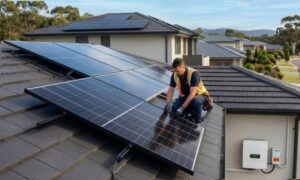
Kyocera Corporation and Nichicon Corporation recently announced a deal that will see Kyocera selling a new energy management system (EMS) combining Kyocera solar panels, inverter and related components with Nichicon’s high-capacity lithium-ion battery storage units.
Japan has been experiencing significant electricity supply instability since the tsunami and Fukushima disaster last year. Energy efficiency, peak-time shifts through on-site energy creation and energy storage to stabilise electricity demand has become increasingly important for the nation.
Solar power has experienced a boom since the disaster and by the end of March this year, more than one million homes in Japan will have installed solar panel systems. The number of installations is expected to continue to increase annually by around 12% in the coming years.
One of the challenges of grid connect solar power systems is when there is a blackout, for safety reasons the system automatically shuts down to ensure electricity is not being fed into the grid as this could endanger power company workers seeking to address a fault.
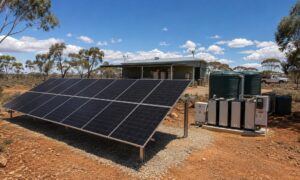
While “islanding” can allow these systems to continue to supply power to a home during such times – it’s of little use if the interruption occurs at night.
The answer is an additional energy storage system. Traditional lead-based deep cycle batteries are used in these applications, but they are very bulky and expensive.
Kyocera’s new EMS system incorporates a lithium-ion battery that can last roughly 5 times longer than conventional deep cycle batteries. The battery has a capacity of 7.1kWh, weighs just 200kg and measures only 120H × 90W × 35D centimetres.
The system automatically switches to independent operation in the event of a natural disaster or electricity black-out and offers various operating modes to meet the energy use patterns and needs of the household.
Kyocera will begin selling the systems by the middle of this year and has set a target of 10,000 units in the first year. If and when these systems will be available in Australia is not known at this point in time.