


The Solar Price No One Should Fear: Why Households Still Win in 2026
Australia’s solar era is evolving. Prices may edge up in 2026, but homeowners still win—thanks to lasting savings, stable rebates, and smarter, more efficient solar technology.
Australia’s solar era is evolving. Prices may edge up in 2026, but homeowners still win—thanks to lasting savings, stable rebates, and smarter, more efficient solar technology.

Queensland’s grid stands at a crossroads—extending coal’s life while building one of Australia’s most ambitious renewable networks. Here’s how the Sunshine State is balancing reliability, cost, and clean energy ambition.

Western Australia’s ‘Smarter Solar’ rules will reshape how rooftop systems interact with the grid — marking a national shift toward flexible exports and smarter, connected solar management.

Australia’s new “Solar Sharer” scheme offers free midday electricity — but for solar homeowners, hidden costs and shrinking feed-in tariffs could outweigh the benefits if they’re not careful.

Wholesale electricity prices have dropped nearly 30%, but most households aren’t seeing cheaper bills. Network costs, supply charges, and retail contracts continue to keep power prices high.

Victoria is overhauling its coal-built grid to deliver 95% renewable power by 2035 — a full rewiring that’s reshaping energy flow, infrastructure, and household electrification across the south.

Clean energy is going mobile. Portable batteries and virtual solar platforms are redefining power ownership in Australia—turning energy from a home fixture into something you can carry, trade, or share.

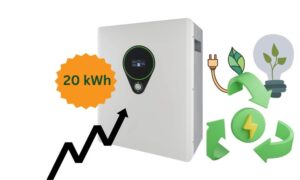
In 2025, Australian homeowners are thinking bigger. With new rebates and smarter tech, 20kWh batteries have become the gold standard for energy independence and all-night solar power.

Your everyday energy habits are becoming powerful assets. As Australia’s grid evolves, the way you use, store, and shift electricity could soon be worth more than your solar system itself.
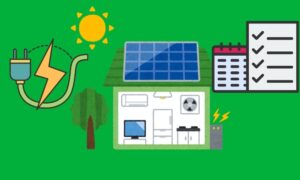
Going solar is just the start. From thermal mapping and cool-roof coatings to composting and native gardens, these overlooked upgrades quietly turn solar homes into full-scale sustainability hubs.