






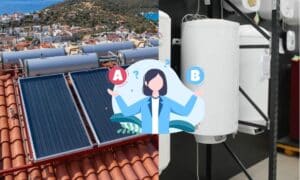
Solar hot water

Solar Hot Water Or Heat Pump? What Really Pays Off In Australia
Heat pumps and solar hot water both cut bills and emissions, but which pays off more for Australian homes depends on climate, roof space, and rebates.



Heat pumps and solar hot water both cut bills and emissions, but which pays off more for Australian homes depends on climate, roof space, and rebates.

Victoria’s Solar for Apartments rebate offers up to $140,000 per building, but action is needed before April 2026 or your block could miss out on major savings.

Gravity storage could help New South Wales stabilise renewable energy, turning disused coal mines into long-duration storage sites that keep power reliable and household bills in check.

The 5kW inverter rule isn’t universal. Grid limits, wiring, and household habits all matter, and the right size depends on how Australians plan to use energy in the future.

With pumped hydro projects stalling and batteries racing ahead, Australia faces a choice: is hydro finished, or simply waiting for the moment only it can deliver?

Australia’s battery boom shows demand was never the problem. The real test is durability—will today’s subsidised systems still perform, recycle, and deliver value a decade from now?

Tasmania’s loan scheme proved Australians are ready for clean energy. Demand isn’t the issue—removing upfront costs unlocks solar, batteries, and efficiency upgrades at scale.

EVs don’t need to power the grid to matter. Their true value lies in when they charge—helping Australia soak up solar, cut costs, and ease grid stress.

Choose wisely: lithium-ion offers compact affordability with small fire risks, while flow batteries trade space and cost for safer, non-flammable stability. Safety matters as much as savings.
Demand for batteries has soared in Western Australia in spite of the reduced rebate. Western Australians look for energy security in battery energy storage with the help of the state and federal rebates.