



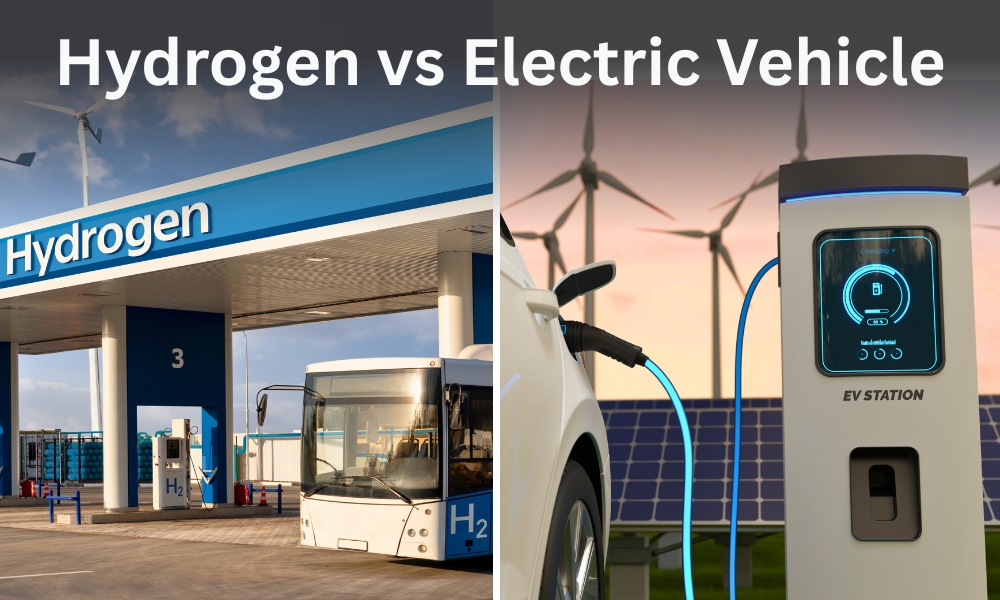
The debate over hydrogen versus electric vehicles in Australia is intensifying as the nation strives toward zero-emissions transport. Both hydrogen fuel cell vehicles (FCEVs) and battery electric vehicles (BEVs) offer promising pathways to reduce emissions. But which option is more practical, affordable, and scalable for Australians?
The race is on, and the current reality shows that while BEVs hold a commanding lead in the passenger vehicle market, the Australian Government is also making significant investments in hydrogen EV technology, particularly for heavy transport and as an export commodity. This dual approach acknowledges that a singular solution may not be sufficient for a continent with such vast distances and diverse energy needs.

The rise of clean transport in Australia
Australia is moving quickly toward cleaner mobility. Government incentives, falling EV prices, and advancements in hydrogen research are reshaping the automotive industry.
- Battery Electric Vehicles (BEVs) are the most common type of EV in Australia, powered entirely by lithium-ion batteries.
- Hydrogen Fuel Cell Vehicles (FCEVs) generate electricity on board by combining hydrogen with oxygen, producing only water vapour as exhaust.
Hydrogen EV vs Electric car: Key differences
Understanding the hydrogen EV vs electric car debate is crucial for consumers, businesses, and policymakers.
Environmental impact of Hydrogen vs Electric vehicles
- Hydrogen EVs: Zero emissions at the tailpipe, but hydrogen production often relies on fossil fuels. Transition to green hydrogen is critical.
- Electric cars: Zero emissions when powered by solar or renewables. Battery production, however, has environmental challenges.
Comparing the costs and carbon footprint
The long-term viability of both technologies in Australia depends on the full lifecycle assessment, often referred to as “well-to-wheel” efficiency and emissions.
Life cycle emissions: A closer look
The environmental impact of both vehicles is tied directly to their fuel source. For BEVs, emissions depend on the energy source used to generate the electricity. As Australia’s grid rapidly incorporates more renewables, the emissions of BEVs will decrease significantly, approaching near-zero levels.
For FCEVs, the key is the colour of the hydrogen. Green hydrogen, produced through electrolysis using renewable energy, is a clean source. Grey hydrogen, produced using fossil fuels like natural gas, is highly polluting and defeats the purpose of zero-emission vehicles. Australia’s National Hydrogen Strategy is focused on green hydrogen production to drive the industry.


Infrastructure challenges in Australia
Hydrogen infrastructure
Australia’s hydrogen refuelling network is limited, primarily located in Melbourne, Sydney, and Brisbane. Without significant investment, FCEVs remain impractical for everyday consumers.
EV charging network
Electric vehicles have the advantage of thousands of charging stations across the country. Fast-charging networks are expanding, especially along highways.
| Feature | Hydrogen EV (FCEV) | Electric Vehicle (BEV) |
| Energy source | Hydrogen fuel cells | Lithium-ion battery |
| Refuelling/Recharging | 3–5 minutes at the hydrogen station | 6–12 hours home charging; 30–60 mins fast charge |
| Range | 600–700 km on a full tank | 300–500 km average, up to 700 km for premium models |
| Infrastructure | Limited hydrogen stations in Australia | Expanding the charging network nationwide |
| Well-to-wheel efficiency | 30–40% well-to-wheel | 70–80% well-to-wheel |
| Emissions | Zero tailpipe, but hydrogen production may emit CO₂ | Zero tailpipe, cleaner when powered by renewables |
| Fuel cost (per 100km) | High (estimated AUD$7-$16/kg) | Very low (electricity) |
| Infrastructure | Extremely limited (few operational stations) | Rapidly expanding, widely available at homes/public |
| Australian market focus | Heavy transport and export | Passenger and light commercial |
Pros and cons of hydrogen vehicles in Australia
FCEVs operate by converting hydrogen gas into electricity in a fuel cell, with water as the only emission. While their presence in the Australian passenger market is currently negligible—limited to small corporate fleets—they are positioned as a future solution for specific transportation challenges.
| Advantages of hydrogen EVs | Challenges of hydrogen EVs |
| • Fast refuelling: Hydrogen cars refuel in minutes, making them convenient for long-distance travel. • Longer range: FCEVs can cover more kilometres per tank than most BEVs. • Lightweight fuel storage: Hydrogen fuel cells are lighter than heavy EV batteries, which benefits trucks and buses. • Potential for heavy transport: Hydrogen is better suited for freight, mining, and public transport fleets. | • High costs: Hydrogen cars, such as the Toyota Mirai or Hyundai Nexo, remain expensive. • Limited infrastructure: Australia has fewer than 10 public hydrogen refuelling stations. • Energy inefficiency: Producing, storing, and transporting hydrogen consumes more energy than charging a BEV. • Green hydrogen gap: The majority of hydrogen produced today is derived from natural gas, rather than renewable energy sources. |


Images: CSIRO – Coregas Hydrogen Refuelling Station at NSW’s Port Kembla


Pros and cons of electric vehicles in Australia
BEVs are currently the consumer choice, with sales soaring to record market shares in Australia. The technology is proven, models are increasingly affordable, and the charging infrastructure is expanding rapidly across the country.
| Advantages of electric cars | Challenges of electric cars |
| • Energy efficiency: BEVs convert 70–80% of energy into motion, making them more efficient than FCEVs. • Lower running costs: Charging is cheaper than refuelling with hydrogen or petrol. • Growing infrastructure: EV charging stations are expanding across major cities and highways. • Variety and price options: With models like the MG4 and Tesla Model 3, EVs are becoming more affordable in Australia. | • Long charging times: Even with fast chargers, EVs take longer to recharge than hydrogen refuelling. • Battery weight and disposal: Batteries are heavy, and recycling technology is still improving. • Range anxiety: Some drivers worry about having a limited range, especially in rural areas of Australia. • Upfront costs: Although EV prices are dropping, they are still higher than those of petrol cars. |
Powering up your EV with solar
If you’re thinking of buying an EV, adding an EV charger to your solar system is a smart way to “fuel” your car with clean, renewable energy.
Sources: SG Fleet – Hydrogen vehicles – why bother? | CarsGuide Australia – The hydrogen economy starts here: Hydrogen EVs a step closer for Australia with Toyota, Hyundai and energy partners’ infrastructure announcement | Green Vehicle Guide – Hydrogen fuel cell vehicles





BEV now, Hydrogen later
For the vast majority of Australian passenger vehicle buyers, the choice is clear: Battery Electric Vehicles are the practical, economical, and environmentally sound choice right now. The infrastructure is available, the total cost of ownership is lower, and the technology is mature.
However, the longer-term future, especially for heavy transport like line-haul trucks and large-scale industrial use, will likely see the rise of hydrogen EV technology. Hydrogen’s quick refuelling and long-range capabilities make it an indispensable part of Australia’s decarbonisation puzzle, particularly in remote areas and export markets. The hydrogen EV vs electric car debate is less about competition and more about complementarity, each serving different segments of the transport economy.
Secure your energy future
Don’t wait to make the switch! Explore the best BEV options for your needs and act now to install solar and a home charger, ensuring your personal energy consumption is as clean and cost-effective as possible. Energy Matters today for a consultation on your sustainable transport and power solutions.