






Choosing the right storage solution for your home can feel like a maze. In Australia, the debate over AC-coupled vs DC-coupled solar batteries is more relevant than ever as feed-in tariffs drop and energy prices rise. Whether you are adding to an existing system or starting fresh, how your solar battery connects to your panels affects efficiency, cost, and backup power. This guide will help you decide which setup is the best fit for your Australian home.
Watch the Global Energy Revolution on Channel Nine with Energy Matters
Catch the Global Energy Revolution on Channel Nine, proudly presented by Energy Matters. Join our CEO, Roshan Ramnarain and co-host James Treble on Channel NINE (and streaming on 9Now) as we explore the disruptive technologies and visionary pioneers reshaping our world.
This inspiring TV series highlights the latest in solar energy, battery storage, electric vehicles, and smart energy solutions, transforming homes and businesses across Australia. Each episode features insights from solar experts, real-world installations, and practical advice to help homeowners and businesses lower energy costs and reduce their carbon footprint.
Watch the show. Join the revolution. Power your future with Energy Matters.
What is an AC-coupled solar battery?
An AC-coupled battery connects to your existing solar system through the AC (alternating current) side. It uses a battery and an inverter to convert AC to DC.
In simple terms, your solar panels produce DC power. Your solar inverter converts it to AC power for your home. The AC-coupled solar battery then converts it back to DC for storage and back to AC when you use it.
How an AC-coupled battery works:
- Solar panels generate DC power.
- Solar inverter converts DC to AC.
- AC power charges the battery (which is then converted back to DC).
- The battery converts stored DC back to AC when needed.
This double conversion is important when comparing AC coupled vs DC coupled solar batteries.
Use Energy Matters’ easy-to-use solar power and battery storage calculator to determine the size of your solar system with storage! Our solar calculator will generate performance information and potential savings.
We can send this information to 3 of our pre-vetted, trusted local installers in your area to receive obligation-free solar quotes and take the first step toward true energy independence!

Advantages of an AC-coupled battery
An AC-coupled solar battery is popular among Australian homeowners who already have rooftop solar.
Benefits of an AC-coupled battery:
- Easy to add to existing solar systems
- No need to replace the current solar inverter
- Flexible system expansion
- Works with most solar brands
If you already have solar panels installed, an AC-coupled battery is often the easiest solution. Many Australian homes with systems installed after 2020 prefer this setup when upgrading to solar battery storage.
Disadvantages of an AC Coupled Battery
While an AC-coupled solar battery offers flexibility, it also has some drawbacks.
- Multiple energy conversions reduce efficiency
- Slightly higher equipment cost
- More complex wiring
- May have lower round-trip efficiency
When comparing AC-coupled vs DC-coupled solar batteries, efficiency losses can impact long-term savings.




What is a DC-coupled solar battery?
A DC-coupled battery connects directly to the DC side of the solar system. It works with a hybrid inverter.
The power generated by solar panels charges the battery before being converted into AC power. This reduces energy conversion losses.
How a DC-coupled battery works:
- Solar panels produce DC power.
- DC power goes directly into the battery.
- A hybrid inverter converts DC to AC for home use.
When analysing AC Coupled vs DC Coupled Solar Batteries, efficiency is one major difference.
Advantages of a DC-coupled battery
A DC-coupled battery is highly efficient because it reduces the number of energy conversions.
Benefits of a DC-coupled battery:
- Higher system efficiency
- Lower overall cost when installed with new solar
- Simpler system design
- Better performance for off-grid setups
If you are installing a new solar system, a DC-coupled battery is often the smarter financial choice.
Disadvantages of a DC-coupled battery
Although efficient, a DC-coupled battery may not suit every home.
- Not ideal for retrofitting existing systems
- May require replacing the current inverter
- Limited compatibility with older systems
When evaluating AC coupled vs DC coupled solar batteries, installation timing plays a major role.

Efficiency and the “Conversion Penalty”
Every time electricity changes from DC to AC, you lose about 1-3% of that energy as heat. In an AC-coupled battery system, this happens multiple times:
- DC to AC: From the panels to your home’s switchboard.
- AC to DC: From the switchboard into the battery storage.
- DC to AC: From the battery back to your home when you need it at night.
While modern inverters are very efficient, these small losses add up over thousands of cycles. A DC-coupled battery avoids the middle step, ensuring more of your free solar power stays in the battery rather than disappearing as heat.
Cost comparison
While a DC-coupled battery is cheaper for a new build, retrofitting one can be pricey. To change an existing system to DC, an electrician must:
- Remove your old solar inverter.
- Install a new hybrid inverter.
- Ensure the new inverter is compatible with your old panels.
In contrast, an AC-coupled solar battery simply sits alongside your current gear. For most Aussies, the “best value” isn’t just the price of the battery, but the total cost of the installation and the efficiency gains over time.
Energy Matters can help you find the perfect fit for your home. Don’t leave your energy future to chance!
Ready to slash your power bills? Get up to 3 FREE solar quotes from local, pre-vetted installers today.
Which is better for Australian homes?
The “better” choice depends on your roof’s current status and your energy goals. Australia’s unique climate and grid regulations also play a significant role.
1. For existing solar systems
If you already have a high-quality solar system, an AC-coupled solar battery is usually the winner. You don’t have to pay to remove a working solar inverter or rewire your panels. It is the path of least resistance for most Australian households looking to beat peak-hour prices.
2. For new installations
If you are installing solar and a battery at the same time, a DC-coupled battery is the superior choice. It is more compact, more efficient, and easier to monitor through a single app. You will get a better return on investment (ROI) over the 10-year lifespan of the system.
3. For off-grid or regional use
In regional Australia, where blackouts are common, DC-coupled systems often offer better “black-start” capabilities. This means if the battery runs completely flat during a long outage, it can use the morning sun to “jump-start” itself. Some AC systems struggle to do this without a grid signal or a generator. The best solution depends on your home, budget, and energy goals.
Choose an AC-coupled solar battery if:
- You already have solar panels
- You want simple retrofitting
- You prefer brand flexibility
Choose a DC-coupled battery if:
- You are installing a new solar
- You want maximum efficiency
- You prefer an integrated hybrid system
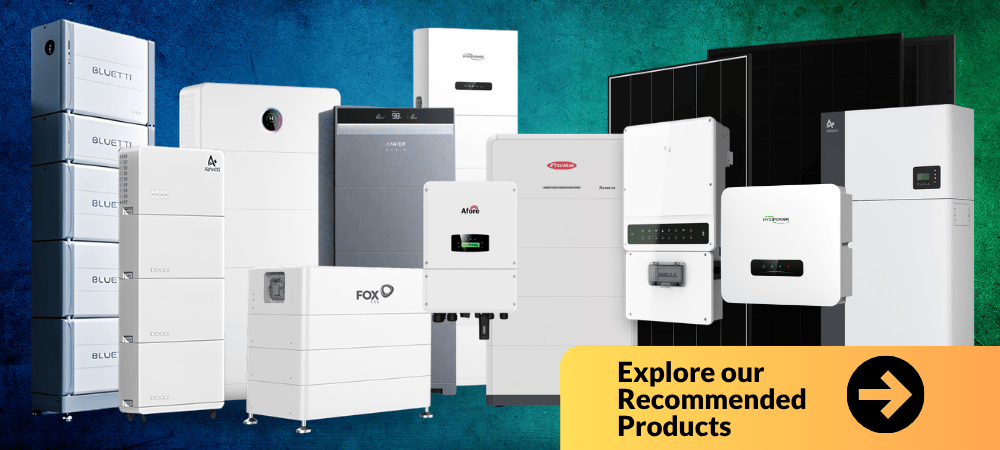
So, AC coupled vs DC coupled solar batteries—which should you choose? Check our page for our recommended solar battery and inverter products.

Final thoughts
If you are starting from scratch or your old inverter is near the end of its life, go with a DC-coupled hybrid system. The efficiency gains and streamlined setup are worth every cent in the long run.
However, if you have a perfectly good solar system and just want to stop paying for expensive evening power, the AC-coupled battery is your best friend. It offers the flexibility and ease of installation that make it the most popular retrofit choice across Australia today.
Not sure which solar battery size you need? Use our Solar Power & Battery Calculator to see your potential savings instantly!
Why speak with Energy Matters?
Choosing between AC Coupled vs DC Coupled Solar Batteries requires expert advice. Energy Matters connects you with trusted installers across Australia. Their team can assess whether an AC-coupled battery or DC-coupled battery fits your needs.
- Get a FREE solar battery quote from Energy Matters today.
- Compare top-rated ac coupled solar battery systems now.
- Start saving on electricity bills with expert guidance.