

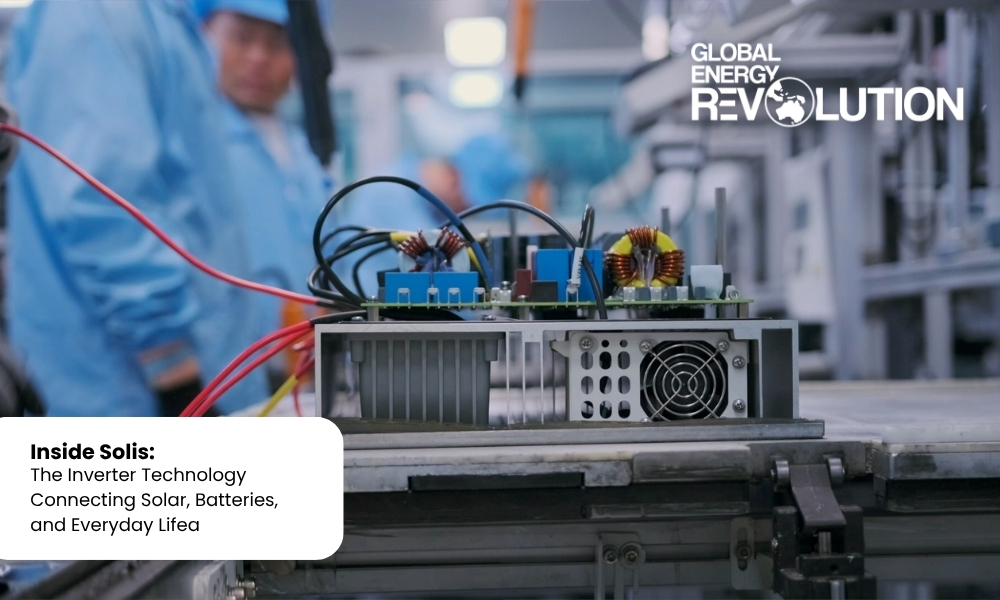
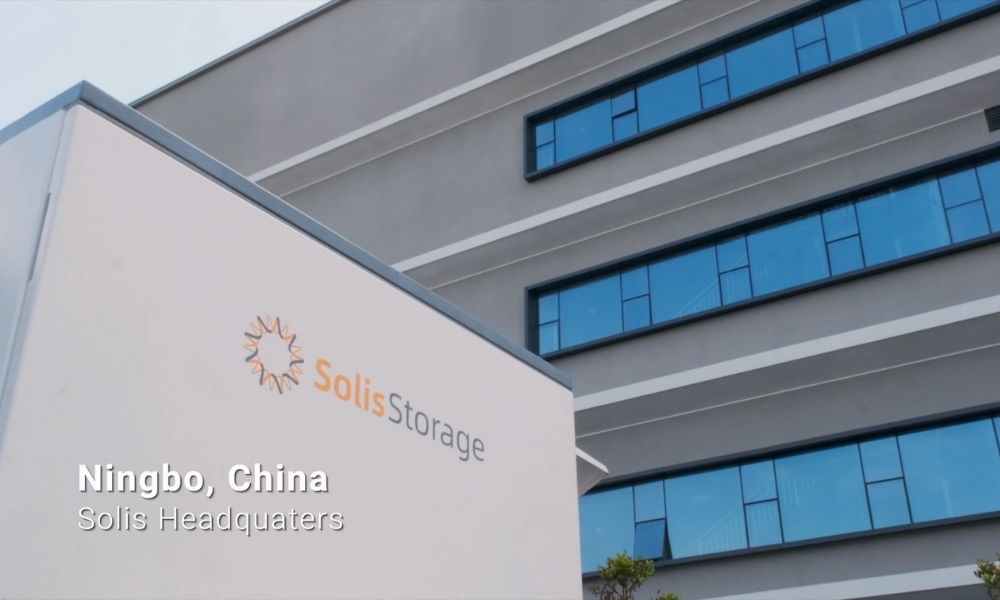
Solar panels get plenty of attention. They sit on the roof, catch the sunshine, and provide a visible reminder that a property generates electricity. The inverter usually works somewhere less glamorous. Yet this hardworking piece of equipment plays a central role in making solar useful. In Global Energy Revolution Season 2, Roshan takes a high-speed train to Ningbo, China, to explore the technology at Solis’ headquarters.
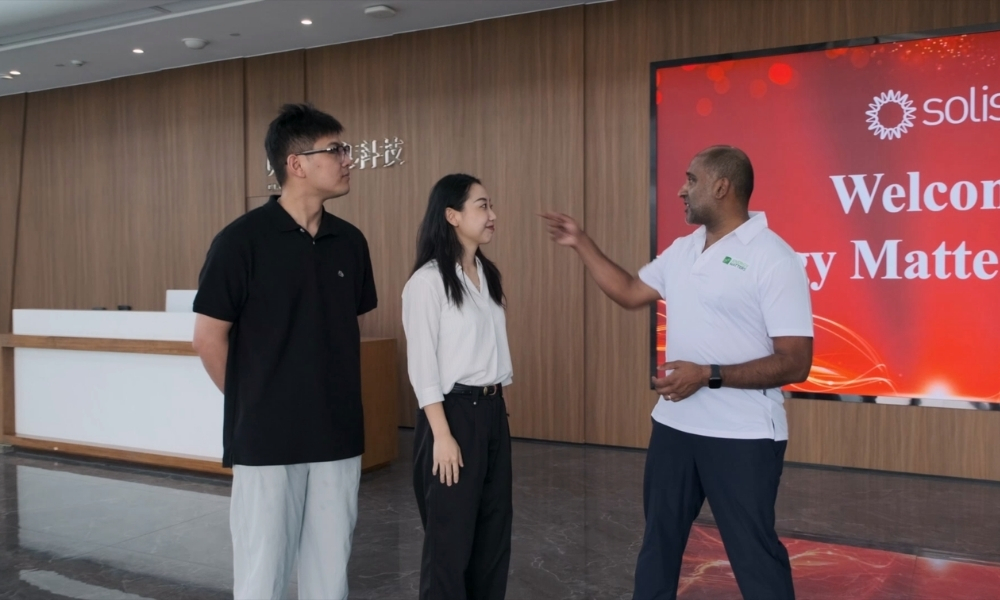
Joining Yulia Tian, Winston Gu, and John Zang, he learns the company’s history, follows inverter manufacturing, and sees on-site energy storage in action.
The visit connects intricate electronics with something familiar: powering homes and businesses more effectively. It also shows why inverter selection deserves careful consideration, especially when batteries are involved.
From household solar to commercial storage, Solis is developing technology that turns generation into usable electricity people can store and manage.
TL;DR: Solis behind the scenes
- Roshan visits Solis’ Ningbo headquarters, exploring its history, manufacturing, assembly, and testing.
- Solis hybrid inverters support a range of verified battery options, giving installers flexibility when designing suitable systems.
- The visit includes an operating EverCore installation, demonstrating how solar and storage can work together at a commercial site.
A high-speed journey into solar technology
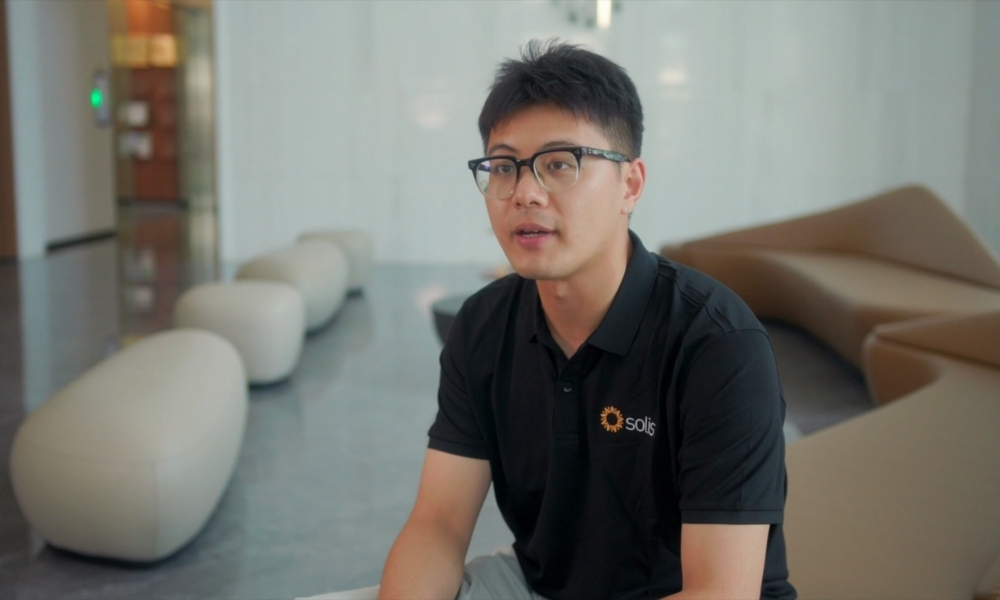
The journey to Solis starts on a high-speed train, taking Roshan north from Wenzhou to Ningbo. At headquarters, Yulia Tian and Winston Gu introduce a visit spanning the company’s history, showroom, manufacturing facilities, and energy storage technology.
There is also a meeting with Sunny, the company’s mascot, before the serious sightseeing begins. The tour reminds visitors that today’s energy products have evolved through years of engineering and refinement.
In the showroom, earlier inverter models sit alongside newer technology, tracing changes in design and capability.
For Roshan, the contrast makes that progress tangible. An inverter once tasked primarily with converting solar electricity now has a much broader role in many installations.
With battery storage, monitoring, and energy management involved, the equipment behind the meter has become increasingly important.
Two decades of inverter development
Solis was founded in 2005 and celebrated its twentieth anniversary in 2025.
During the episode, the team discusses founder Dr Wang’s decision to return to China and build a business around the potential of renewable energy. Roshan then explores the company’s product history, including an early 3 kW inverter from 2006.
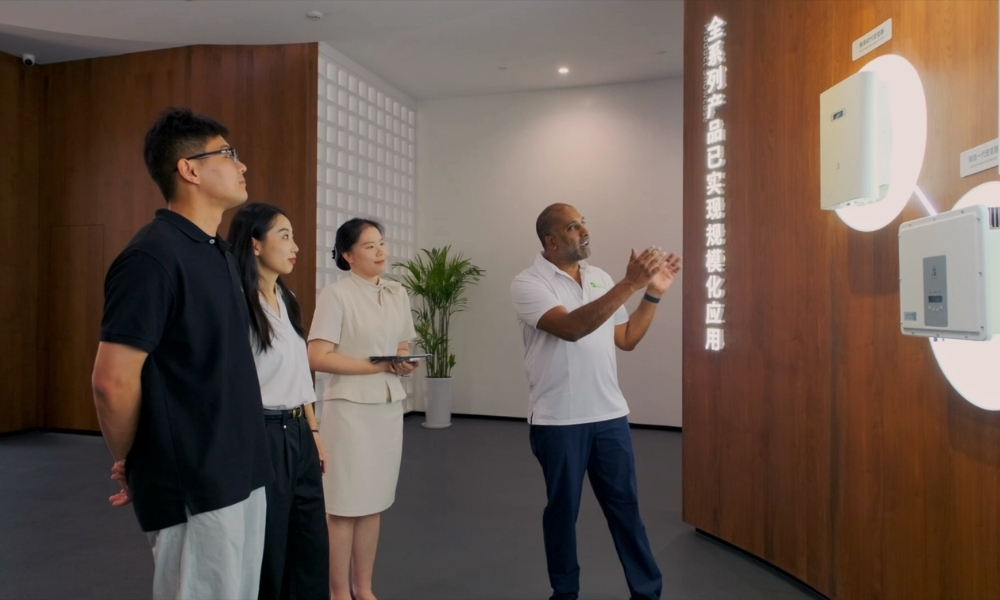
Seeing those products side by side shows how much has changed. Solar installations now serve a wide range of needs, from small household systems to large commercial projects.
Many customers also want to store electricity, manage purchases from the grid, and maintain selected services during outages. The inverter needs to support the job the customer wants done. That makes continued development essential.
Get FREE Quotes for a Solis System
What does a solar inverter actually do?
Solar panels generate direct current electricity, usually shortened to DC. Most household appliances use alternating current, or AC. A solar inverter converts the electricity into a form the home can use.
It also monitors operation and works within the requirements of the electrical installation and grid connection.
A hybrid inverter adds the ability to manage compatible battery storage.
Depending on the system, that can include charging batteries, supplying household demand from stored energy, and supporting backup operation.
The main parts of a solar and battery system
| Component | What it does |
| Solar panels | Generate DC electricity from sunlight |
| Hybrid inverter | Converts electricity and manages flows between the system’s components |
| Battery | Stores electricity for later use |
| Metering and controls | Help the system respond to electricity use and operating settings |
| Monitoring platform | Shows performance and helps owners understand operation |
These components need to work together. A well-matched system considers the roof, electrical supply, appliances, consumption patterns, and the customer’s priorities.
The inverter sits at the centre of many of those decisions.
Battery choice is part of the Solis story
During the showroom visit, Roshan highlights Solis’ approach to working with batteries from different manufacturers. For homeowners, that flexibility can be useful.
An installer can assess a suitable inverter, then compare compatible storage options by capacity, performance, installation requirements, and budget.
Solis supports a range of verified third-party batteries alongside its own storage solutions. The important word is verified.
Compatibility depends on the specific inverter-and-battery combination, including communication and software requirements. Matching a brand name alone is insufficient.
For the customer, this means choice should come with a clear explanation. Your installer should identify the exact products proposed and explain how they operate together.
Why compatibility matters
The inverter and battery exchange information during operation. That communication helps manage charging, discharging, and the battery’s reported charge level. The equipment also needs to work within its voltage, current, and power limits.
A suitable combination supports coordinated operation. An unsuitable pairing can create performance or communication problems.
Expert tip: Ask your installer to confirm compatibility for the exact model numbers on your quote.
That simple check makes the proposal more meaningful and helps ensure the equipment forms a properly supported system.
Solis hybrid inverters for Australian homes
Different properties need different capabilities. A smaller household may require a different inverter from a larger home with electric heating, an electric vehicle, and substantial battery storage.
Solis’ Australian hybrid range includes single-phase and three-phase options across several power levels. For homeowners, the model name matters less than understanding what the proposed inverter can do.
Its solar inputs, battery compatibility, output, and backup functions should all match the installation.
Higher-output single-phase options
The S6-EH1P 10 kW to 16 kW series provides a higher-output single-phase option within Solis’ Australian range.
It supports compatible low-voltage batteries and includes:
- Three MPPTs, supporting suitable solar layouts across different roof sections.
- High-current solar inputs to accommodate compatible modern panels.
- Generator integration, for appropriately designed installations.
- Parallel operation, where additional equipment and site requirements allow.
- Smart load management, helping coordinate selected electrical loads.
An MPPT, or maximum power point tracker, helps an inverter extract power from its connected solar array. Multiple trackers give installers options when grouping panels with different orientations or operating conditions.
For a home with several usable roof sections, that flexibility can be valuable. The final design still needs to respect electrical limits and network connection requirements.
From circuit boards to working inverters
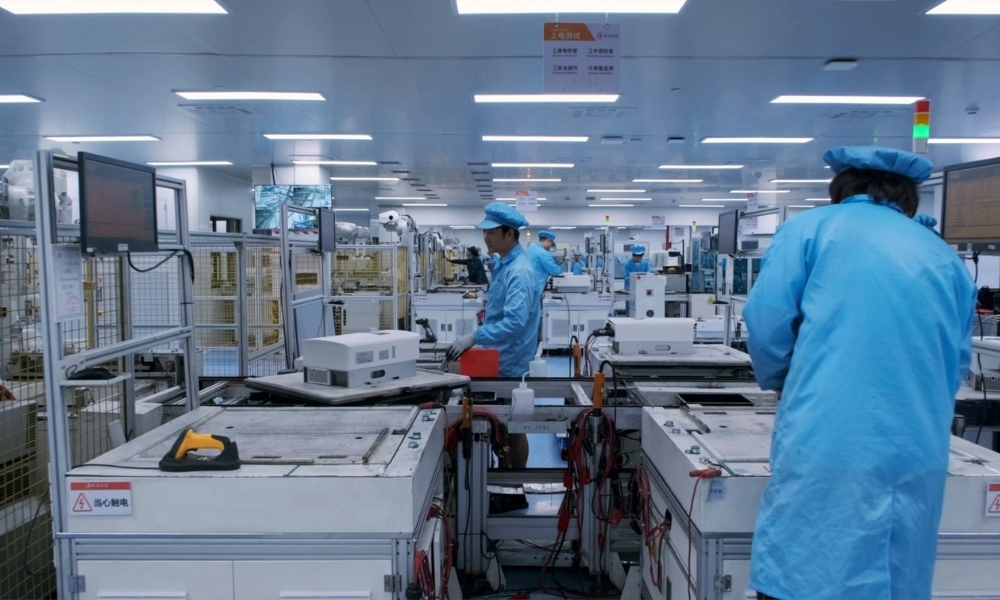
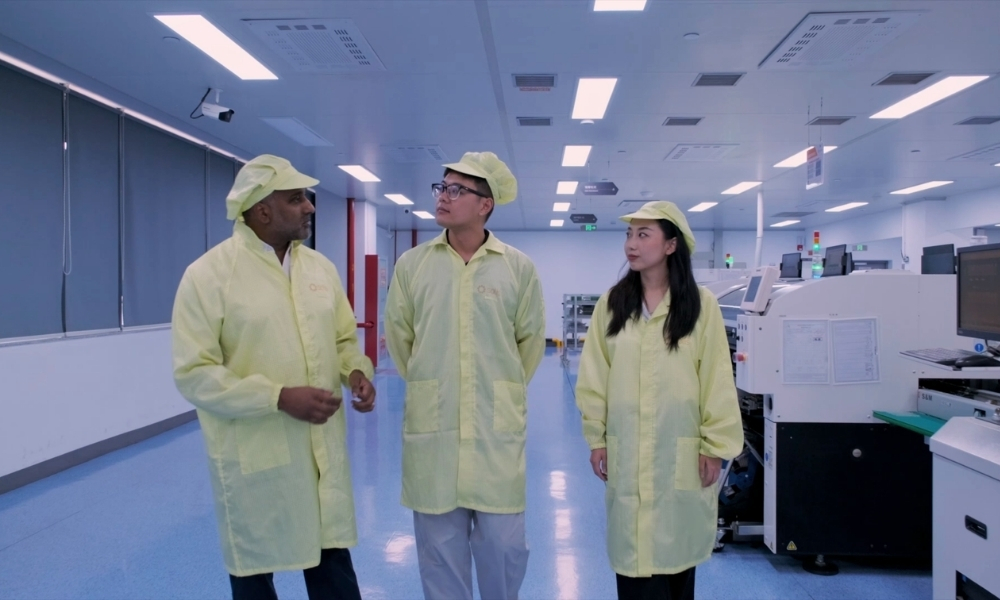
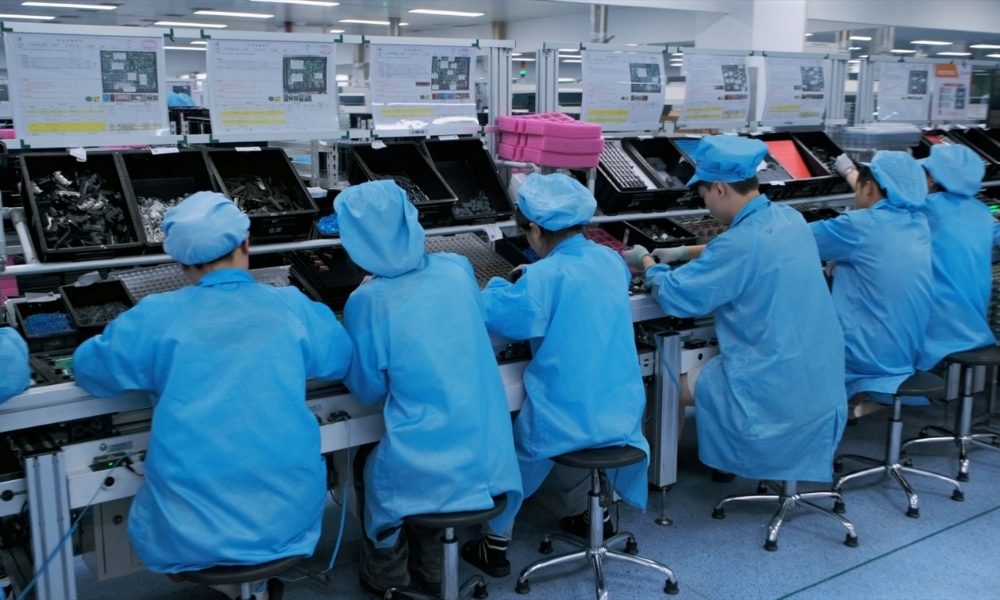
After seeing completed products, Roshan heads onto the manufacturing floor. Here, the tour follows electronic boards through the processes that turn individual components into operational equipment.
The early stages rely heavily on automation. Workers apply materials, position components, and perform inspections to assess results as production progresses.
Roshan notices how little direct handling occurs at certain stages. People remain important, including in assembly and equipment checks. The finished inverter combines those different stages of work.
For viewers, it provides a rare look inside something normally encountered as a sealed box on a wall.
Testing before the product leaves
Once assembly is complete, the inverters move towards testing. The team explains that each unit undergoes checks before progressing through the factory. That matters because the product will eventually manage electricity at someone’s home or workplace.
Manufacturing quality forms part of the picture. Installation, commissioning, system design, and support remain important once the inverter reaches its destination.
The factory visit shows where that wider process begins.
EverCore: Solar and storage working together
Towards the end of the visit, John Zang introduces an operating example of Solis’ energy storage technology. Solar panels above a parking area generate electricity, while the system connects storage with loads including lighting and office air conditioning.
It is a practical demonstration of energy technology serving workplaces.
EverCore is SolisStorage’s commercial and industrial energy storage platform, combining battery storage, inverter technology, and energy management. The Australian range includes systems around 100 kWh and 120 kWh, alongside larger configurations.
Features include direct solar integration, remote monitoring, and backup switching in under 10 milliseconds for suitable configurations.
For a business, the useful question is how those capabilities support its operations. A battery might retain surplus solar electricity for later use. It might help manage peak demand or support selected loads during an interruption. The appropriate strategy depends on the site.
Why the onsite example matters
A working installation makes the technology easier to understand. Instead of considering panels, batteries, and inverters separately, viewers can see how they relate.
The solar array generates electricity. The system manages where it goes. The building uses that electricity to support everyday activity. For commercial property owners, that connection is the starting point for a useful assessment.
When does the business consume power? How much generation can it use directly? What role would storage play? The answers determine whether the proposed equipment can deliver worthwhile value.
Get FREE Quotes for a Solis System
SolisStorage expands the options for homes
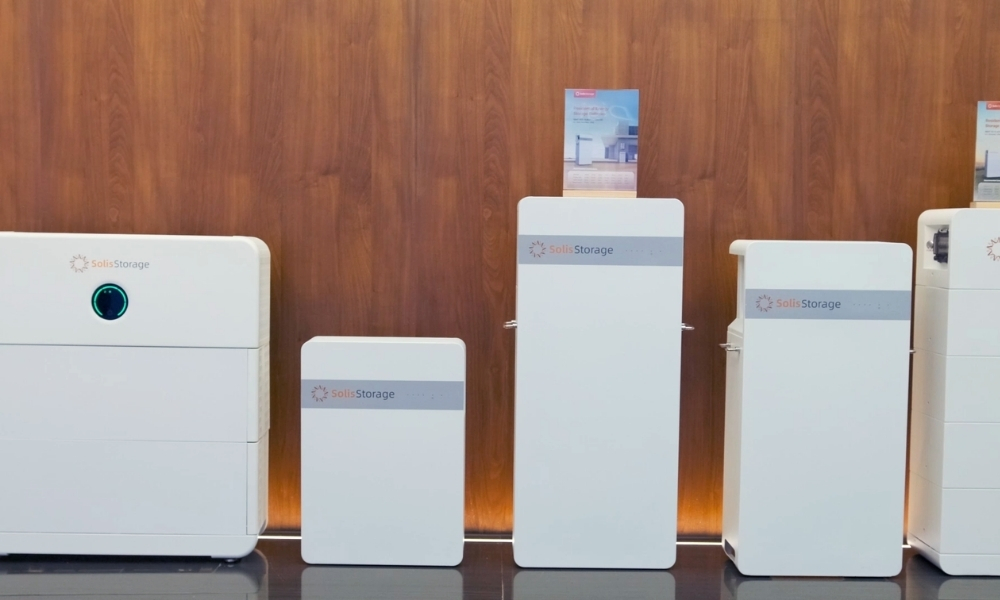
The showroom visit also introduces residential batteries, reflecting Solis’ broader move into storage solutions. Its Australian-facing SolisStorage range includes IntelliHome and FlexAIO, offering different installation approaches.
IntelliHome: Separate components working together
IntelliHome pairs a storage inverter with battery equipment, with wall-mounted and floor-standing installation options. This arrangement gives designers flexibility when locating equipment around a property.
It suits homeowners who prefer separate components or need an installation tailored to a specific space.
The same planning principles apply: match the equipment, check compatibility, and assess how the system will serve the household.
FlexAIO: An integrated, stackable option
FlexAIO combines the inverter and batteries within an all-in-one residential platform. Its stackable design offers another approach for households considering a coordinated installation.
The range includes single-phase and three-phase configurations, with integrated backup and energy-management features.
An installer can assess which products and configurations are available locally and suitable for the property. Choose between integrated and separate equipment based on the home’s needs, available space, and installation requirements.
SolisCloud: Making electricity use more visible
Once the system is installed, understanding how it operates becomes important.
SolisCloud provides monitoring and control features for supported equipment.
For compatible hybrid systems, this can include setting charging and discharging periods around household preferences and electricity tariffs. That visibility can help homeowners use their installation more effectively.
For example, understanding when surplus solar is available may help with scheduling suitable appliances. Knowing the battery’s charge level can also make evening consumption easier to manage.
Monitoring turns an energy system into something the owner can understand and use more deliberately.
Looking beyond the headline battery size
A large capacity figure can attract attention, but useful control matters too. The household needs a strategy for charging, discharging, and retaining any desired backup reserve.
Those settings should reflect how the home operates. A family away during weekdays may need a different approach from someone working from home.
A good handover explains the controls and helps the owner understand how the system normally behaves.
What to ask before choosing a Solis system
Start with the outcome you want.
That may involve adding solar, storing more generation, improving backup, or preparing for future electrical appliances.
Then ask questions that connect the equipment with that goal:
- Which inverter suits our electrical supply and appliances?
- Which batteries are verified for that exact model?
- How much solar generation can we use or store?
- What backup arrangement is included?
- What monitoring and ongoing support will we receive?
For businesses, add questions about operating hours, demand charges, and the commercial model. A strong proposal should explain the expected operation clearly.
The customer should understand why they selected the equipment and what responsibilities remain after installation.
A long journey with an everyday purpose
The trip to Solis covers company history, intricate electronics, production lines, and substantial energy storage equipment. Its purpose comes back to familiar places.
A home uses electricity after sunset. A workplace keeps its equipment running. Businesses seek better control over operating costs.
Yulia Tian, Winston Gu, and John Zang help connect those everyday needs with the engineering behind them. In Global Energy Revolution Season 2, the inverter gets some well-deserved attention.
It may spend much of its working life out of the spotlight, but it plays an important role in helping solar and batteries deliver.
Explore Solis solar and battery options
Considering solar, battery storage, or an upgrade to your existing installation? Energy Matters can help you explore options and connect with installers who can assess your property.
Compare proposals around electricity use, compatible equipment, backup priorities, and plans.
Request free solar and battery quotes through Energy Matters to take the next step.
Watch the Solis headquarters visit in Global Energy Revolution Season 2 to see the technology and meet the people behind it.
Get FREE Quotes for a Solis System
Key takeaways
- The inverter plays a central role in solar performance, particularly when batteries and backup are involved.
- Solis supports verified third-party batteries, providing options within compatible system designs.
- Residential and commercial applications require different assessments, reflecting their loads and operating patterns.
- EverCore demonstrates commercial solar and storage working together, while residential options include IntelliHome and FlexAIO.
- Monitoring and commissioning matter, helping owners understand and make effective use of their systems.
Frequently asked questions
What does a Solis hybrid inverter do?
A Solis hybrid inverter converts solar electricity and manages compatible battery storage. Depending on the model and configuration, it coordinates electricity flows between solar panels, batteries, the property, and the grid. Suitable installations can also include backup functions, monitoring, and scheduled charging or discharging.
Can Solis inverters work with different battery brands?
Solis supports a range of verified third-party batteries alongside its storage solutions. Compatibility depends on the exact inverter and battery models, communication requirements, and software. Your installer should confirm the proposed combination, rather than assuming every product from a particular battery brand will work.
What is Solis EverCore?
EverCore is SolisStorage’s commercial and industrial energy storage platform. It brings together batteries, inverter technology, and energy management. In Global Energy Revolution Season 2, an on-site installation demonstrates how solar generation and storage can support workplace loads, including lighting and office air conditioning.
Does a Solis battery system provide blackout protection?
Suitable Solis hybrid and storage configurations can provide backup power. The installation must include the appropriate equipment and electrical arrangement. Available battery charge, inverter output, and appliance demand influence what can operate during an outage, so your installer should explain the proposed backup design.
Who appears in the Solis Global Energy Revolution segment?
Roshan visits Solis’ headquarters in Ningbo, China, with Yulia Tian, Winston Gu, and John Zang. The segment explores the company’s history, showroom, inverter manufacturing, assembly, and testing. It also features an operating energy storage installation that connects solar generation to everyday electricity use.