
What Australia’s Planning Pipeline Tells Us About the Grid in 2030
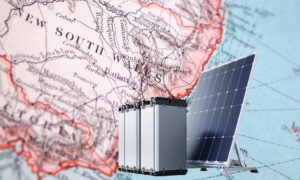
Australia’s energy future is already visible. Projects entering planning today reveal a 2030 grid built around storage, flexibility, and timing — not solar generation alone.
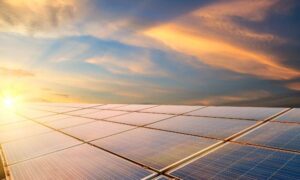

Australia’s energy future is already visible. Projects entering planning today reveal a 2030 grid built around storage, flexibility, and timing — not solar generation alone.

Solar exports still matter, but network tariff reform is changing how bills work. Rising fixed charges mean exporting energy alone may no longer deliver the savings households expect.

Will July power bills finally ease? The March AER draft offers early clues, but for solar owners, export pricing may matter more than headline electricity rates.

Winter is when fossil fuels quietly take over the house. Here’s why electric heating has become one of the easiest and most effective ways to cut energy costs and emissions.

A small NSW battery rule change reveals a bigger shift underway: home energy standards are evolving to reflect integrated systems, flexible layouts, and how Australian homes are actually used.

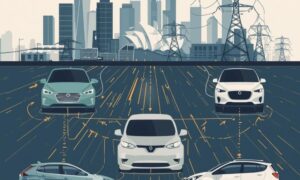
V2G is moving out of trials and into real homes. Here’s what Australian EV owners can realistically do in 2026, and where the limits still apply.

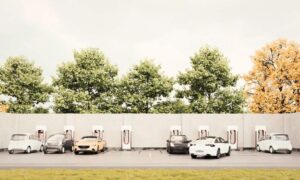
Cheap EV listings can be misleading. For homeowners, the real bargain is the lowest-priced electric car that can handle a full day’s driving from one overnight charge.

Australia’s battery rebate now covers over 1,200 models, giving homeowners more choice, better pricing, and battery options that can be matched more precisely to their solar and energy use.

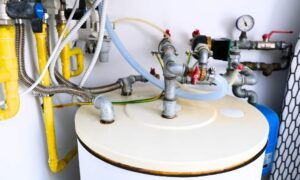
Your hot water system may be the biggest fossil-fuel user in your home. With solar, it can quietly become one of the easiest ways to store and use your own energy.

NSW homes built in 2026 are designed to use less energy first. That’s why solar panels and batteries now work better than they did in older, leakier homes.