
The End of Universal Energy Bill Rebates in 2026: What It Means for Your Power Bill
Australia’s energy bill rebates are ending in 2026. Here’s what changes, why bills may rise, and what homeowners can check before the credits disappear.

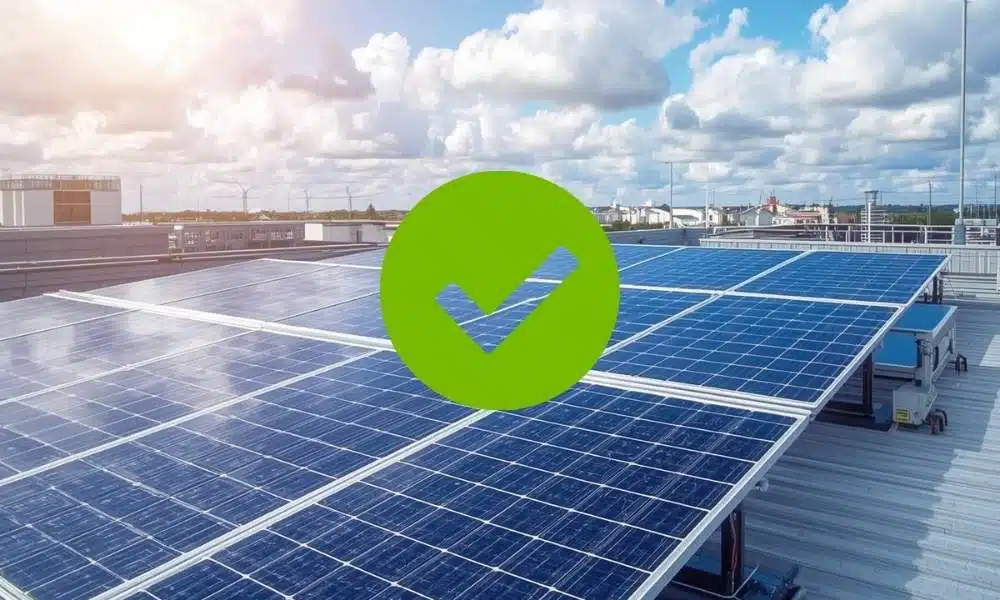
Australia’s energy bill rebates are ending in 2026. Here’s what changes, why bills may rise, and what homeowners can check before the credits disappear.

The Northern Territory’s electricity system runs without interconnection, relying on solar, batteries, and local generation to keep power flowing across vast distances in extreme conditions.
Solar panel reuse is emerging as a practical way to cut waste, extend system value, and make solar energy genuinely sustainable as installations continue to accelerate.
Australia’s solar future is smarter, more flexible, and more controlled. In 2026, value comes from how systems behave on the grid, not just how much energy they generate.
January 2026 brings another planned cut to solar STCs. Here’s what’s changing, how it affects quotes, and why timing still matters for homeowners heading into the new year.
A HECS-style solar battery loan could remove the upfront cost barrier. Here’s what the EELS proposal would actually mean for household power bills and long-term savings.
South Australia is trialling Market Active Solar to manage grid saturation, signalling how rooftop solar will work in high-penetration suburbs and what homeowners can expect next.
The ACT runs on 100% renewable electricity on paper, but its grid still depends on the wider market — highlighting the growing gap between policy targets and physical power flows.
The New Year is a good time to reset your solar expectations. Summer conditions and short-term noise can distort app data without signalling any real system problem.
Using the best AC modes for solar homes can shift cooling into peak solar hours, reduce grid use and improve comfort, helping households get more value from daytime generation.