



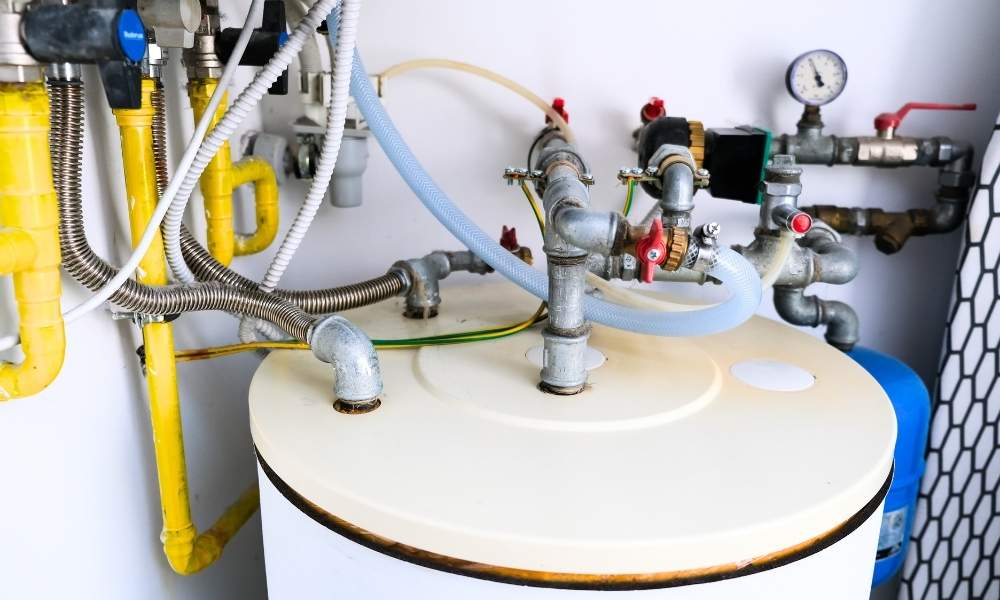
Walk around the outside of most Australian homes, and you’ll find it sitting there quietly against a wall. A tank or a box that no one pays much attention to unless it stops working. It runs every day, uses a lot of energy, and in many households, it’s still powered by gas.
Hot water is one of the biggest energy users in a home, yet it’s also one of the least questioned. We think about solar panels, air conditioners, and appliances inside the house, but rarely about the system outside that’s heating water morning and night.
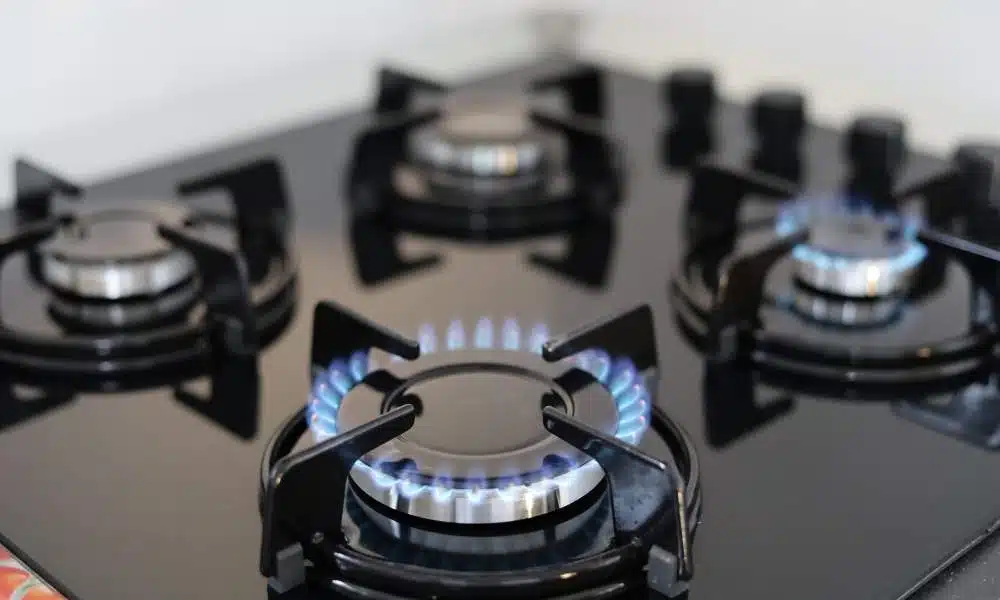
For many households, this is the largest fossil-fuel appliance they own and the one they notice the least.
How much energy hot water actually uses
Hot water typically accounts for around 20-30% of total household energy use in Australian homes. In many cases, only heating and cooling use more over the year.
For a family household, that can mean 3,000 to 5,000 kWh of energy annually just to heat water for showers, laundry, and dishes. If the system is gas, that demand shows up as a steady, ongoing draw on your gas bill every day of the year.
Unlike an air conditioner or a heater, hot water doesn’t feel like a big appliance because it runs in the background. However, it’s working constantly. Every shower, every wash cycle, every tap turned to warm relies on that system reheating the tank again and again,
That’s what makes it so significant. It’s one of the largest, most consistent energy users in the home, yet it’s rarely part of the conversation when people think about reducing bills or making better use of solar.



Why gas hot water became the default in Australia
For decades, gas hot water made sense. Older electric storage systems used simple resistance elements that were expensive to run and slow to reheat. Gas was cheaper, faster, and widely available, so it became the standard choice for new homes and replacements.
That perception stuck. Many still associate “electric hot water” with those older, inefficient tanks that drove up power bills. What’s often missed is that modern electric systems don’t work that way anymore.
Heat pump hot water systems use a completely different method to heat water, but the old idea that electric equals expensive continues to influence decisions long after the technology has changed.
Why solar changes the logic of hot water completely
Solar changes the equation because hot water is one of the easiest energy uses in a home to shift into the middle of the day when panels are producing the most electricity. A heat pump system can be set to run during peak solar hours, heating a full tank while your home is exporting excess power to the grid. That hot water then stays stored and ready for showers, laundry, and dishes later in the evening. Instead of selling that solar energy back for a low feed-in tariff (FiT), you’re keeping it and using it yourself in a very practical way.
What this looks like on your energy bills
The savings show up consistently because hot water runs every day. A typical gas hot water system can use thousands of kilowatt hours’ worth of energy each year, which appears as a steady charge on your gas bill. Older electric resistance systems can be just as costly on the electricity side.
A heat pump running during solar hours changes where that energy comes from. Much of the power used to heat the tank is drawn from your own solar production instead of the grid or a gas connection. Over time, this reduces gas usage and electricity imports, turning one of the home’s biggest ongoing energy demands into something largely covered by the roof.

The brands Australians already know in heat pump hot water
Heat pump systems aren’t coming from unknown manufacturers. They’re now part of the core range from brands many Australians already recognise from traditional hot water systems.
- Rheem: One of the most familiar names in Australian hot water, with a well-established heat pump lineup suited to suburban homes.
- Rinnai: Long associated with gas hot water, they are now offering heat pump options that allow households to move away from gas without leaving the brand they know.
- Stiebel Eltron: Known for high-efficiency electric systems and often discussed for reliability and performance.
- Sanden: Frequently mentioned in solar and electrification discussions for its efficient CO2-based performance.
- Reclaim Energy: An Australian brand specialising in heat pump hot water, designed to work well with solar households.
The important point is familiarity. These are the same companies people already trust for hot water, now offering systems designed to run on electricity instead of gas.
That tank outside your house has been quietly running on gas for years without much thought.
But with solar on the roof, it can do something far more useful.
Instead of burning fuel to heat water every day, you can use the middle of the day to turn excess solar into stored heat for later. Showers at night. Laundry after work. Dishes after dinner — all powered by the energy your home produced earlier.
For many homes, the hot water system is the largest fossil-fuel appliance they own and the easiest one to change.
You electrified your roof. Your hot water is simply waiting to catch up.
Energy Matters has been in the solar industry since 2005 and has helped over 40,000 Australian households in their journey to energy independence.
Complete our quick Solar Quote Quiz to receive up to 3 FREE solar quotes from trusted local installers – it’ll only take you a few minutes and is completely obligation-free.