



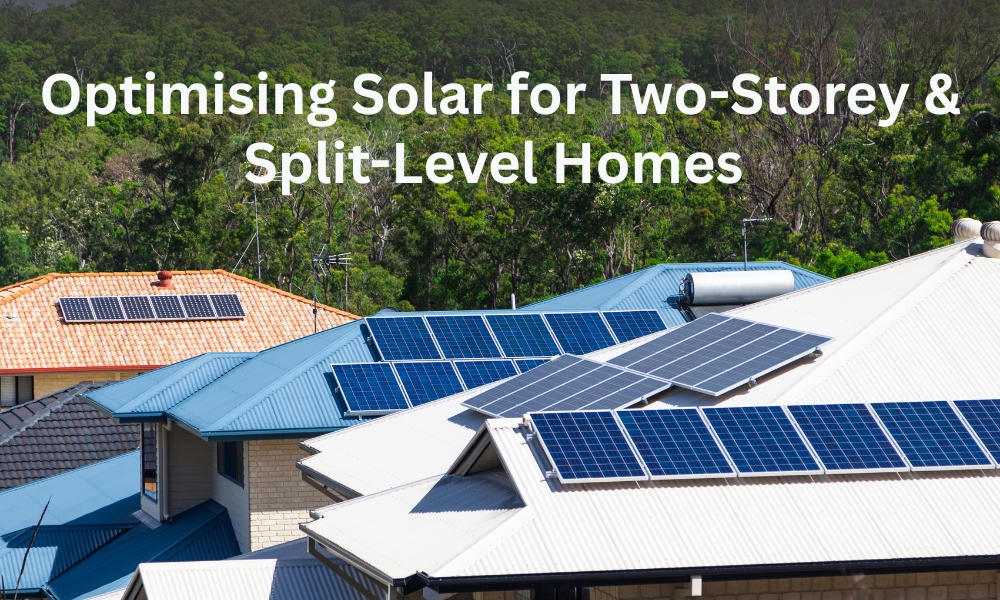
Australia’s sunshine offers incredible potential for solar energy, but optimising solar for two-storey and split-level homes presents unique considerations. These multi-level homes, with their varied rooflines and orientations, require a thoughtful approach to solar design to maximise efficiency and cost savings. Discover how to unlock significant savings and boost your home’s energy independence.
Why multi-level homes need special solar design
Multi-level homes often have complex rooflines, different elevations, and varying orientations. Unlike single-storey houses with broad, flat surfaces, these designs introduce obstacles that can reduce solar panel performance.
Shadows cast by upper levels, chimneys, or nearby structures may reduce sunlight exposure. A tailored solar design takes these challenges into account, ensuring panels are positioned for maximum solar panel efficiency.


Key solar challenges for two-storey and split-level Homes
When planning solar for two-storey and split-level homes, several challenges stand out:
- Roof space limitations
- Upper levels may reduce the usable roof area for solar panels.
- Split-level designs often create fragmented spaces that complicate layout.
- Shading issues
- Taller rooflines and structural elements can cause shading across panels.
- Shading significantly impacts performance if panels are connected without microinverters.
- Orientation differences
- Different roof faces may have varying angles and directions.
- North-facing panels are optimal in Australia, but east and west placements may be required on multi-level homes.
- Wiring complexity
- Running cables between multiple levels requires more planning and installation expertise.
- Longer cabling can result in energy losses if not appropriately designed.
Smart solar design solutions for multi-level homes
Optimising solar design for multi-level homes requires creativity and technical precision. Professional installers carefully assess site conditions before recommending solutions.
1. Roof layout analysis
A solar installer will evaluate all roof planes to determine the best spots for panels. Combining multiple orientations can spread energy production throughout the day, reducing reliance on the grid.
2. Microinverters and power optimisers
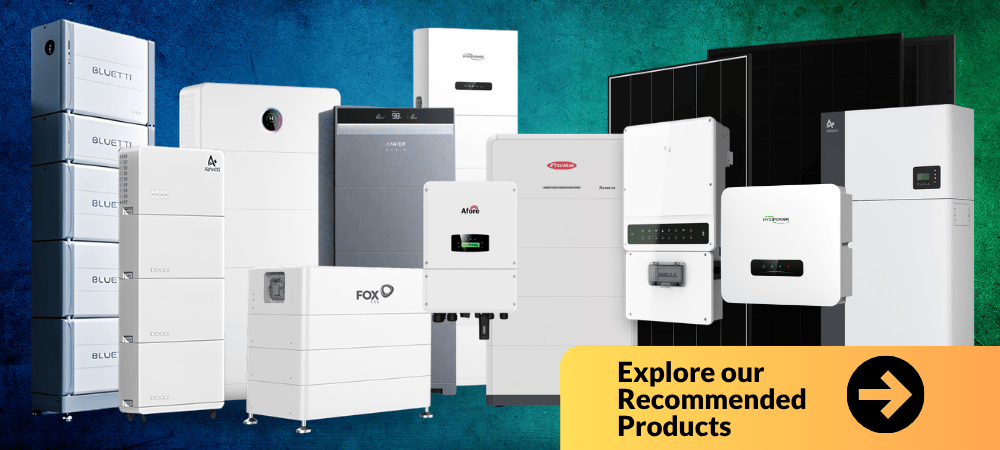
For homes prone to shading, microinverters or DC optimisers ensure each panel works independently. This prevents one shaded panel from reducing the output of the entire system. Visit our page for our recommended solar inverter products.
3. Split arrays for split-level homes
Panels can be installed across different roof sections and connected into a single system. A customised inverter setup ensures efficiency even when roof angles vary.
4. Solar battery storage solutions
Adding a solar battery storage system helps capture excess energy, especially when production fluctuates due to shading or roof limitations. Storage ensures reliable power for evenings and cloudy days.
Check our page for our recommended solar battery products.




Solar batteries: A smart addition for multi-level homes
Solar batteries are particularly beneficial for households with varying daily consumption patterns. Multi-level homes often house larger families, meaning evening energy use is higher.
With a solar battery, excess energy generated during the day is stored and used at night. This ensures you make the most of your system, rather than exporting surplus power at low feed-in tariffs.
Use Energy Matters’ easy-to-use solar power and battery storage calculator to determine the size of your solar system with storage! Our solar calculator will generate performance information and potential savings.
We can send this information to 3 of our pre-vetted and trusted local installers in your area to receive obligation-free solar quotes and take the first step towards true energy independence!

Positioning solar panels on two-storey and split-level homes
Positioning solar panels effectively is crucial for optimising energy production. For Australian conditions, north-facing panels capture the most sunlight, but east- and west-facing panels can balance generation across morning and afternoon.
In multi-level homes, installers often:
- Place solar panels on the highest roof sections to avoid shading from upper levels.
- Use tilt frames to adjust solar panel angles where roof slopes are less than ideal.
- Spread solar panels across multiple orientations to maximise overall yield.
Benefits of optimised solar design for multi-level homes
Investing in solar design tailored to two-storey and split-level homes provides significant benefits:
- Higher energy efficiency: Smart design overcomes shading and roof limitations.
- Reduced power bills: Solar panels capture maximum sunlight to lower grid dependence.
- Improved sustainability: Clean energy helps reduce your household’s carbon footprint.
- Increased property value: A well-planned solar system enhances real estate appeal.
Practical tips for homeowners with multi-level homes
Homeowners can take several steps to prepare for solar installation and ensure the best outcomes:
- Conduct a roof assessment
- Check for obstructions like skylights, chimneys, or vents.
- Identify areas prone to shading from trees or taller structures.
- Consult a professional solar designer
- Choose experienced installers who are familiar with two-storey and split-level homes.
- Ask about system designs with microinverters for shading management.
- Plan for future expansion
- Consider your long-term energy needs, especially if you plan to add electric vehicles or appliances.
- Ensure your system can be expanded with more solar panels or batteries.
- Evaluate solar incentives
- Take advantage of Australian solar rebates and state-based incentives.
- These reduce upfront costs and improve return on investment.

Why professional solar installation matters
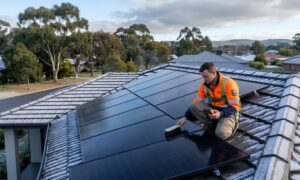
DIY solar is never recommended, especially for two-storey and split-level homes. Complex wiring, roof heights, and design considerations necessitate the expertise of trained professionals. A certified installer ensures compliance with Australian standards, optimal efficiency, and system longevity.
Choosing the right solar partner for your elevated home
Optimising solar for two-storey and split-level homes in Australia requires careful consideration of architectural complexities, shading, and structural integrity. By leveraging advanced solar design techniques, microinverter technology, and strategic panel placement, these homes can achieve significant energy savings and environmental benefits.
Ready to transform your elevated home into a solar powerhouse? By choosing Energy Matters, you gain access to trusted solar professionals who provide detailed solar design tailored to your property’s unique features. Contact Energy Matters today for a no-obligation quote and start your journey towards energy independence!