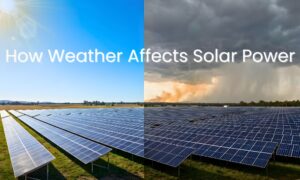



When the temperature drops and cloudy days roll into Melbourne, Sydney, or Adelaide, it is easy to blame the season for your high electricity bills. Many homeowners assume that winter is the main enemy of solar panel efficiency in Australia, believing that cold weather automatically stops power production. However, this is a common misconception that causes people to overlook the real issues. Winter conditions do reduce daylight hours, but the season itself is rarely the primary culprit behind a sudden drop in energy output.
In reality, your solar system might be struggling with entirely different, hidden performance problems that have nothing to do with the winter chill. If you want to stop wasting money and maximise your savings, you need to look closer at your setup. Let’s dive into why winter isn’t the real enemy and what is actually draining your solar power.
Why does winter take the blame for solar performance
Shorter days and a lower sun angle do reduce output a little during winter. That part is normal, expected, and not a fault at all. The real problem is that many households blame every dip in solar performance on the cold months, even when the true cause lies elsewhere entirely.
This habit lets bigger issues slide under the radar for years. A panel covered in grime or a faulty inverter will continue to drag down solar performance long after winter ends and the days get longer again. If your bills stay stubbornly high through summer too, winter was never the real culprit behind your falling solar performance.
It helps to know what a normal seasonal dip actually looks like. Across most of Australia, winter generation typically sits 20 to 40 per cent below summer output, depending on your state and panel orientation. Anything beyond that range points to a separate solar performance problem worth investigating.
The real causes of poor solar performance in Australia
Solar performance problems usually trace back to one of these everyday issues, not the season at all.
1. Dust, dirt, and bird droppings
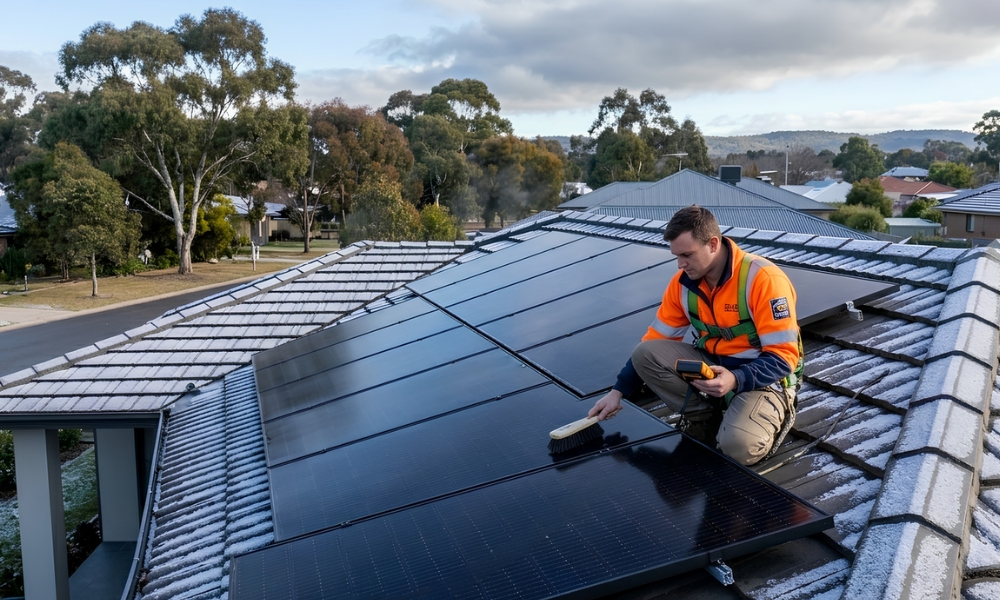
Australian roofs collect dust, pollen, smoke residue, and bird droppings fast, especially near farms, bushland, or busy roads. A steady layer of grime can cut solar performance by 5 to 25 per cent, depending on buildup. Most owners never notice because the loss happens gradually, month after month.
2. Shading from trees and buildings
A small shadow from one tree branch or a neighbouring roofline can disproportionately affect solar performance across an entire panel string. Older systems without panel-level optimisers or microinverters lose output from every panel in the string, not just the one in shade.
3. Ageing or faulty inverters
The inverter converts the DC power from your panels into usable AC electricity for your home. A tired or faulty inverter is one of the most common hidden drains on solar performance, and many keep running for years past their prime before anyone notices the drop in output.
4. Incorrect system sizing
A system sized for your old appliances may struggle to keep up with a household that now runs air conditioning, an EV charger, and a heat pump all at once. Undersized systems show flat solar performance no matter how strong the sunshine, simply because demand has outgrown supply.
Ready to upgrade your appliances and take your energy savings to the next level? Energy Matters believes that understanding and utilising these new energy ratings in Australia is a crucial step towards a greener home. By prioritising home appliance efficiency, you can reduce your energy bills and minimise your environmental footprint.
Energy Matters recommends switching to energy-efficient appliances now for smarter savings and a more environmentally friendly lifestyle.
5. Poor monitoring and no real data
Without a monitoring app or smart meter data, most households have no real idea what normal solar performance looks like for their specific system and panel count. Problems quietly go unnoticed for months, sometimes years, costing real money the whole time.
6. Battery and grid export limits
If you have a home battery storage system or live somewhere with strict grid export limits, your system may be curtailing output deliberately to protect the local network. This isn’t a fault, but it does change how much solar performance you actually see reflected on your power bill.
Use Energy Matters’ easy-to-use solar power and battery storage calculator to determine the size of your solar system with storage! Our solar calculator will generate performance information and potential savings.
We can send this information to 3 of our pre-vetted, trusted local installers in your area so they can provide obligation-free solar quotes and take the first step toward true energy independence!

7. Dirty or damaged DC isolators and wiring
Heat, moisture, and corrosion can degrade connections over time, creating resistance that quietly chips away at solar performance. This is harder to spot visually, which is exactly why annual inspections matter.
Solar performance myths vs facts
A quick reference to separate normal seasonal change from a genuine solar performance problem.
| Myth | Fact |
| Winter always explains low solar performance. | Winter only accounts for a 20–40% seasonal dip. Bigger drops point to dust, shading, or a faulty inverter. |
| Rain keeps the panels clean enough. | Light rain helps a little, but it rarely shifts bonded grime, pollen, or bird droppings. |
| A bigger battery fixes poor solar performance. | A battery stores existing output more efficiently. It doesn’t fix dirty panels, shading, or a failing inverter. |
| Solar systems never need maintenance. | Most providers recommend a professional cleaning and inspection every 12 months to protect solar performance. |
| Cloudy days mean zero solar performance. | Panels still generate power in diffuse light, often 10–25% of clear-sky output, just not zero. |
How to check your solar performance yourself
Checking solar performance does not require calling an electrician straight away. Start with these simple, practical steps.
- Compare your current-generation data with the same month last year, not just last month, to account for seasonal changes.
- Check your inverter app or monitoring portal for fault codes, error messages, or any unusual gaps in the data.
- Check panels visually for dust, leaves, or shading at different times of the day, especially mid-morning and mid-afternoon.
- Review your power bill for a sudden, sustained drop rather than a normal, gradual seasonal dip.
- Confirm that your system size still accurately reflects your household’s current energy use and appliance mix.
If solar performance has dropped by more than 15 per cent compared with the same period last year, something other than the weather is almost certainly involved.
Boosting solar performance all year round
A few proactive habits protect solar performance long after your panels go up on the roof.
- Book a professional clean and inspection once a year, more often if you live near dusty roads, farmland, or bushfire smoke zones.
- Trim overhanging branches before they start shading panels, rather than after solar performance has already dropped.
- Upgrade an old inverter before it fails completely, rather than waiting for a costly outage.
- Add a home battery storage system to capture more of the solar performance your panels already generate during the day.
- Check whether a Virtual Power Plant (VPP) or current solar rebate could offset the cost of fixing or upgrading your system.
- Use the free solar and battery calculator or get a free solar quote if your system is more than seven years old or was originally sized for a different household.
- Pair your system with an EV charger to use more of your self-generated solar power rather than exporting it cheaply to the grid.
Powering up your EV with solar
If you’re thinking of buying an EV, adding an EV charger to your solar system is a smart way to “fuel” your car with clean, renewable energy.
When to call in the solar experts
Some solar performance issues are easy to spot but harder to fix safely without the right training. Faulty inverters, wiring faults, and rooftop work all carry real risk if handled without proper equipment.
A licensed solar provider can run proper diagnostics, benchmark your solar performance against the expected output for your exact panel type and orientation, and recommend whether a repair, an upgrade, or a full system review makes the most sense for your home.
Energy Matters can help you connect with trusted, accredited solar professionals across Australia. We partner with Solar Service Guys, who can perform solar system health checks.
Quick questions on solar performance
Does rain clean my panels enough on its own?
Light rain helps a little, but it rarely removes the bonded grime, pollen, and bird droppings that build up over months and quietly reduce solar performance.
Will a bigger battery fix poor solar performance?
A battery stores existing output more efficiently, but won’t fix a dirty panel, faulty inverter, or undersized array. Diagnose the real cause first, then consider a battery upgrade.
How often should I get my system checked?
Most providers recommend a professional cleaning and inspection every 12 months to catch solar performance issues early, before they become expensive.
The bottom line
Stop blaming the winter season for your system’s poor performance this year. True solar panel efficiency in Australia depends on high-quality hardware, proper positioning, and regular system maintenance. By addressing the real culprits like shading, dirty panels, and aging inverters, you can enjoy strong energy yields all year round. Take control of your power bills today and ensure your solar investment works exactly the way it should.
Is it time for a system upgrade?
If your system is more than a decade old, maintaining it might feel like throwing good money after bad. Older solar technology simply cannot compete with the efficiency ratings of modern tier-one panels. Upgrading to a contemporary system ensures you capture every drop of available Australian sunshine.
Ready to reclaim your energy independence and stop stressing over winter performance? Energy Matters can connect you with trusted, local solar experts who will assess your home’s unique energy needs. Receive up to three obligation-free solar quotes today to compare the best systems for your roof. Let the professionals help you maximise your savings and restore your power.