



Australia’s energy landscape is shifting faster than ever. Rooftop solar is now a staple in suburban streets, and batteries are quietly turning homes into miniature power stations. But there’s another kind of energy hiding in plain sight, one that doesn’t come from panels or inverters, but from the way you use power every day.
Every household has flexibility built in. When you decide to delay the dishwasher, turn down the air conditioner, or charge your electric vehicle (EV) at midday instead of in the evening, you’re doing more than trimming your bill. You’re helping the grid stay balanced during periods of high demand and low renewable generation.
This is known as demand response, the art of adjusting when and how we use electricity to maintain system stability. Big businesses already get paid for doing it. For most homeowners, it’s an invisible contribution that goes unrewarded. But as technology and policy evolve, that’s starting to change, and your everyday choices could soon hold more value than you think.
The big players are already cashing in
While homeowners quietly shift when they use power to save a few dollars, big industrial users are already being paid to do the same thing on a massive scale. Under the Wholesale Demand Response Mechanism (WDRM), factories, data centres, and other energy-intensive businesses can earn money by reducing their power use during times when the grid is under pressure. When demand spikes, these large customers agree to temporarily cut back — a “negawatt” of saved energy that helps the market avoid expansive peaking generation.
The idea is sound: fewer blackouts, lower wholesale prices, and better use of renewable energy. But the system is built for big players. To take part, businesses need specialist metering, detailed consumption data, and the ability to prove their reductions in real time. For smaller consumers, those technical and financial hurdles are simply too high.
That’s why, even as the WDRM expands, everyday households remain excluded. The market rewards scale, not agility, even though millions of homes with solar, batteries, and smart devices already have the potential to offer the same kind of flexibility. The grid might be changing, but the rulebook still hasn’t caught up.


What flexibility looks like in your household
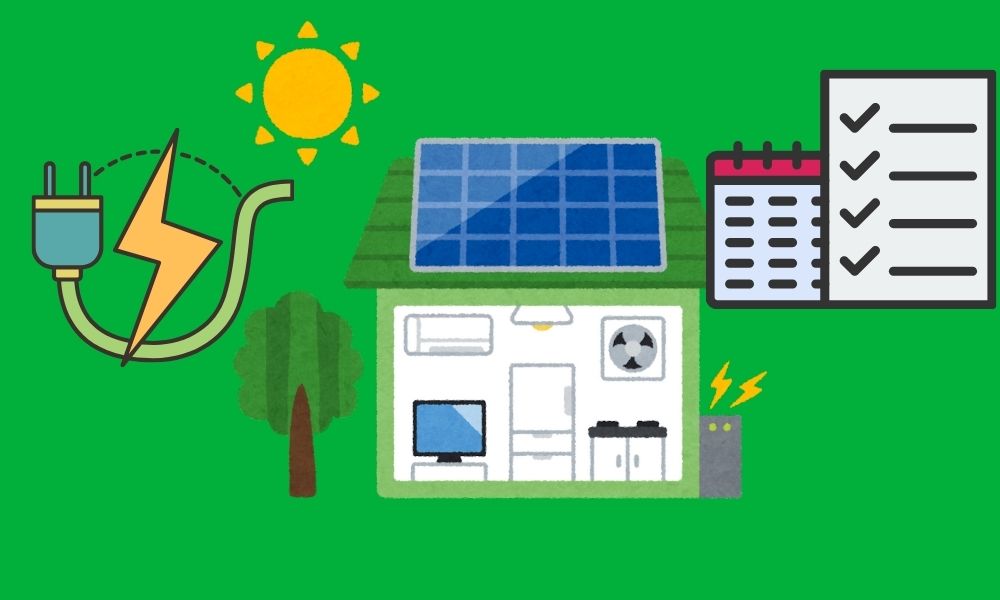
You don’t need an industrial facility or a trading desk to make a difference. Every home has hidden flexibility. It just takes a bit of awareness to see it. Think about the moments when you shift your habits without even realising it. Running the washing machine at lunchtime instead of at night. Letting your pool pump rest through the afternoon peak. Setting your EV charger or hot water system to kick in when your solar panels are working hardest. These are all small, natural examples of demand response.
Each of these decisions helps balance the grid in real time. When thousands of homes delay power-hungry appliances by an hour or two, the effect is the same as taking a small power station offline, minus the emissions. And when that timing lines up with your own solar generation, you’re not just easing pressure on the grid, you’re squeezing more value from your system.
With the rise of smart meters, connected plugs, and home energy management systems, this kind of flexibility is becoming easier to automate. You don’t need to stand by a switch or remember tariff times. Instead, your devices can quietly handle the adjustments, shaving peaks, soaking up sunshine, and keeping your energy use in sync with the wider grid.
Turning flexibility into rewards
For now, most households that use power smartly are doing it for personal savings, not because the market recognises their contribution. But that’s beginning to shift. The same kind of flexibility that’s been reserved for big industrial users is slowly finding its way into the residential space through Virtual Power Plants (VPPs) and emerging energy-sharing programs.
A VPP links together thousands of solar and battery systems so they can operate like a single, flexible power source. When the grid needs support, the operator can draw a small amount of stored energy from each connected home, or adjust when those batteries charge and discharge. Homeowners, in return, receive bill credits or direct payments for participating. South Australia (SA) and New South Wales (NSW) are already seeing success with these models, and other states are expected to follow.
Beyond VPPS, regulators are also exploring new frameworks that could one day allow smaller consumers to formally participate in demand response markets. The Australian Energy Market Commission’s review of the Wholesale Demand Response Mechanism hinted at a future pathway to households under the upcoming Voluntary Scheduled Resource (VSR) framework, a model designed to open the door for aggregated small-scale flexibility.
It’s early days, but the direction is clear: the energy system is moving from a one-way supply model to a two-way exchange, where homeowners aren’t just consumers, but partners in balancing the grid. The challenge now is making sure the rewards catch up to the contribution.
How to prepare your home now
Even if the official market isn’t ready for household demand response, there’s plenty you can do today to position your home for the coming shift. The key is to think like a mini energy manager, making small upgrades and smarter choices that set you up to benefit when flexibility finally pays.
Start with your energy plan. If you’re still on a flat rate, it may be time to explore time-of-use tariffs that reward you for running appliances when demand is low. With solar, that usually means using as much power as possible during daylight hours, then letting your battery or off-peak tariff handle the evenings.
Next, automate what you can. Smart plugs, home energy monitors, and inverter apps can schedule energy use automatically, making sure power-hungry devices like washing machines, hot water systems, or pool pumps run when your solar output is highest. It’s the simplest way to reduce waste and make your system more self-sufficient.
If you already have a battery, look into joining a VPP. Many providers, including Tesla, sonnen, and Redback, and Amber Electric, offer programs that give you credits or payments in exchange for sharing stored power during peak times. It’s a practical first step into the demand response world, and you’ll stay ahead of future market changes.
Finally, keep your system data-ready. Ensure your inverter, battery, and smart meter can communicate with monitoring platforms. The more transparent your energy data, the easier it’ll be to join new flexibility programs when they launch. Small steps now mean your home will be ready to earn as the grid evolves.
Why this matters
As renewables grow, so does the need for homes and businesses to adapt their consumption to match changing supply—sunny afternoons, windy nights, or quiet, still days. When your home becomes part of that rhythm, it makes the entire system more stable, affordable, and sustainable.
For homeowners, the benefits go well beyond a smaller bill. Smart energy use stretches your solar investment further, improves battery performance, and shields you from volatile peak prices. When you learn to align your habits with your own generation, you’re effectively using more of your power on-site, reducing your reliance on the grid and making the most of every kilowatt your panels produce.
For the grid, those same decisions add up to resilience. If thousands of households delay heavy appliance use by just an hour or two, it can smooth demand peaks, cut the need for gas generation, and help prevent blackouts. That stability, in turn, allows more renewable energy to be integrated safely and efficiently.
Your flexibility is your future value
Australia’s energy future won’t be shaped by power stations alone. It’ll be built by households making smarter choices every day. Each time you shift, store, or share energy, you strengthen the grid and your own independence. The market may not reward it yet, but your flexibility is already part of what keeps the lights on.
Energy Matters has been in the solar industry since 2005 and has helped over 40,000 Australian households in their journey to energy independence.
Complete our quick Solar Quote Quiz to receive up to 3 FREE solar quotes from trusted local installers – it’ll only take you a few minutes and is completely obligation-free.