




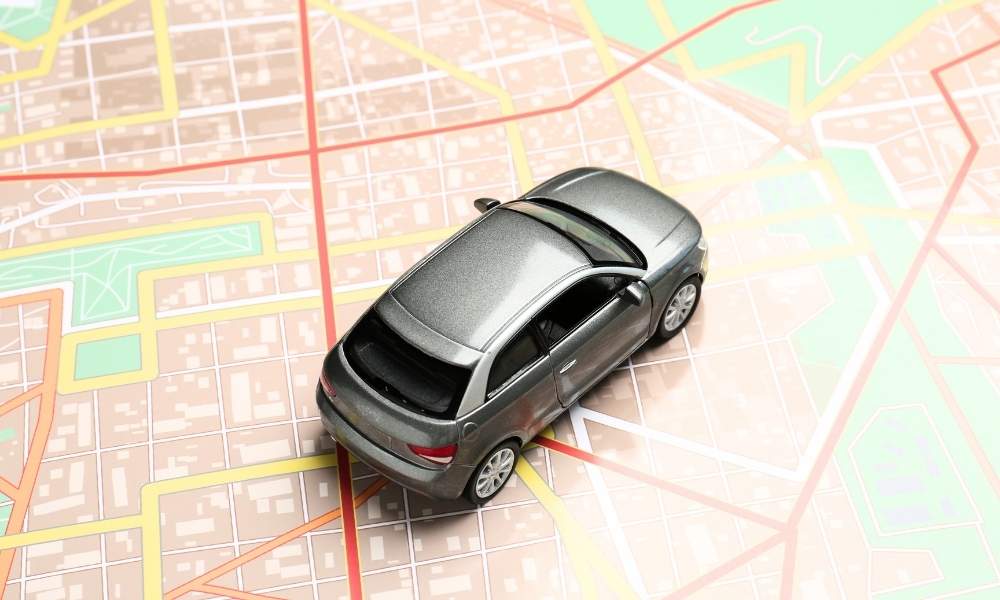
It’s a short trip… a quick drive to the shops, a school drop-off, a run for coffee, a stop at the chemist. The engine starts, the car moves a few kilometres, and within minutes it’s switched off again. It feels insignificant compared to the long drives we usually associate with fuel use.
However, the small trips happen every day. And for many households, they add up to one of the most regular ways petrol is burned without much thought. After electrifying so many parts of the home, the shortest journey of the day is often where fossil fuels quietly remain.
Most car trips are shorter than people think
When people think about driving, they usually picture longer journeys – commutes across town, weekend trips, or holidays on the highway.
In reality, a large share of everyday driving happens over much shorter distances. School drop-offs, grocery runs, pickup of takeaway, and visits to nearby shops. Many of these trips take only a few minutes and cover just a few kilometres.
Because they’re so routine, they rarely feel like significant fuel use. But when those short drives happen day after day, week after week, they quietly become one of the most consistent ways petrol is burned in everyday life.




Petrol engines are least efficient on short trips
Ironically, the shortest drives are where petrol engines perform the worst. When a car starts from cold, the engine needs time to reach its normal operating temperature.
During those first few minutes, fuel consumption is higher, and efficiency is lower. If the trip ends before the engine has fully warmed up, much of the fuel burned during that drive goes into simply getting the engine started and moving.
That means quick errands can use disproportionately more fuel than people realise. The car may only travel a few kilometres, but the engine still goes through the same start-up process every time.
Over weeks and months, those repeated cold starts can account for a significant share of household petrol use.
The electric alternatives people overlook
For many short trips, a car isn’t the only option. Several alternatives can cover these everyday distances without starting a petrol engine.
- E-bikes: Ideal for trips of a few kilometres, such as school drop-offs, grocery runs, or commuting locally. The electric assist makes hills and longer distances much easier than a standard bike.
- E-scooters: A convenient option for quick errands or short urban trips. They’re compact, easy to store, and recharge quickly at home.
- Walking: Many errands that feel like a “quick drive” are often closer than people realise, especially in suburban neighbourhoods.
- Electric vehicles (EVs): For households that prefer using a car, an EV removes petrol from everyday driving. Instead of fuel, the vehicle runs on electricity that can be charged at home.
Why this matters if you have solar
Short trips may not use a lot of fuel individually, but they happen often. Over time, those repeated drives become a steady stream of petrol use.
For those with solar, electricity transport offers a different possibility. Charging an e-bike, scooter, or EV during the day can draw directly from the electricity your roof is already producing.
Instead of buying petrol from the servo, you’re using energy generated at home to power everyday travel. Even small trips begin to fit into the same pattern as the rest of an electric household.


The top brands in Australia
Electric bikes, scooters, and vehicles are now part of the mainstream ranges from brands people already recognise in cycling and transport.
- Trek: A well-known cycling brand offering a wide range of e-bikes designed for commuting, errands, and everyday riding.
- Giant: One of the largest bike manufacturers in the world, with electric models that are widely available through Australian bike retailers.
- Specialised: Known for high-quality bikes and a strong lineup of e-bikes designed for both urban riding and longer distances.
- Segway: A familiar name in electric scooters, offering models suited to short urban trips and quick errands.
- Ninebot: Popular for compact e-scooters that are easy to charge and store at home.
These options reflect the broader shift in transport. Electric mobility isn’t limited to cars. For many short journeys, smaller electric vehicles are becoming a practical alternative.
When the car still makes sense
May trips will still require a car. Longer journeys carrying passengers, transporting groceries or equipment, and travelling during bad weather are all situations where driving remains the most practical option.
Cars are built for range, comfort, and flexibility in ways smaller transport options can’t always match. The point isn’t that every trip should change. It’s that many short journeys are made out of habit rather than necessity.
Once you start noticing how often the car is used for very short distances, it becomes easier to decide which trips actually need it.
The shortest trip can burn the most fuel
The irony of short drives is that they often burn fuel in the least efficient way.
Starting a petrol engine for a quick errand means the car goes through the same warm-up process every time, even if the journey only lasts a few minutes. Over time, those repeated starts can add up to a surprising share of household fuel use.
After electrifying so many parts of the home, it’s easy to assume the biggest fossil-fuel habits are behind you. But sometimes they’re hiding in the smallest journeys of the day.
For many households, the next step in reducing fossil fuel use isn’t another appliance. It’s simply rethinking the shortest trip.
Energy Matters has been in the solar industry since 2005 and has helped over 40,000 Australian households in their journey to energy independence.
Complete our quick Solar Quote Quiz to receive up to 3 FREE solar quotes from trusted local installers – it’ll only take you a few minutes and is completely obligation-free.