




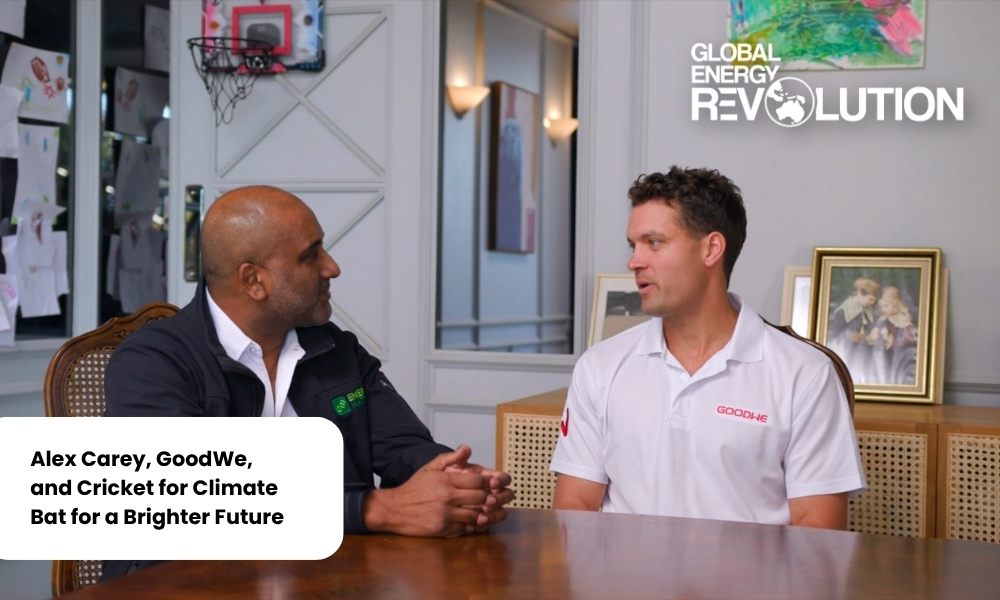
Alex Carey knows the value of preparation. Behind the stumps, with the bat, and now at home, making the right decisions early matters.
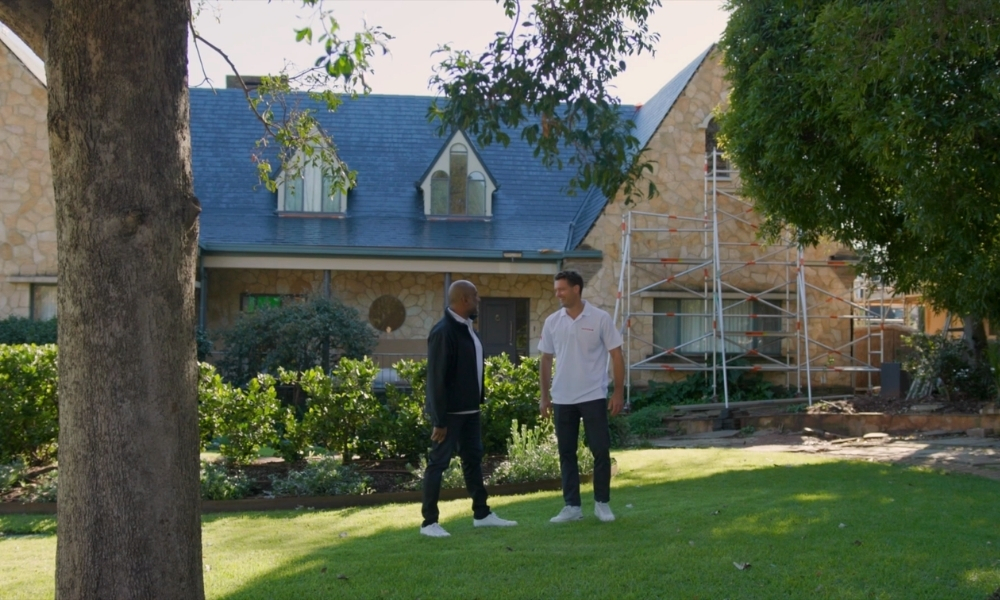
During a visit featured in Global Energy Revolution Season 2, the Australian cricketer welcomes Roshan into his Adelaide home renovation. There is still work underway, but one important part of the project has already taken shape: solar and battery storage.
For Alex, a GoodWe ambassador, renewable energy was an early priority.
The episode then takes that conversation beyond the family home and onto the cricket ground. At Karen Rolton Oval, Alex joins GoodWe, Cricket for Climate, and the South Australian Cricket Association to explore the sport’s future.
Together, these stories reveal how energy choices can support households, strengthen communities, and help protect the opportunities cricket creates.
There is plenty happening behind the scenes, and this time, the scoreboard only tells part of the story.
TL;DR: From home energy to cricket’s future
- Alex Carey has installed solar and a GoodWe ESA all-in-one battery system as part of his Adelaide home renovation.
- Battery storage helps households use solar electricity beyond daylight hours, with backup capability and monitoring adding further benefits.
- Cricket for Climate brings players, communities, and partners together to help the sport respond to climate challenges and energy costs.
Inside Alex Carey’s solar-powered renovation
Home renovations have a habit of delivering surprises. Alex describes his own project as “controlled chaos”, something many Australian renovators will understand.
Yet while other work continues, solar panels are already on the roof and the batteries have been installed.
Asked about the decision, Alex explains:
“Well, that was the first thing that we went to was renewable energy and making the house run itself.”
It is a useful insight into his priorities.
Energy was part of the renovation’s foundations, considered alongside the decisions shaping how the home would function.
Combining solar generation with battery storage creates opportunities to use more electricity produced onsite. It can also reduce reliance on purchased electricity and provide backup support during outages.
For Alex, the appeal includes knowing renewable energy will play a practical role in everyday family life.
What battery system has Alex Carey installed?
Alex has installed a GoodWe ESA all-in-one energy storage system alongside rooftop solar.
During the episode, Roshan identifies eight battery modules and describes the installation as providing more than 70 kWh of storage.

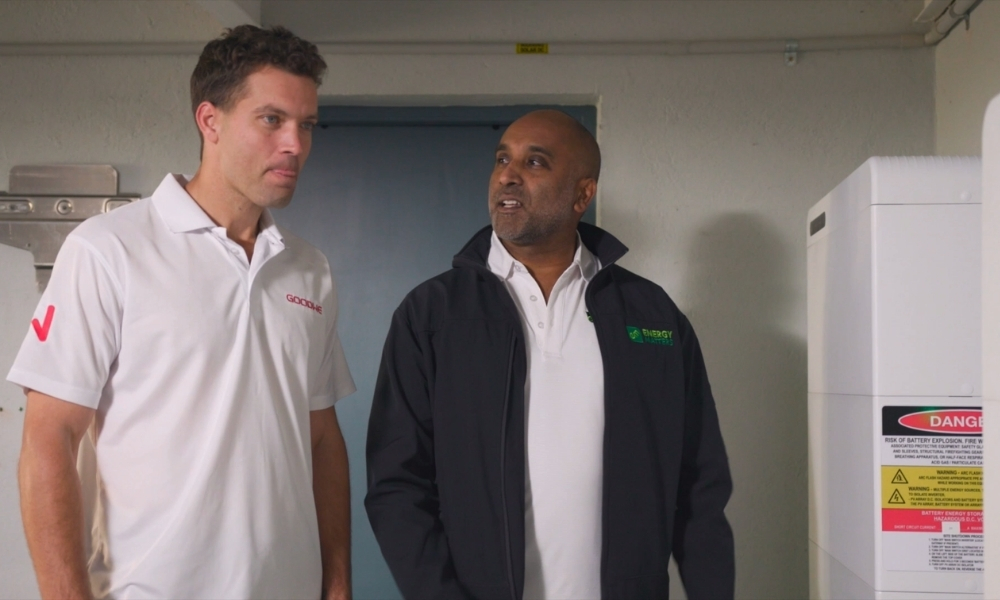
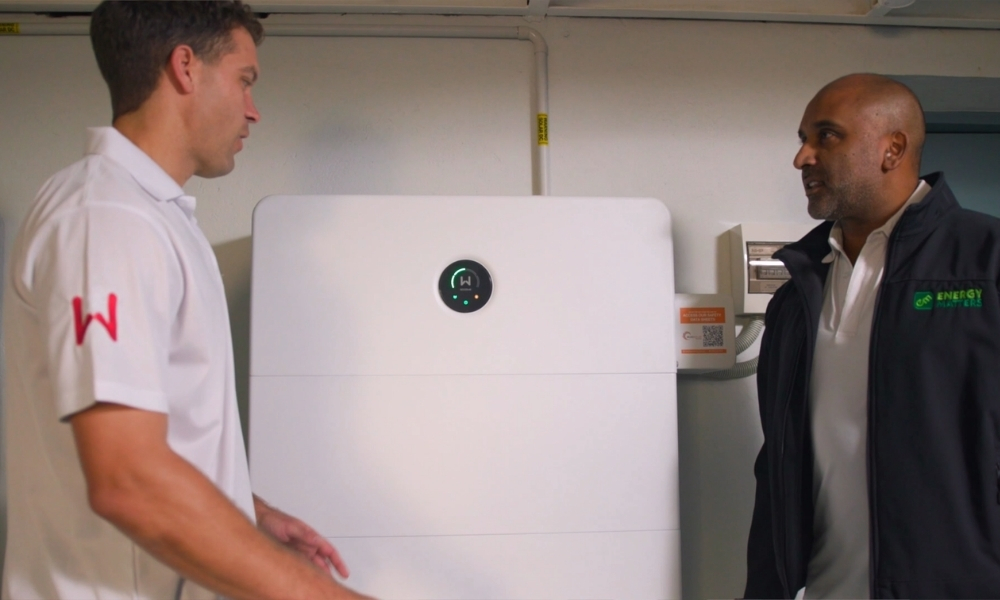
That represents a substantial home battery installation.
The system brings together the equipment needed to manage solar generation, store electricity, and supply household loads.
Rather than treating solar and batteries as separate purchases, an integrated system coordinates how those parts work together.
How the GoodWe ESA works
The GoodWe ESA combines a hybrid inverter and modular battery storage within an integrated design. GoodWe offers the ESA platform in single-phase and three-phase configurations.
Each part has a different job:
| Component | What it does |
| Solar panels | Generate electricity from sunlight |
| Hybrid inverter | Manages electricity conversion and flows between solar, batteries, the home, and the grid |
| Battery modules | Store electricity for use later |
| Monitoring | Helps homeowners understand generation, battery charge, and energy use |
During daylight hours, solar can supply household appliances and charge the battery with available surplus generation.
Later, stored electricity can help supply the home when solar production falls. This makes battery storage particularly useful for households whose electricity use continues into the evening.
Dinner, lighting, entertainment, and other activities often happen after the strongest solar generation has passed. Storage helps connect those two parts of the day.
Why modular battery storage matters
A modular battery system uses individual battery units to build the overall storage capacity. That gives system designers flexibility to match storage with a household’s needs.
Alex’s installation demonstrates a larger configuration, but every home requires its own assessment. Electricity consumption, available solar generation, budget, and future plans all influence the appropriate battery size.
A household planning electric heating, an electric vehicle, or other new appliances may have different needs from today’s usage.
The useful question is how much storage your home can regularly put to work. A larger battery provides more capacity, but it also needs sufficient charging opportunities and a clear purpose.
Get FREE Quotes for a GoodWe system
Backup power and a connection to home
During the visit, Roshan also highlights blackout protection and the ability to check the system through an app. These features bring the conversation back to everyday convenience.
Backup capability can help maintain power when the grid fails. Its operation depends on the installed configuration, available battery charge, and the appliances drawing electricity.
Battery capacity alone does not guarantee a particular number of hours or days of backup. A home using modest amounts of electricity will draw down its battery differently from one running several large appliances.
For Alex, who regularly travels for cricket, monitoring offers another practical benefit. Checking the system remotely provides a connection to what is happening at home, including the battery’s charge status. It makes energy more visible, even when the homeowner is a long way from Adelaide.
Why Alex’s installation matters beyond his home
A high-profile installation can introduce solar and batteries to people who have never considered how they work together. Alex’s experience makes that conversation relatable. He is navigating a renovation, thinking about family life, and making decisions intended to benefit the home over time. The technology serves those priorities.
At home, it can provide greater control over electricity. Within community organisations, it can help reduce ongoing costs.
On the cricket ground, those same principles open another conversation.
Cricket for Climate: Protecting the game people love
At Karen Rolton Oval in Adelaide, Roshan joins GoodWe’s John Wright to explore cricket’s role in the energy transition.
They meet Alex, Cricket for Climate CEO Joanne Baldwin, and Andrew Sweet from the South Australian Cricket Association, known as SACA.
The discussion moves from individual households to the facilities and communities supporting the sport.
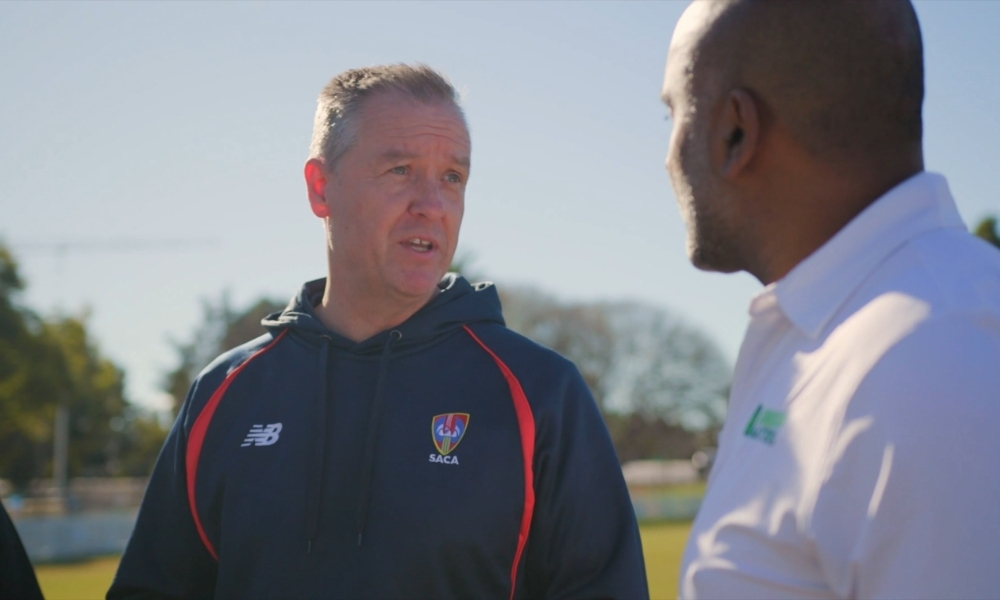
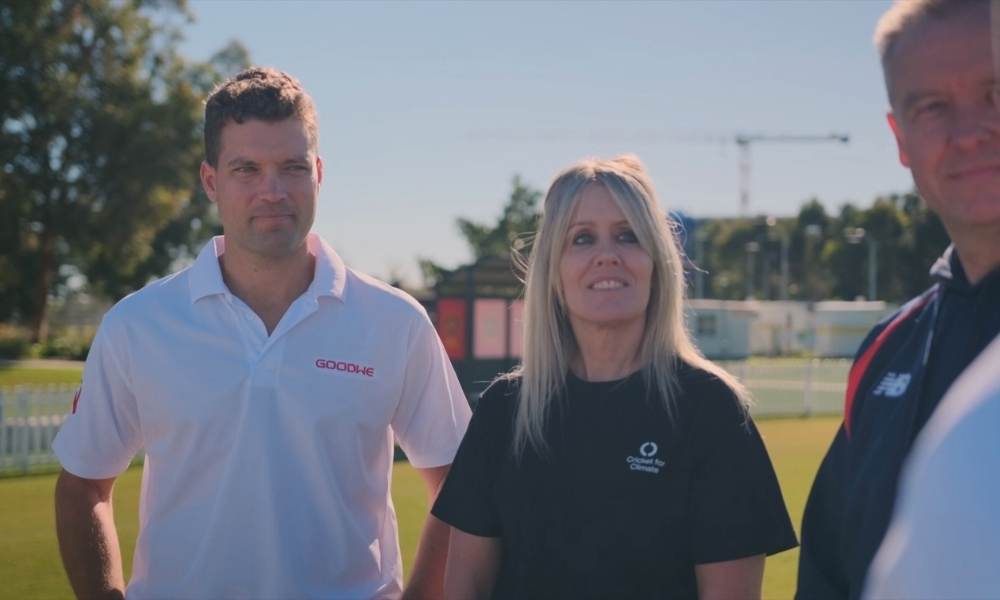
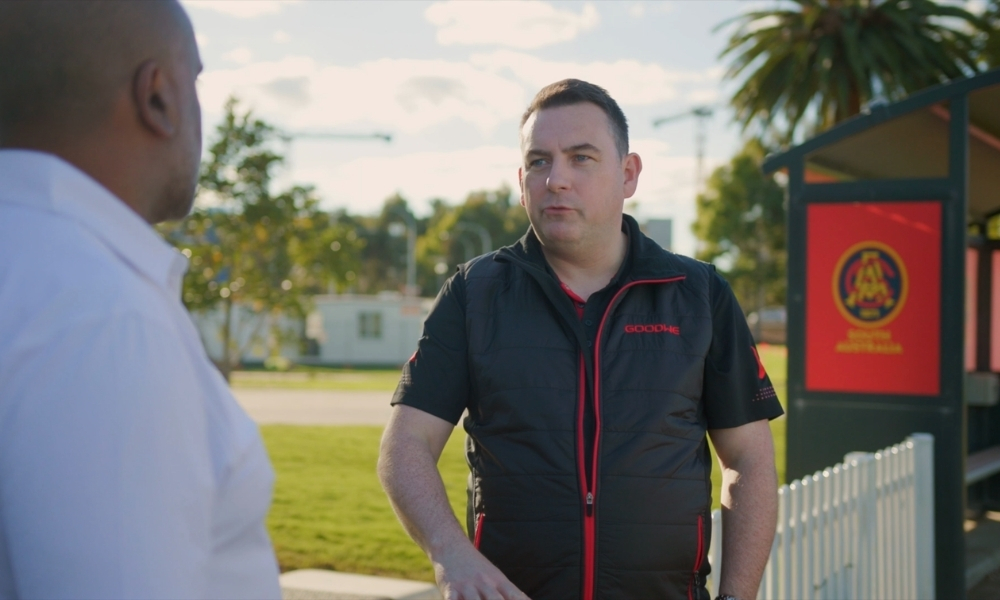

Cricket for Climate is a player-led movement founded by Pat Cummins. It brings together cricketers, businesses, governments, and the sporting community through education and practical climate action.
The idea has a natural connection to cricket. The game depends on outdoor conditions, suitable facilities, and families being able to participate. Extreme heat, disruptive weather, and operating costs all influence that experience.
Addressing those challenges involves protecting the conditions that allow people to keep playing.
Why energy costs matter to community cricket
Cricket clubs do much more than organise matches. They maintain facilities, support volunteers, welcome junior players, and create places where people belong. Running those activities requires money, including funding for electricity.
Clubrooms, refrigeration, lighting, and other equipment can all contribute to operating costs. Where suitable, energy efficiency and solar can help reduce electricity spending. The benefit depends on a club’s facilities, consumption patterns, and the system installed.
Lower operating costs can leave more resources available for the sport’s priorities. For Alex, that connection matters because families already face costs when getting children involved.
During the episode, he reflects on how support reaching the right places can help children participate. It is a reminder that sustainability and accessibility can share common ground.
A club better able to manage its expenses has more room to plan for its community.
A future worth preparing for
Alex’s interest in cricket’s future is personal. He wants his children and the next generation to enjoy the game he loves.
During the conversation, he discusses uncomfortable conditions, heat policies, and matches affected by bad weather. These are experiences players and families can understand without needing to follow every climate discussion.
A cancelled match affects a weekend. Difficult conditions affect participation. Repeated disruptions can change how a season feels. Cricket for Climate uses the sport’s shared connections to make those issues more tangible.
The focus is on bringing people into the conversation and identifying practical ways to respond.
Get FREE Quotes for a GoodWe system
Why collaboration matters
When Roshan asks Joanne what makes an initiative successful, her answer draws directly from the game.
“Well, it’s like cricket. It’s a team sport. You have to play as a team.”
That team includes players who can engage supporters, sporting bodies managing facilities, and communities participating at the local level.
Commercial partners and governments also have roles in supporting delivery.
During filming, the discussion includes Game On and the importance of building support across those groups. The principle is straightforward: meaningful projects require people who can contribute different things. A player can attract attention. A club understands its facilities. Technical specialists can assess options. Funding partners can help turn plans into action.
Working together connects the ambition with the practical work.
GoodWe’s role in the wider conversation
Across the home visit and cricket discussion, GoodWe’s John Wright emphasises the value of real examples. Solar and battery technology becomes easier to understand when people can see how it applies to familiar places.
Alex’s home demonstrates one application. Community and sporting projects introduce others. The requirements will differ, but the starting questions are similar. How does the site use electricity? What could be improved? Which technology would suit the people using the building?
Those questions keep the focus on outcomes.
For homeowners, that may mean using more solar electricity and adding backup capability. For sporting organisations, it may mean managing operating costs and strengthening facilities.
The equipment supports the purpose.
What homeowners can take from Alex’s experience
You do not need an international cricket schedule to think carefully about home energy.
Alex’s installation highlights several useful principles:
- Consider energy early: Renovations offer an opportunity to plan for solar, storage, and future electrical needs.
- Match storage to your household: Review electricity use and available solar before choosing battery capacity.
- Understand backup capability: Ask which appliances the proposed system can support during an outage.
- Look beyond battery size: Inverter output, installation design, and monitoring also matter.
- Plan for future changes: New appliances or an electric vehicle can affect how your home uses electricity.
A suitable installation starts with understanding the household.
The goal is a system that works well for the people living there, today and as their needs change.
From the family home to the next generation
Alex’s home installation and the Cricket for Climate conversation share a common thread: preparing for the future. At home, that means making choices about how electricity is generated, stored, and used.
In cricket, it means supporting the facilities, conditions, and communities that allow the game to thrive. Neither happens through one decision alone.
Progress comes through planning, practical action, and people prepared to contribute.
In Global Energy Revolution Season 2, Alex Carey, GoodWe, Cricket for Climate, and SACA bring those ideas onto familiar ground.
From the rooftop to the boundary rope, there is an opportunity to make the next innings a stronger one.
Explore your own solar and battery options
Thinking about adding storage or planning energy upgrades during a renovation?
Energy Matters can help you explore solar and battery options and connect with installers who can assess your home.
Compare proposals based on your electricity use, goals, and installation requirements.
Request free solar and battery quotes through Energy Matters to take the next step.
To learn more about practical climate action across cricket, visit Cricket for Climate.
Frequently asked questions
What battery does Alex Carey have at home?
Alex Carey has installed a GoodWe ESA all-in-one energy storage system alongside rooftop solar at his Adelaide home. During Global Energy Revolution Season 2, Roshan identifies eight battery modules and describes the installation as providing more than 70 kWh of storage.
How does the GoodWe ESA work with solar panels?
The GoodWe ESA combines a hybrid inverter and battery storage. Solar electricity can supply the home, with available surplus stored for later use. The inverter manages electricity conversion and energy flows, helping the household use stored electricity when solar generation no longer meets demand.
Can Alex Carey’s battery system provide blackout protection?
Blackout protection is discussed during the episode’s home visit. Backup performance depends on the installed configuration, available battery charge, and household demand. Homeowners considering an ESA should ask their installer which appliances their proposed system can support and how the backup arrangement will operate.
What is Cricket for Climate?
Cricket for Climate is a player-led movement founded by Pat Cummins. It connects cricket, communities, businesses, and governments through practical climate action. In the episode, Alex Carey and CEO Joanne Baldwin discuss collaboration, participation, and protecting opportunities for future generations to enjoy the game.
How can solar help community cricket clubs?
Solar can reduce purchased electricity when a club uses the power its panels generate. Potential savings depend on electricity consumption, tariffs, and system design. Reducing operating expenses can leave more resources available for facilities and participation, supporting the people who keep community cricket running.