




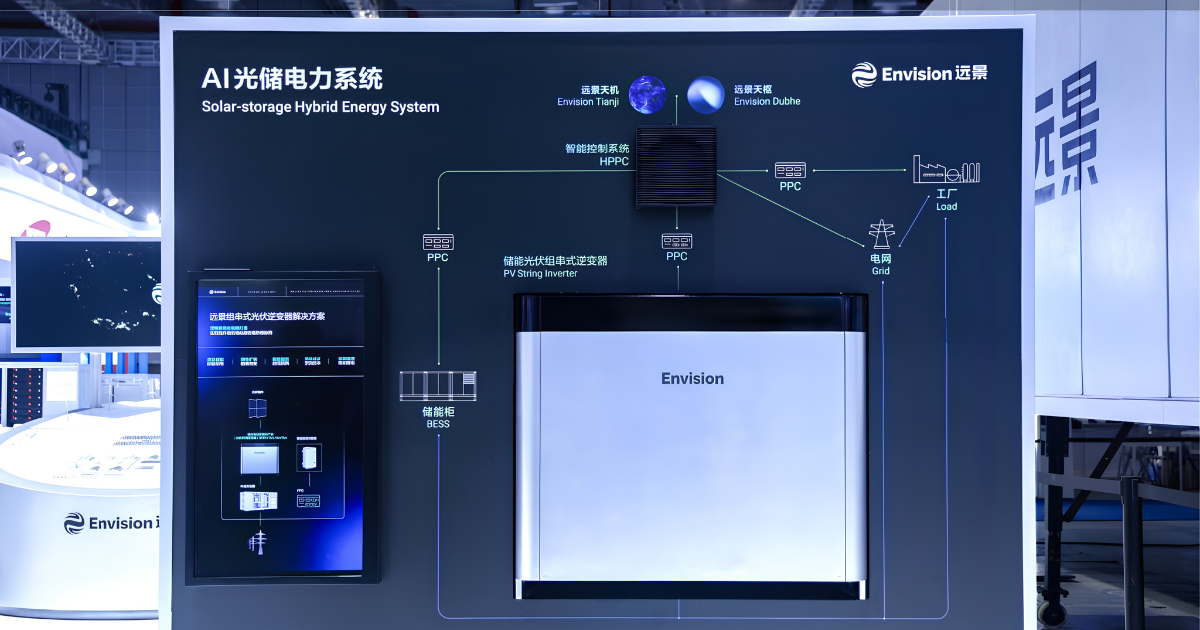
Envision Energy has unveiled an artificial intelligence (AI) powered energy system designed to help mining and smelting operations reduce electricity costs, improve reliability, and accelerate their transition away from fossil fuels.
Announced at All Energy Australia 2026 in Melbourne, the integrated solution combines wind and solar generation, battery energy storage, intelligent energy management, and alternative backup generation technologies.
The system targets one of Australia’s most challenging energy sectors: mining operations that require enormous amounts of electricity, often in remote locations with limited or no access to the electricity grid.
With Australian mining companies facing increasing pressure to reduce emissions, AI-powered energy management could help maintain productivity while improving energy efficiency
TL;DR
- Envision Energy has unveiled an AI-powered energy system at All Energy Australia 2026, designed for mining and smelting operations.
- The system combines wind, solar, battery storage, and intelligent energy management to deliver reliable electricity, particularly in remote and off-grid locations.
- Envision is targeting approximately 20% lower energy costs, more than 80% renewable electricity, and power supply reliability exceeding 99.95%.
- AI-driven forecasting and energy management help coordinate electricity generation, storage, and industrial demand in real time.
- Australian mining applications are already underway, with Envision supplying wind turbines for Fortescue’s Nullagine Wind Project in Western Australia.
- Industrial decarbonisation is the ultimate goal, helping energy-intensive industries reduce fossil fuel dependence without compromising operational reliability.
The challenge of powering Australia’s remote mining operations
Australia’s mining industry operates some of the country’s most energy-intensive facilities. From mineral extraction and processing to smelting and refining, these operations require substantial amounts of reliable electricity.
For remote mining sites, electricity generation presents additional challenges. Many facilities operate independently of the national electricity grid, relying on diesel or gas generators to maintain continuous production.
Transporting fuel to remote locations can be expensive, while fluctuating fuel prices create additional financial uncertainty. Renewable energy offers an opportunity to reduce these costs, but solar and wind generation introduce their own challenges.
Solar panels stop generating electricity at night, while wind turbines depend on changing weather conditions. Mining equipment, however, cannot simply stop operating whenever renewable generation falls.
The challenge is not just generating clean electricity. It is ensuring that electricity remains available, affordable, and reliable around the clock. Envision Energy believes its AI-powered energy system can help bridge this gap.
How Envision Energy’s AI-powered energy system works
Rather than treating renewable generation, battery storage, and backup power as separate technologies, Envision’s solution brings them together into one coordinated energy system.
At its centre is the company’s EnOS AI platform, supported by specialised weather and energy forecasting models. The platform analyses changing weather conditions, anticipated renewable generation, and industrial electricity demand to help determine how energy resources should operate.
For example, when strong solar generation is forecast, the system can coordinate renewable generation and battery charging. When conditions deteriorate, stored electricity and other available generation sources can help maintain supply.
The system supports several key functions:
- Renewable energy forecasting: Predicts expected wind and solar generation using weather and energy models.
- Electricity demand forecasting: Anticipates industrial energy requirements to support generation planning.
- Intelligent battery management: Coordinates stored energy with renewable generation and operational demand.
- Real-time energy dispatch: Adjusts electricity supply as weather conditions and industrial loads change.
- System stability and protection: Helps maintain reliable electricity delivery during sudden demand changes or network disturbances.
By coordinating these technologies, Envision aims to increase renewable energy utilisation without compromising operational reliability.
Battery storage plays a critical role in energy reliability
Battery energy storage systems (BESS) are a central component of Envision’s approach. For mining operations, batteries offer more than the ability to store surplus renewable electricity.
They can also help stabilise electrical networks, respond rapidly to changing electricity demand, and support operations during disruptions.
Envision’s system incorporates grid-forming battery technology, which can help establish and maintain the voltage and frequency needed for stable electricity supply. This capability is particularly important for remote mining sites operating without a strong connection to an established electricity grid.
The solution also incorporates wind turbines with integrated storage capabilities to help smooth fluctuations in wind generation. A seven-layer protection and control framework coordinates system stability, electricity dispatch, fault protection, and recovery.
Together, these technologies are designed to support operations across grid-connected, weak-grid, and completely off-grid environments.
Envision targets 20% lower energy costs and more than 80% renewable electricity
One of the most significant aspects of Envision’s announcement is its proposed performance targets.
Through site-specific system design and optimisation, the company aims to deliver:
| Performance measure | Envision’s target |
|---|---|
| Overall energy costs | Approximately 20% lower |
| Renewable electricity contribution | More than 80% |
| Electricity supply reliability | Greater than 99.95% |
These figures represent system design targets rather than guaranteed outcomes. Actual performance will depend on factors including local renewable resources, electricity demand, system configuration, and production requirements.
Nevertheless, the targets highlight the potential economic benefits of combining renewable generation with battery storage and intelligent energy management.
For large industrial facilities, even relatively modest reductions in electricity costs can translate into substantial operational savings.
Could green hydrogen and ammonia replace diesel backup generators?
Envision is also investigating alternatives to conventional diesel backup generation. Its proposed system includes the potential use of gas turbines fuelled by green hydrogen or green ammonia.
These fuels could provide an alternative source of dispatchable electricity when renewable generation and stored energy cannot meet demand.
Green hydrogen is produced using renewable electricity, while green ammonia can be manufactured using renewable hydrogen. However, their environmental benefits depend on how the fuels are produced, transported, and used.
Envision is exploring these technologies as part of its broader strategy to reduce reliance on fossil fuels in energy-intensive industries. The company has not announced commercial deployment details for these backup technologies within the newly unveiled system.
Envision Energy supports Fortescue’s renewable energy ambitions in the Pilbara
Envision’s involvement in Australian mining extends beyond its latest technology announcement. The company is supplying wind turbines for Fortescue’s Nullagine Wind Project in Western Australia’s Pilbara region.
The project forms part of the renewable energy infrastructure supporting Fortescue’s Real Zero strategy.
The Pilbara presents significant opportunities for renewable energy development, with extensive land availability and substantial wind and solar resources.
However, its remote location and demanding industrial electricity requirements also make energy system reliability particularly important.
Envision’s involvement in the Nullagine project demonstrates how renewable generation technologies are becoming increasingly relevant to Australia’s major mining operations.
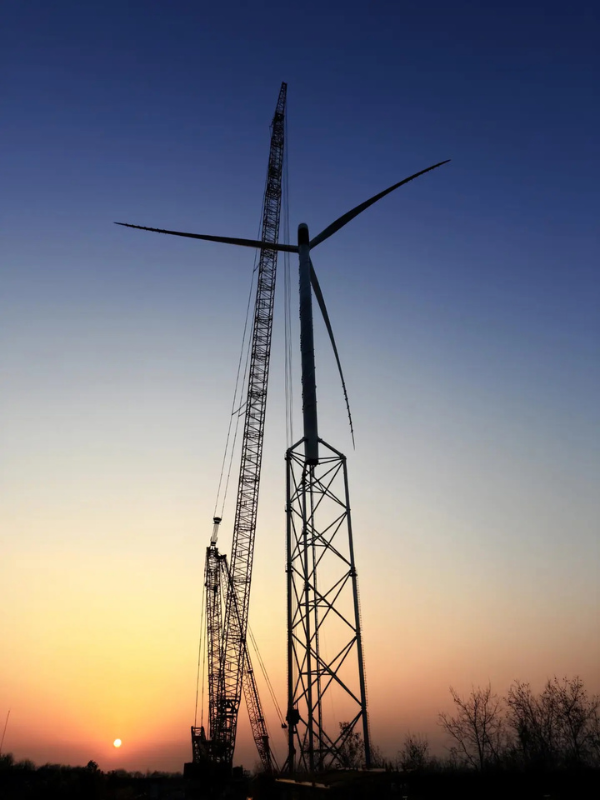
Chinese alloy project demonstrates industrial renewable energy potential
Envision has also highlighted an existing industrial energy project in Baotou, China. The project integrates wind generation, battery storage, and industrial electricity demand to support lower-emissions alloy production.
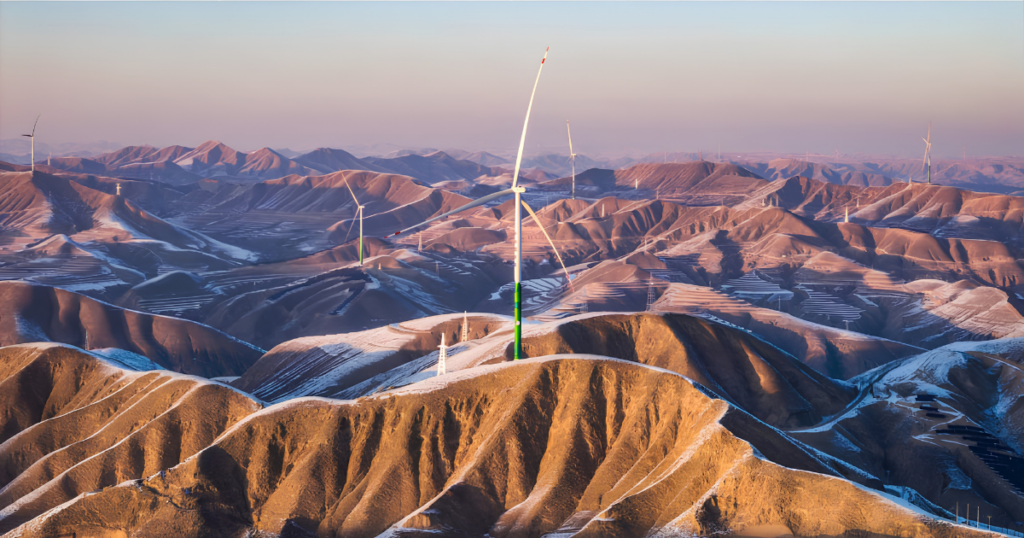
According to Envision, the facility:
- Sources more than 70% of its electricity requirements from renewable energy.
- Reduces annual carbon dioxide emissions by more than 200,000 tonnes.
- Uses integrated energy management to coordinate renewable generation, storage, and industrial demand.
The project provides an example of how renewable energy can support electricity-intensive manufacturing and mineral processing.
Although operating conditions vary between industrial facilities, the approach offers a potential model for Australian mining and smelting operations pursuing similar decarbonisation goals.
Why AI could become increasingly important in industrial renewable energy
Artificial intelligence is already playing a growing role in electricity forecasting, energy management, and renewable generation optimisation. For industrial operations, its potential extends beyond predicting when the sun will shine or the wind will blow.
Mining facilities often experience significant changes in electricity demand as equipment starts, stops, or moves through different production processes. Managing these fluctuations becomes more complex when electricity comes from multiple renewable and storage technologies.
AI-assisted energy management can help coordinate these resources, reducing unnecessary energy consumption and improving operational efficiency. Envision’s system also includes carbon management capabilities designed to support emissions accounting and green certification processes.
These features could become increasingly valuable as international customers seek lower-carbon minerals and metals.
For Australian producers, demonstrating the emissions associated with their products may become an important commercial consideration alongside price, quality, and supply reliability.
What does this mean for Australia’s mining and renewable energy sectors?
Australia’s energy transition is not limited to residential solar installations, home batteries, and electric vehicles.
Some of the most significant opportunities to reduce emissions lie within industries that consume enormous amounts of electricity.
Mining and mineral processing are particularly important because they support Australia’s economy while also contributing to industrial energy demand and emissions. Envision’s latest announcement highlights how renewable generation, battery storage, and intelligent energy management could work together to address these challenges.
However, the success of such systems will ultimately depend on commercial performance, site-specific engineering, and their ability to maintain reliable electricity supply under demanding industrial conditions.
As Australia looks to expand domestic mineral processing and develop lower-emissions industries, integrated energy systems could play an increasingly important role.
The future of renewable energy in mining may depend less on individual technologies and more on how intelligently they work together.
Envision Energy is engaging with mining companies, smelting operators, and project partners following its All Energy Australia 2026 announcement to explore applications tailored to individual industrial sites.
Frequently asked questions
What is Envision Energy’s AI-powered energy system?
It is an integrated industrial energy solution combining wind, solar, battery storage, backup generation, and AI-powered energy management. The system is designed to improve reliability, reduce electricity costs, and support industrial decarbonisation.
Can renewable energy power an entire mining operation?
Renewable energy can supply a substantial proportion of a mining operation’s electricity requirements. However, continuous operations generally require energy storage, backup generation, or other technologies to maintain reliable supply when renewable generation falls.
What is grid-forming battery technology?
Grid-forming batteries use advanced inverter controls to help establish and maintain stable electricity voltage and frequency. They can be particularly valuable in remote microgrids and electricity systems with limited conventional generation.
How much could Envision’s system reduce mining electricity costs?
Envision is targeting approximately 20% lower overall energy costs through site-specific optimisation. Actual savings will depend on operating conditions, renewable resources, and system design.
Is Envision Energy operating in Australia?
Yes. Envision is supplying wind turbines for Fortescue’s Nullagine Wind Project in Western Australia’s Pilbara region. The company also showcased its integrated industrial energy solution at All Energy Australia 2026.