


The Clean Energy Regulator is inviting submissions on a draft amendment to the Renewable Energy Target scheme. The amendment concerns medium-sized solar PV installations which fall under Large-scale Renewable Energy Target (LRET).
The Renewable Energy Target (RET) scheme operates in two parts: the Small-scale Renewable Energy Scheme (SRES) and the Large-scale Renewable Energy Target (LRET).
The Regulator is now working with the Department of the Environment and Energy on amendments to the scheme.
One of these is for solar system between 10 and 100 kW to participate only in the SRES.
At the moment solar systems between 10 and 100 kW can apply to either the SRES or the LRET.
The change is being considered because consultation with industry found there was confusion over the overlapping thresholds.
Large-scale Renewable Energy Target (LRET)
The LRET creates a financial incentive for the establishment or expansion of renewable energy power stations.
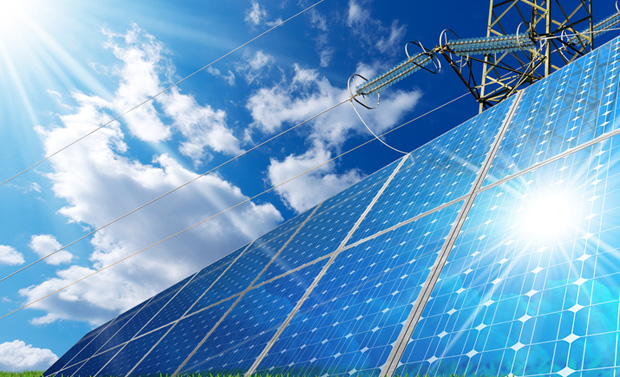
This includes wind and solar farms or hydro-electric power stations. Each megawatt-hour of eligible renewable electricity produces one LGC.
Electricity retailers buy LGCs then surrender them annually to the Clean Energy Regulator. This demonstrates retailers’ compliance with the RET scheme’s annual clean energy targets. In addition, the revenue earned by the power station for the sale of LGCs is additional to its sale of electricity.
The LRET includes legislated annual targets which will require significant investment in new renewable energy generation capacity. The large-scale targets ramp up until 2020 when the target will be 33,000 GWh of renewable electricity generation.
Small-scale Renewable Energy Scheme (SRES)
The SRES creates a financial incentive for households and small businesses to install small-scale renewable energy systems including:
- solar water heaters
- heat pumps
- solar photovoltaic (PV) systems
- small-scale wind systems
- small-scale hydro systems
The scheme does this by legislating demand for Small-scale Technology Certificates (STCs).
STCs are created for eligible systems at installation, according to the amount of electricity they are expected to produce. The SRES allows eligible solar PV systems to create, at the time of installation, STCs equivalent to the expected system output between the time of installation and the end of the RET scheme in 2030.
It is possible for owners of renewable energy systems to create and sell the STCs themselves. However, in practice, installers of these systems usually offer a discount on the price of an installation in return for the right to create the STCs.
Participation in the consultation is through the Department of the Environment and Energy website. The consultation closes Friday, 17 November 2017.