






One of the significant counter-arguments against global warming is that extreme weather events have always been a thing in Australia. You only have to look through the history books to see instances of floods, fire, cyclones, and more that have devastated large cities, regional areas, and rural communities.
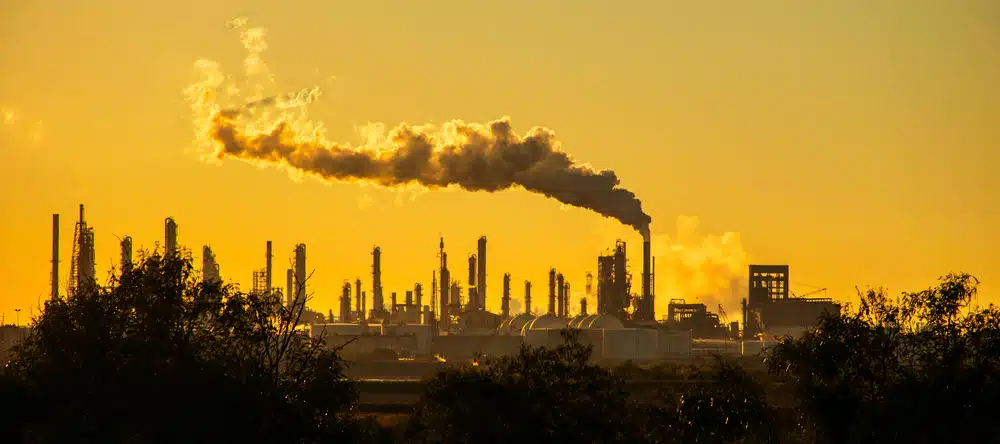
While our country has always been subject to extreme events like this, they have never been the norm, and that is what climate scientists are warning against – catastrophic weather events becoming regular occurrences, rather than just once-in-a-generation instances.
Joelle Gergis is a Senior Lecturer in Climate Science at the Australian National University, where she has spent the last three years working on the United Nations’ Intergovernmental Panel on Climate Change report, which is due to be released shortly. She said the recent floods in New South Wales were linked.
How do rising temperatures cause unprecedented flooding events?
Around 18,000 people were evacuated from Sydney in mid-March, while many NSW parts were declared disaster areas due to rapidly rising water. Colliding systems meant that a staggering 10 million Australians were under warnings as more than 800mm battered New South Wales in less than a week.
Like the bushfires of 2019, these events are unprecedented, with the last incident of this magnitude taking place 50 years ago. Dr Gergis said there was a direct connection between these deluges and climate change due to the following reasons:
- Our atmosphere holds more water: For every 1-degree Celsius of warming, the lower atmosphere will have 7 per cent more water, leading to heavier rainfalls.
- The heating of our oceans: Hotter surface water means evaporation rates increase, forcing more moisture into systems and increasing the risk of damaging wet seasons.
- La Niña: This is part of the broader El Niño–Southern Oscillation pattern, and it is caused by equatorial trade winds becoming more robust. This impacts ocean currents and increases the chances of rain when a cooler system collides with a warmer one.
“So while Australia has always experienced floods, disasters like the one unfolding in NSW are likely to become more frequent and intense as climate change continues,” Dr Gergis said in the report.
What makes these floods worse than others?
The people in New South Wales are no strangers to rising water in their state; in fact, there have been five instances in the last decade alone where regions have endured over 400mm in a short period.
The key differences between those events and the recent downpour include:
- Increased precipitation: While 400m is a lot and can cause significant issues, what we see in NSW is regions copping more than 900mm in some instances, in a much shorter time.
- Different weather systems: East Coast Lows have traditionally caused flooding, but a coastal trough caused this.
- The sheer magnitude: Previous disasters have typically been isolated to specific regions, while this enormous pattern threatened large chunks of Australia. This is simply unprecedented.
Addressing these differences will be crucial, or we can expect many more dangerous circumstances like this in the future.