




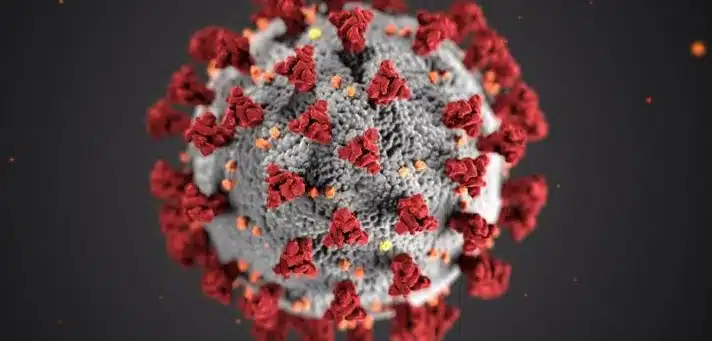
The world changed in March 2020. COVID-19 became a global pandemic, and industries, school and entire countries worldwide were forced into lockdown to contain the spread and protect our most vulnerable people.
Since that time, we have learned to live with the coronavirus, manage its spread and find ways to continue to work, play and be with the ones we love. Several vaccines are being trialled worldwide, and there is hope that we can return to some semblance of normal soon.
However, some things have changed forever. Many workforces that went behind closed doors and learned to operate remotely through platforms like Zoom and Microsoft Teams, flexible workforces became the norm and the need to commute every day to city centres became non-essential. So what will this mean for the transport sector moving forward?
The state of transport emissions before COVID-19
Before the pandemic, traffic emissions were a big problem. In 2016 they made up over 24% of global CO2 emissions, and this figure was expected to continue to rise. A growing global population meant more cars, trucks and buses on the road, and with at least nine nations set to double their population by 2050, these emissions were firmly in the spotlight.
The electric car has been mooted as the transport industry’s saviour, but adoption has been slow as the technology is still advancing and costs remain high. Many cities worldwide have moved towards electric or hybrid buses, and companies like Tesla and Volkswagen are leading the way with electric vehicles within reach of the average budget. But EVs made up just 2.8 per cent of all cars in the first quarter of 2020, just before the pandemic struck, which meant there was plenty of work to do.
How COVID-19 impacted transport emissions
The widespread lockdowns and remote workforces meant vast volumes of vehicles came off the road during 2020. Research conducted in the United States showed that represented a 13 per cent reduction in emissions from transport – even with fleets of delivery services hitting the road to ensure people could remain fed and receive essential supplies during lockdown.
The report also stated that if we could keep fossil-fuel driven vehicles off the road in that same capacity for an entire year, it would enable California to achieve its 2050 carbon target.
How will transport change in the wake of COVID-19
Unfortunately, there is no way of knowing what our transport system will look like after COVID. But there is cause for optimism for a wide range of reasons. Firstly, many workplaces have gained enormous efficiencies and will allow staff to work from home post-pandemic. Secondly, the electric car will become more mainstream, with Bloomberg New Energy Finance projections showing that almost 60 per cent of all car sales in 2040 will be EVs.
So the pause we saw in the industry may prove to be the catalyst that fast-tracks a greener system and helps us achieve a net-zero carbon future.