Episode 4: Light House Architecture & Science

On This Page

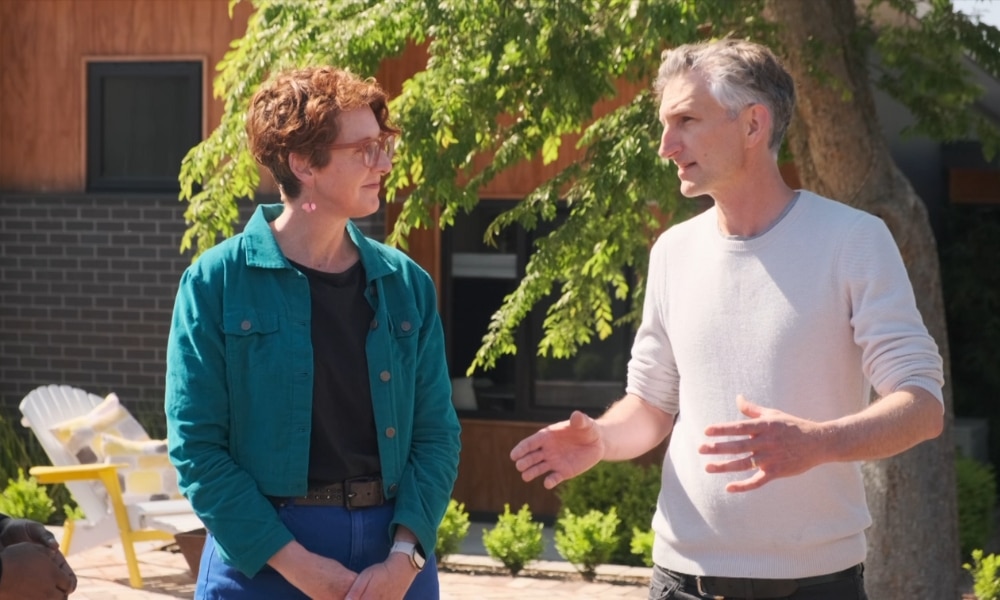
​Light House Architecture and Science, a renowned Australian firm, has been making waves with their innovative approach to sustainable living. Their multi-dwelling project, ‘The Village: three homes, three generations’, exemplifies their commitment to energy efficiency and thoughtful design. Roshan visited the Village in Episode 4 of Energy Matters with architects Jenny Edwards and Duncan Hall. Let’s take a closer look.

The Village: three homes, three generations

Located in Rivett, ACT, ‘The Village’ transformed a single residence into three separate homes, accommodating multiple generations within a single property. Completed in December 2019, each dwelling achieved an Energy Efficiency Rating (EER) exceeding 7.6 stars, indicating a 45% reduction in heating and cooling energy compared to standard 6-star designs. ​

Design and sustainability features

The project incorporated several key elements to enhance sustainability and comfort:

  • High-quality insulation: Ensured optimal thermal performance, reducing the need for artificial heating and cooling.​
  • Double-glazed windows: Improved energy efficiency and provided better acoustic insulation.​
  • Smart sun-shading: Utilised operable external blinds and fixed louvres to manage solar gain, allowing winter sun in while blocking summer heat.​
  • Material reuse: Recycled existing materials, such as bricks for paving, to minimise environmental impact and maintain aesthetic appeal.​

Making your home more energy-efficient

Whether you’re building anew, renovating, or renting, there are several steps you can take to improve your home’s energy efficiency:​

  • Insulation: Proper insulation in walls, roofs, and floors helps maintain indoor temperatures, reducing the need for heating and cooling.​
  • Windows: Installing double-glazed windows can enhance thermal performance and reduce energy bills.​
  • Solar panels: Harnessing solar energy can significantly cut electricity costs and decrease your carbon footprint.​
  • Energy-efficient appliances: Opt for appliances with high energy star ratings to ensure lower energy consumption.​
  • Smart design: Incorporate passive design principles, such as orientation and shading, to maximise natural light and ventilation.​


By implementing these measures, you can create a more comfortable living environment while contributing to a sustainable future.

Footer subscribe

By submitting your contact details provided on this form you are giving consent for one of our Solar Partners to contact you by Phone, Email, or SMS for a period of 90 days to discuss the solar-related products you have enquired about today. Your consent can be revoked at any time by either verbal or written confirmation.