
Uncategorized

The $8,000 EV Charging Secret That Could Save Your Home Energy Budget
Don’t let a $10,000 charger surprise you. Choose between Mode 3 and Mode 4 bidirectional charging wisely to save thousands on your home’s EV power setup.

Don’t let a $10,000 charger surprise you. Choose between Mode 3 and Mode 4 bidirectional charging wisely to save thousands on your home’s EV power setup.

Rooftop solar is now the grid’s largest power source, but it has been hard to track. New mapping tools are changing that, giving operators a clearer view in real time.

WA’s new 30 kVA limit is a “capacity budget.” Don’t spend it all on solar. Save room for your battery and EV charger to avoid future upgrade roadblocks.
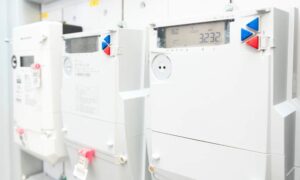
Your current energy use won’t stay the same for long. Here’s why more homeowners are planning ahead before choosing a system.

Expandable batteries sound simple, but real-world limits can block upgrades. Here’s what actually determines whether you can add capacity later, and how to plan around it.
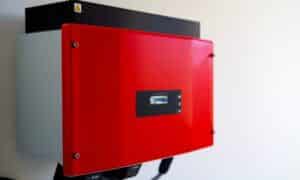
Battery rebates have changed, but the decision hasn’t. Focus on usage, sizing, and long-term savings to choose a system that actually works for your home.

Albany’s gas shutdown shows WA’s energy shift is moving beyond solar adoption, forcing households to replace entire systems as ageing infrastructure becomes uneconomic.

Rising fixed charges could cut battery savings by up to $13,000, changing how solar storage pays off and forcing households to rethink where their energy savings actually come from.

Stop managing your solar and start orchestrating it. In 2026, the “Energy Orchestrator” replaces cluttered apps with a single, autonomous brain that maximises your savings while you sleep.

Network tariff reforms are changing how electricity is priced. Here’s why your solar setup may no longer align with how savings are calculated—and what that means for your energy bill.