











Uncategorized

The Harvester Of Australian Renewable Energy’s Sorrow
Now that the coal dust of the Coalition’s election win is starting to settle; the soon-to-be clean energy corpses are easier to see.



Now that the coal dust of the Coalition’s election win is starting to settle; the soon-to-be clean energy corpses are easier to see.

University of Pennsylvania scientists have devised a new method of harvesting energy from light using plasmonic nanostructures.
A small solar powered water purifier developed by MIT is producing drinking water at a cost of just 8 Australian cents per 20 litres.

Auckland Museum will be building on its energy efficiency efforts by installing a solar panel system on its roof by January next year.
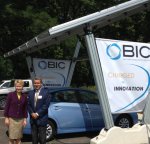
The Battery Innovation Center (BIC) at the Naval Surface Warfare Center (NSWC) in Crane, Indiana – and it incorporates a rather novel solar carport.
A new technique for improving the connections between stacked solar cells could lead to next-generation solar energy devices operating at concentrations of up to 70,000 suns.
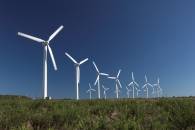
Researchers from Stanford University have determined that while storing surplus energy generated by solar farms in grid scale batteries is viable in terms of energetic cost; it may not be the same case for wind power.
The WH Solar Community, the first community owned solar project in Minnesota, has been officially opened.

UNSW researchers have compared fossil fuel and CCS with renewables and found coal fired electricity’s days may be numbered – the figures simply don’t stack up.

Some in Australia’s renewable energy industry will be starting their week scratching their heads as to what to do next.