










Uncategorized

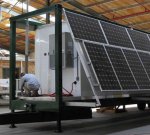
Mobile Solar Powered Rapid Response Unit
The first days after a disaster are critical and if power and clean water are unavailable, it can seriously hamper rescue and cleanup efforts.



The first days after a disaster are critical and if power and clean water are unavailable, it can seriously hamper rescue and cleanup efforts.
A reduction in the UK’s feed in tariff for new connections has seen solar power installations drop by 90% due to households not understanding that even at current rates, the case for going solar is still strong.
Recently we published an article on concerns Australia’s Renewable Energy Target may not be met. Origin Energy is reportedly saying quite the opposite.

Either Australia is chock-full of tree-hugging hippies, or the average Aussie is increasingly understanding how much money can be saved by making the switch to solar… and yes, it’s the latter.

This week, Virginia reports on Australia’s renewable energy target under threat, the mining industry still on the subsidy gravy train and the US EPA’s latest top 50 Green Power Partnership rankings.
Well, that’s a slight (gross) exaggeration, but no doubt some in the anti-renewables lobby will attempt to amplify the findings of a recent study. We thought we’d try to grab your attention first.
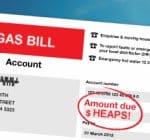
It’s not just electricity prices that will increase sharply soon; gas will also – and the hikes could be in the double-digits.

While solar panel glass is designed to reduce reflection; a new type of glass developed at Massachusetts Institute of Technology (MIT) will virtually eliminate it altogether.

The Cayman Islands government is taking an interesting approach to helping low income families battle increasing electricity costs – by providing free solar panel systems.

The U.S. EPA has awarded more than $1 million in grants to 15 university and college teams for their innovative environmental solutions. Among the winners are several projects related to solar power.