





NSW’s coal-fired plants are getting old and not enough is being done to replace them, according to a new Climate Council report. In general, the Council believes that NSW climate action is lagging.
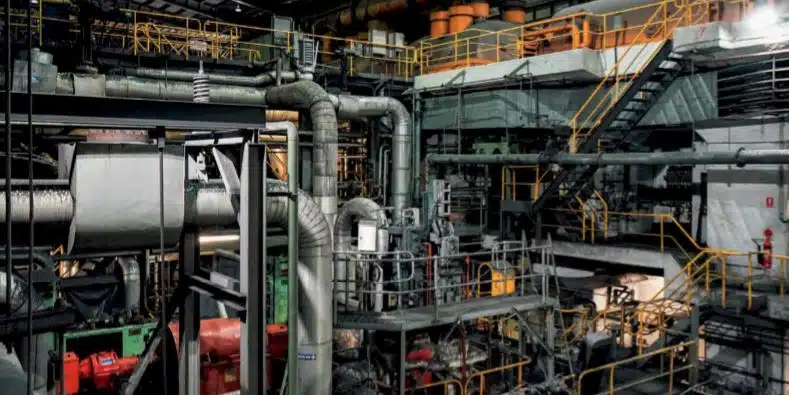
The Council’s ‘Ageing and Unprepared’ report says NSW has an 83 per cent reliance on coal for its energy needs. However, four out of five of its coal plants are due for retirement in the next 15 years.
Australia’s oldest coal power station, Liddell in Muswellbrook NSW, will close in 2022.
Despite this, the Climate Council report says NSW has limited government policies to encourage more wind and solar energy projects beyond 2020.
It paints a mostly grim picture of NSW climate action and energy policy, although it’s not all bad news. Here’s a brief rundown.
Limited NSW climate action and renewable energy support
While over 80 per cent of the NSW public support more renewable energy generation, wind and solar power accounts for only 6 per cent of energy in the state.
NSW is also building fewer renewable energy projects than other states. For example, while eight new NSW wind and solar plants commenced operating in 2018, this is low in comparison to Queensland, which had 17.
The state has no renewable energy target, and it abandoned its Renewable Energy Action Plan in 2018. There’s also no plan in place to meet its goal of zero-net emissions by 2050, and no comprehensive policy to encourage renewable energy project investment.
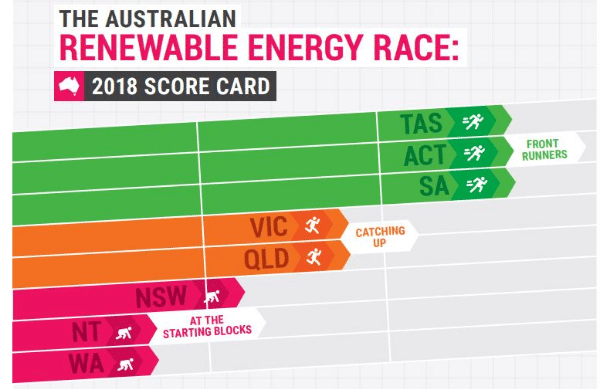
The report also puts NSW marginally above the “starting blocks” in the Australian renewable energy race. It concludes by saying “NSW has some catching up to do” after nearly a decade of policy stagnation.
The positive side: NSW taking some action on renewables
In October 2018, NSW announced it would provide $55 million to support large-scale electricity construction. Projects must not produce more than 0.5 tonne of carbon dioxide per MW, which means coal plants are ruled out. It does not rule out gas, however.
NSW also released a new transmission strategy in 2018 which identified four priority areas. This includes an interconnector with South Australia, and three new renewable energy zones – in New England, Central-West and South-West NSW.
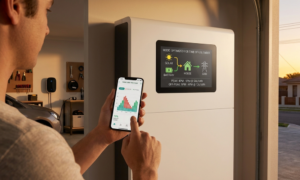
The government will fund a ‘virtual power plant’ across 40,000 households and businesses. This would consist of rooftop solar installations and energy storage batteries.
It has also announced an Empowering Homes program to provide no-interest loans of up to $14,000 for households to install rooftop solar panels and battery storage. This could help 300,000 households to substantially reduce their electricity bills.
There is expectation that with the election coming up in March of 2019, that the current Liberal-National coalition government will take a lead from the opposition Labor Party and start to address NSW climate action policy with greater fervor than in the past.