
When investing in solar, especially in commercial solar projects, one of the most important steps is assessing a solar proposal in Australia. With many solar installers offering different packages, incentives, and technologies, choosing the right option can be overwhelming.
By knowing how to compare solar proposals effectively, you can ensure you get the best value for money, long-term energy savings, and a dependable solar system. Energy Matters is here to support you through every stage of this process and help you make a confident choice.
On this page
Why evaluating a solar proposal in Australia matters
Commercial solar power is more than just panels on a roof. It’s a long-term investment that reduces electricity bills, provides energy independence, and enhances a company’s sustainability credentials.
However, not every solar proposal is created equal. By learning how to analyse and compare offers carefully, you can:
- Avoid overpaying for equipment or installation.
- Choose the most efficient system design for your site.
- Ensure you benefit from the right solar rebates and incentives.
- Maximise your return on investment (ROI).



Did you know Energy Matters is Australia’s largest renewable news, blog and educational resource? Subscribe to Energy Matters’ weekly newsletter and keep updated even with incentives, rebates and recommended solar product offers.
The ABCs of evaluating a commercial solar proposal in Australia
When you receive a solar proposal in Australia, it’s more than just a price list; it’s a detailed plan for your energy future. The document should comprehensively cover the proposed system’s technical specifications, financial projections, and the company’s credentials.
A good solar proposal will be transparent and address all potential questions you may have. It is essential to compare multiple solar quotes in Australia to get a true sense of the market. When assessing solar quotes for your business, keep these elements in mind:
1. Company credentials and expertise
Begin by scrutinising the company’s reputation. Ensure the solar retailer is a Clean Energy Council (CEC) Approved Solar Retailer, which is a voluntary code of conduct that demonstrates a commitment to high standards.
Check if the solar installer is accredited by Solar Accreditation Australia (SAA), which has replaced the CEC’s installer accreditation scheme. A reputable company will also have a strong local presence and positive customer reviews. Learn more about choosing the right solar installer.
2. Understanding the system's components
A high-quality solar proposal will provide a detailed breakdown of all the equipment. This is where you’ll find information about the solar panels, solar inverter, and mounting system. Don’t be swayed by the cheapest options; focus on the balance between quality and cost.
- Solar panels (Modules): The proposal should specify the brand, model, efficiency, and power rating (in Watts). Look for Tier 1 manufacturers, known for their financial stability and reliable warranties. Panels with higher solar panel efficiency ratings in Australia, typically above 20%, generate more power from a smaller roof area. Also, review the degradation rate, which indicates how much power the panels are guaranteed to retain over their lifespan (usually 25 years).
- Solar inverter: This is the heart of your solar system, converting the DC electricity from the panels into usable AC power. The proposal should clearly state the type of inverter—string, micro-inverters, or hybrid—and its brand and model. Evaluate the inverter’s efficiency and warranty. String inverters are common and cost-effective, while micro-inverters are ideal for roofs with shading issues or complex layouts. Hybrid inverters are essential if you plan to add a battery later.
- Mounting system: The quality of the racking is crucial for the long-term integrity of your installation. Ensure the proposal details the mounting system, which should be durable and resistant to Australia’s harsh weather conditions. It should be certified to meet Australian Standards for wind loads.
- Solar battery storage (optional): Ensure compatibility with solar battery storage systems if you plan to add one in the future.
Use Energy Matters’ easy-to-use solar power and battery storage calculator to determine the size of your solar system with storage! Our solar calculator will generate performance information and potential savings.
We can send this information to 3 of our pre-vetted and trusted local installers in your area to receive obligation-free solar quotes and take the first step towards true energy independence!

3. System design and sizing
A good solar proposal goes beyond simply listing equipment. It should show a clear plan for your specific property. This includes a satellite image or rendering of your roof with the proposed panel layout. The proposal should also specify the system’s size in kilowatts (kW) and whether it’s a single-phase or three-phase setup.
- System size (kW): The total wattage of your panels determines the system’s size. Your retailer should recommend a system size that aligns with your household’s energy consumption. An undersized system won’t meet your needs, while an oversized one may not provide the best return on investment.
- Performance estimate: The proposal must include an estimated annual energy production in kilowatt-hours (kWh). This is the most important number to look for, as it directly impacts your savings. A realistic estimate considers factors like your geographic location, panel orientation, and potential shading from trees or other structures.
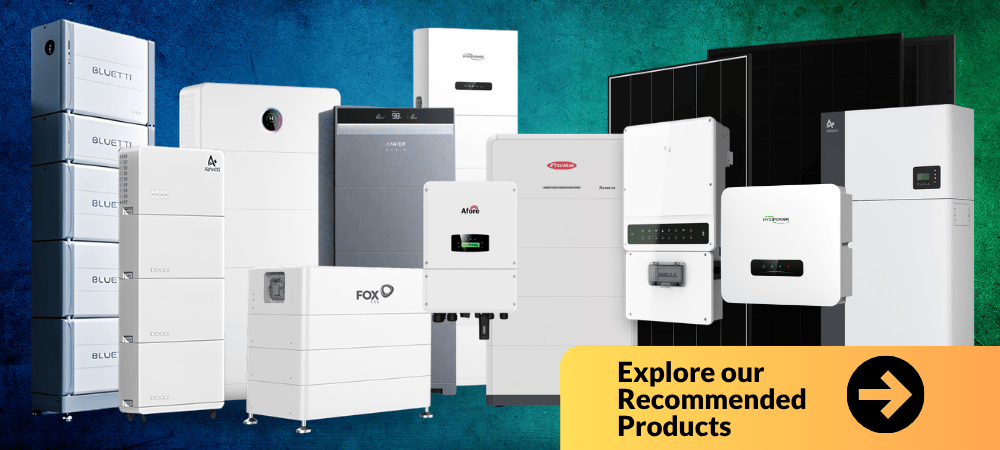
Check our page for our recommended solar products.
The financials: Decoding your investment
One of the most critical parts of evaluating a solar proposal in Australia is the financial analysis. This section should be transparent and easy to understand. It should go beyond the total cost and reveal the long-term economic benefits.
1. Total cost and incentives
The proposal should break down the total project cost, including all equipment, labour, and any permits or fees. Ensure the quoted price is the “turnkey” price, meaning there are no hidden costs. It should also clearly itemise any government solar rebates and incentives, such as the Small-scale Technology Certificates (STCs), which reduce the upfront cost of your system. Be cautious of quotes that don’t include these rebates.
2. Financial projections and return on investment (ROI)
A strong commercial solar proposal should provide a transparent financial breakdown. Look beyond the upfront cost and focus on long-term savings.
- Projected energy savings: The proposal should provide a detailed cash flow analysis, often over 25 years. It should compare your projected electricity costs with and without solar, highlighting the savings you can expect. Be wary of proposals that use an unrealistically high electricity rate escalation. A typical and reasonable rate is between 2 and 4%.
- Payback period: This metric shows how long it will take for your cumulative savings to equal your initial investment. A shorter payback period is generally more attractive. However, this number is heavily influenced by the assumptions used in the financial model, so question them if they seem too good to be true.
- Feed-in Tariff (FiT): The proposal should outline the expected feed-in tariff, the rate your electricity retailer will pay you for any excess solar energy you export to the grid. This can significantly impact your total savings.
3. Warranties and after-sales support
A solar system is a long-term investment, so robust warranties are essential. A good proposal will detail warranties for all key components.
- Product warranty: This covers the physical components, with solar panels typically having a 10- to 12-year warranty and inverters having a 5- to 10-year warranty. Look for brands with a physical presence in Australia for easier claims.
- Performance warranty: This guarantees the solar panels will produce a certain percentage of their rated power after a specified number of years, usually 80-85% after 25 years.
- Workmanship warranty: This is the installer’s guarantee of their work. A minimum of 5 years is standard, but some top-tier companies offer up to 10 years.

Essential checklist for reviewing a solar proposal
To simplify the process of evaluating a solar proposal in Australia, use this handy checklist.
- Is the company an approved solar retailer?
- Is the installer SAA-accredited and a licensed electrician?
- Are all components (panels, inverter, etc.) clearly specified with brand and model?
- Are the panels Tier 1, and do they have a good efficiency rating and degradation rate?
- Is the inverter type suitable for your roof and energy goals?
- Does the proposal include a clear diagram of the system on your roof?
- Is the estimated annual energy production realistic and based on site-specific factors?
- Is the total cost transparent with no hidden fees?
- Does the financial analysis use reasonable assumptions for electricity price escalation?
- Are the product, performance, and workmanship warranties clearly stated?
By carefully reviewing each of these points, you can make a confident and rewarding decision.
Protect your solar investment
Successfully assessing a commercial solar proposal in Australia requires a sharp eye for detail, a commitment to understanding the fine print, and a focus on long-term value rather than quick savings.
Don’t hesitate to ask your potential installer insightful questions about their credentials, the proposed equipment, and their financial modelling. A thorough and transparent proposal indicates a trustworthy provider who has your best interests at heart.
Ready to make the switch? Contact Energy Matters today for solar energy expert guidance, customised proposals, and the best commercial solar solutions in Australia.