




Science and technology are now developing new and innovative ways to deliver clean energy. Wind energy is one of the world’s most promising renewable energy sources today.
Many countries are now investing in wind energy conversion systems now that the global electricity demand has increased tremendously. Wind energy resources are the world’s cheapest source of large-scale renewable energy, reports The Clean Energy Council.
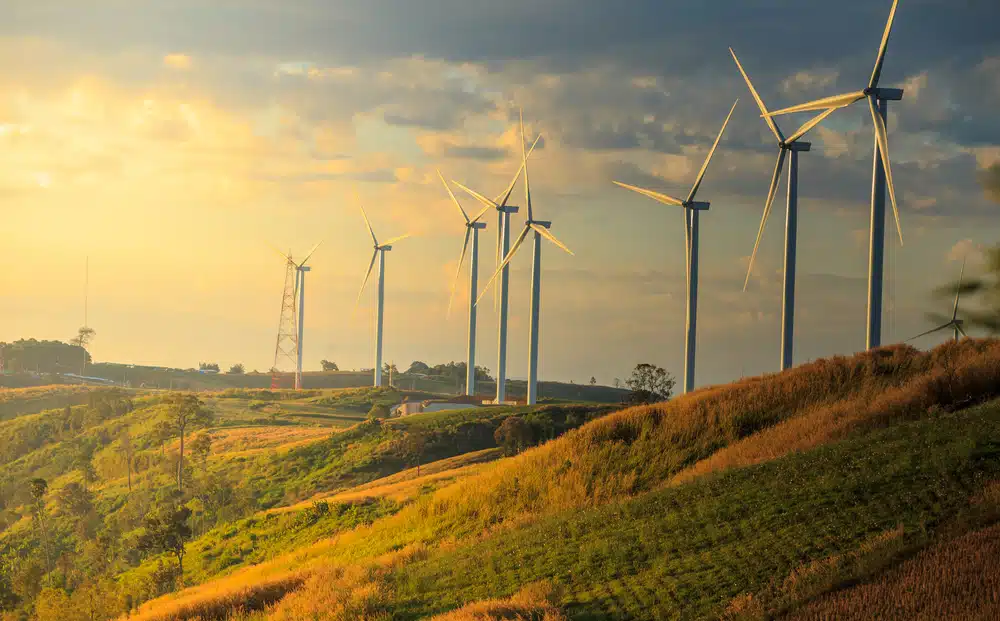
Wind power is another form of solar energy. The heat of the sun causes our planet’s atmosphere to circulate. The circulation of the wind turbine blades produces wind, which can be harnessed and then used to generate electricity.
On this page


Wind power systems explained
Wind power systems can be categorised into two main types:
- Onshore wind systems: Located on land, these systems are typically easier to install and maintain. They are commonly found in areas with consistent wind patterns.
- Offshore wind systems: Situated in bodies of water, these systems benefit from stronger and more consistent winds. However, they are more complex and costly to install and maintain.
What is a wind turbine?
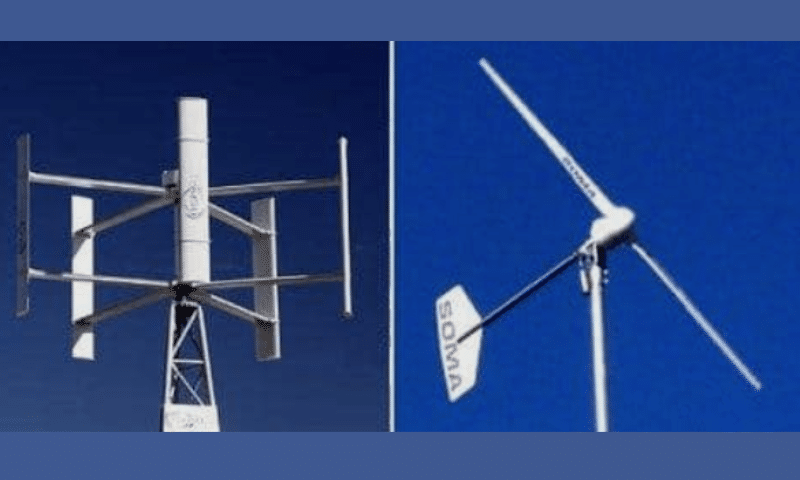
A wind turbine is a device that converts wind’s kinetic energy into electrical energy. They are used in larger applications, such as electricity for a utility grid. There are two classifications of wind turbines; vertical axis and horizontal-axis.
Horizontal-axis turbines are the most common turbine type with blades perpendicular to the ground.
In contrast, vertical-axis turbines have their blades parallel to the ground.
Wind turbines function by harnessing the wind, and using it to spin a rotor. A wind turbine usually has three propeller-like blades called rotors. The rotor is attached to a tall tower. On average, wind towers in residential settings are about 20m high. The reason why the tower is so tall is that winds are stronger higher from the ground and there’s less of a buffeting effect.
Wind comes from atmospheric changes: temperature and pressure changes the air around the Earth’s surface. All of which are triggered by the sun.
How wind turbines produce electricity
Understanding how wind turbines produce electricity requires examining their key components:
- Blades: Aerodynamically designed to capture wind energy efficiently.
- Rotor: Connected to the blades; it spins as the blades turn.
- Shaft: Transfers mechanical energy from the rotor to the generator.
- Generator: Converts mechanical energy into electrical energy.
How is wind turned into energy?
The base, tower, generator, and blades (rotor or propellers), which collect the wind’s currents, are the four primary components of a wind turbine.
A wind turbine captures the wind, which then produces a renewable energy source. The wind makes the rotor spin; as the rotor spins, the movement of the blades drives a generator that creates energy. The motion of the blades turning is kinetic energy. It is this power that we convert into electricity.
How do wind turbines work?
Wind energy causes the turbine’s blades to rotate, turning a set of gears attached to the generator. The wind’s energy is subsequently transformed into electricity via the generator. Even light breezes can generate power because the longer the blades, the more kinetic energy they can “harvest” from the wind. One of the reasons certain wind turbines are so large is because of this!
How is electricity made from turbines?
Wind power converts into electricity by magnets moving past stationary coils of wire known as the stator. As the magnets pass the stator, AC electricity production occurs. It is then converted into DC electricity. This can charge batteries that store the electrical energy or can feed into a grid-interactive inverter for feeding power into the electricity grid.
Turbine Installation
You can install wind turbines on properties, boats, or caravans. Whether it is viable depends entirely on the wind resources available in your area. The first thing you need to do is to find out the average speed in your area. While using freely available data gives an indication, the most reliable method is a reading taken at your site.
The average wind speed needs to be above 5m/s (18km per hour) to make installing a wind turbine worthwhile. Ideal locations for wind turbines are:
- In the country,
- on farms, or
- on the coast
Essentially, anywhere away from built-up areas. The more buildings around the installation, the less wind there is. Setting up a wind turbine is a big job that takes time. It can be a very cost-effective way of creating power as long as the average wind speed is high enough.
How is wind energy renewable? Is wind energy renewable or nonrenewable?
Wind power is renewable energy. Wind power is a clean energy source that we can rely on for the long-term future. A wind turbine creates reliable, cost-effective, pollution-free energy. It is affordable, clean and sustainable. One wind turbine can be sufficient to generate energy for a household.
Because wind is a source of energy which is non-polluting and renewable, the turbines create power without using fossil fuels. That is, without producing greenhouse gases or radioactive or toxic waste.

What is the cost of wind energy?
Today, this renewable energy source is one of the most cost-effective options to choose from. In fact, it’s the cheapest of all large-scale alternatives on the market. In 2022 alone, Australia’s wind farms produced approximately 33.5 per cent of the nation’s total clean energy supply, creating a further 71.5 per cent of the country’s electricity.
Because of this accessibility, the cost of wind energy continues to be a reliable and stable option for Australia to lean on. In a nutshell, an individual turbine costs approximately $7,000 to $20,000 to be installed, depending on the specific type.
The future of wind energy production
The wind energy industry is growing from $95 billion in 2020 to $225 billion by 2031, according to Bloomberg New Energy Finance. The rapid increase of wind energy around the world is driven by the affordable cost of wind energy, as well as the increasing aim to produce more renewable energy sources.
They are built from expensive materials to withstand the challenging conditions of the open ocean. Installing offshore wind power is also more complex compared to onshore wind farms.
Regardless of the challenges, offshore wind power projects are one of the most promising renewable sources that can meet the world’s electrical demand. We are likely to witness the installation of more offshore wind farms around the world in the coming years.
However, despite these challenges, we can be optimistic about the future of wind energy. Technological advances are delivering new opportunities for generating wind power. The falling cost of renewables is also making them increasingly competitive. As a result, wind energy is well positioned to play a major role in meeting the world’s future energy needs.
Offshore wind power is a new form of wind energy that can produce the best wind power capacity. Offshore wind turbines do not require any land and are more powerful compared to their onshore counterparts.
Is wind power right for you as a renewable energy source?
Without a doubt, wind power is a renewable source of energy that can significantly minimise our reliance on fossil fuels.
Solar panels are a better choice in most suburban residential settings than wind turbines. Learn more about wind energy vs. solar power or read our guide: Is Wind Power Right For You?
If you want to learn more about wind power, contact Energy Matters today. Our team can answer your questions and help you get started. We can connect you with our trusted local installers, who will provide up to 3 FREE solar quotes for your home and business solar energy system.
Get rooftop solar panels, such as in Melbourne. Energy Matters has a nationwide network of trusted local solar installers, like those in Melbourne, that you can access today, that can provide you with up to 3 Free Solar Quotes. Complete our quick quiz and switch to solar in Melbourne today.