





Updated in January 2026
Australia’s solar energy market is entering a transformative phase as we move into 2026. This year marks a shift from simple rooftop installations to integrated, smart energy ecosystems. New technologies and policy reforms are reshaping how solar power in Australia generates and uses electricity. With rising electricity costs and new technology, more Australians are turning to the sun for relief. This post explores the latest trends and what you can expect from the solar industry this year.
The key players in the solar energy market
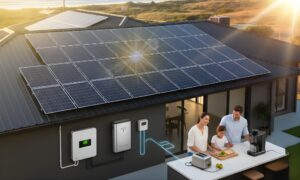
The landscape of renewable energy in Australia has shifted toward total energy independence. We are seeing a move away from “daytime-only” solar toward systems that provide 24/7 power.
- Massive solar battery integration: Home batteries are no longer a luxury; they are the new standard.
- Virtual Power Plants (VPPs): Households are now earning credits by sharing stored energy with the grid.
- Smart Energy Management: AI-driven software now automates when your home uses, stores, or sells power.
- Commercial solar boom: Large-scale businesses are installing “solar carports” and rooftop arrays to hedge against inflation.
Trends and predictions for 2026
Below are some of the solar energy trends and predictions for this year and beyond:
1. Improved solar panel efficiency
One of the biggest trends in Australia’s solar energy market is the rise in solar panel efficiency. Manufacturers are producing panels that generate more power using less roof space.
Traditional silicon panels are being pushed to their physical limits, leading to the rise of “N-Type” and Perovskite technologies.
- Higher conversion rates: Most Tier-1 panels in 2026 now exceed 23% efficiency, compared to 17% just a few years ago.
- Better heat tolerance: New cell materials handle the harsh Australian summer better, losing less power on 40°C days.
- Bifacial technology: More residential systems are using double-sided panels to capture reflected light from roofs.
- Smarter inverters: Modern inverters now act as the “brain” of the home, managing EV chargers and batteries simultaneously.
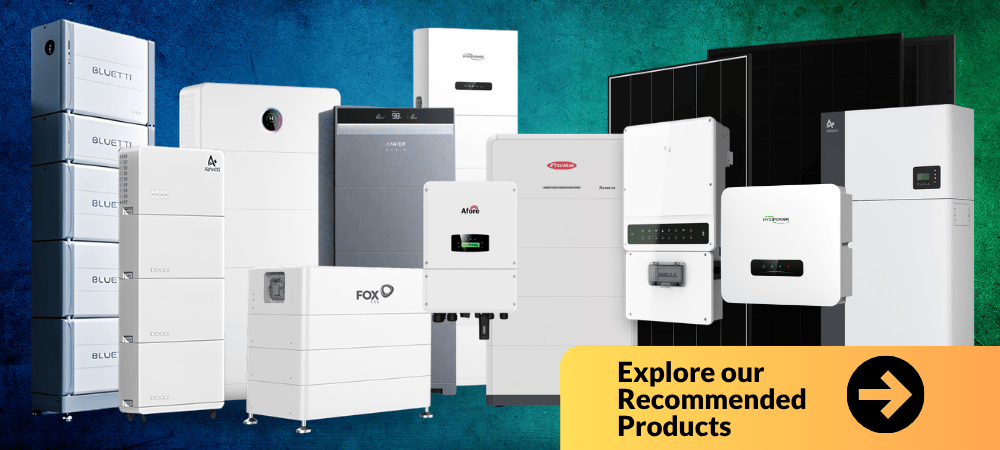
Check our page for our recommended solar products.

2. Rapid growth of solar battery storage
Solar battery storage in Australia is expanding rapidly. Batteries allow households to store excess solar energy Australia generates during the day and use it at night. Key drivers include:
- Lower battery costs
- Reduced feed-in tariffs
- Increased blackout concerns
By 2026, batteries will become a standard add-on for many solar systems. Virtual power plants (VPPs) will also grow, linking thousands of batteries into shared energy networks.
Energy Matters can help you compare the best solar battery options for your home or business. Check our page for our recommended solar battery products.
Use Energy Matters’ easy-to-use solar power and battery storage calculator to determine the size of your solar system with storage! Our solar calculator will generate performance information and potential savings.
We can send this information to 3 of our pre-vetted and trusted local installers in your area to receive obligation-free solar quotes and take the first step towards true energy independence!

3. Policy and regulatory changes impacting 2026
Ongoing government support for solar energy in Australia: Government policy remains a major influence on Australia’s solar energy market, and federal and state incentives continue to support solar adoption.
Key policies include:
- Small-Scale Technology Certificates (STCs): The federal “solar rebate” continues its scheduled phase-out. This means the upfront discount on systems is slightly lower in 2026 than in previous years.
- Battery incentive schemes: The “Cheaper Home Batteries” program has received a budget boost. This makes adding storage more affordable for middle-income families looking to ditch the grid.
- Emergency solar management: In states such as Western Australia and South Australia, new requirements now mandate “remote disconnection” capabilities. This allows the grid operator to manage solar output during periods of extreme oversupply to prevent blackouts.
- Support for community and large-scale solar

By 2026, policy is expected to focus more on storage, grid stability, and electrification.
Ready to get started? Talk to the Energy Matters team today and secure a quote tailored to the new all-electric requirements. Make your new Sydney home clean, cost-effective, and future-ready!
Contact Energy Matters now for a free consultation and start your all-electric journey!
4. Grid reforms and export limits
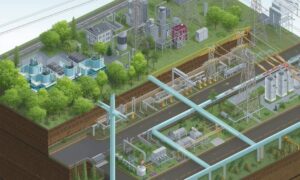
As solar power in Australia expands, grid operators are introducing new rules to manage energy exports. Emerging changes include:
- Dynamic export limits
- Incentives for self-consumption
- Greater use of smart meters
These reforms aim to balance renewable energy Australia-wide while maintaining grid reliability.
5. Commercial and industrial solar growth
Strong expansion of commercial solar in Australia: Businesses are turning to solar energy nationwide to reduce costs and meet sustainability goals. Commercial solar installations in Australia are growing across retail, manufacturing, and agriculture.
Benefits include:
- Lower operating costs
- Protection from energy price rises
- Improved ESG performance
By 2026, large rooftops and car parks will increasingly host solar systems, often paired with batteries.

6. Large-scale solar and renewable energy in Australia
Utility-scale solar continues to rise: Large-scale solar farms remain a critical part of Australia’s solar energy market. These projects support the clean energy transition Australia needs.
Trends include:
- Co-located battery storage
- Hybrid wind and solar projects
- Regional renewable energy zones
Utility-scale solar supports grid reliability while lowering wholesale electricity prices.

Why now is the right time to invest in solar
Australia’s solar energy market reached a tipping point in 2026. We have moved from simple rooftop panels to sophisticated, AI-managed energy hubs. While challenges like grid management and shifting rebates exist, the financial benefits of solar and battery storage have never been clearer. By embracing these trends, you can protect your home from rising costs and contribute to a cleaner future. The time to transition is now.
With technology improving and costs falling, now is a smart time to invest in solar energy Australia offers. Benefits include:
- Long-term energy savings
- Greater energy security
- Reduced carbon footprint – Use Energy Matters’ carbon footprint calculator to calculate your household and business’s direct emissions.


Are you ready to join the renewable revolution? Contact Energy Matters for expert solar advice on the right system for your needs. Energy Matters makes going solar simple—get expert advice and trusted installation today.