




As the U.S. begins a major push to become the leading player in the global solar revolution, the topic of sprawling solar farms built away from communities vs. small and medium scale solar arrays utilising rooftops and smaller parcels of already developed or degraded land is becoming an increasingly important issue.
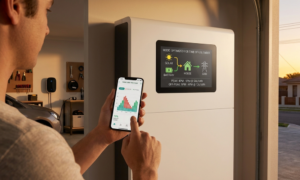
As we’ve reported in the past, small and medium scale solar power has the potential to become the Internet of distributed electricity generation – a network resilient to a single point of failure; whether caused by natural disasters or attack by hostile parties.
But this aspect only scratches the surface – decentralised solar power offers a multitude of other benefits over large scale plants; including avoiding “line loss” associated with remote generation, reduction in infrastructure investment while offering major permanent job creation potential and avoiding damage to wildlife habitats.
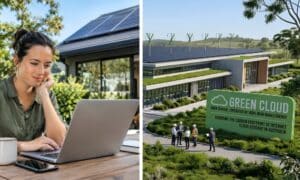
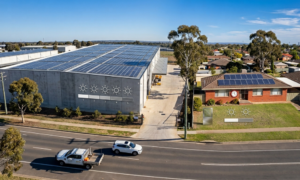
Instead of appropriating undisturbed public lands or utilising productive agricultural land for solar power generation on a massive scale, better use can be made of the very much under-utilised sea of rooftops in our towns and cities.
Solar Done Right, a coalition including public land activists, solar power and electrical engineering experts says when all the costs of establishing and maintaining large solar farms are considered; including factoring in transmission infrastructure and inefficiencies; local, distributed solar PV “is comparable in efficiency, faster to bring online, and more cost-effective than remote utility-scale solar plants”.
Earlier this month, the group released a report, “US Public Lands Solar Policy: Wrong From The Start,” which details some of the risks they say are associated with remote, utility-scale power generation and how increased focus on small to medium scale installations can help provide a solution.
However large or small, a solar farm will always be far more environmentally friendly than coal-fired or nuclear power generation facilities in terms of overall impact. But even within clean, renewable energy technology deployment, humanity can strive to have as little impact as possible – and in doing so, reap additional benefits.