



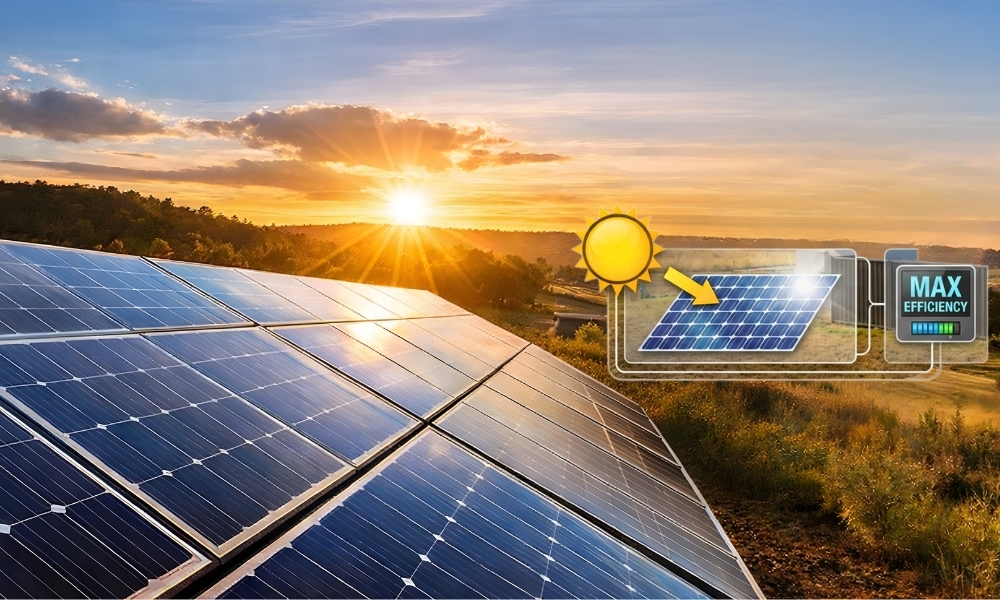
Australia is home to some of the harshest sunlight on the planet. Understanding solar panel efficiency is the first step towards energy independence. Not all solar panels are created equal when facing the Australian heat. Choosing the right solar panel and technology can make the difference between massive savings and mediocre results. In this guide, we dive into the science that powers our rooftops. We will look at why specific designs thrive in our unique climate.
What does solar panel efficiency mean?
Solar panel efficiency is the percentage of sunlight a panel converts into electricity. A panel with 22% efficiency converts 22% of available sunlight into usable energy.
Higher-efficiency panels produce more electricity from the same roof space. This matters in Australian homes, where roof size, shading, and orientation can limit the size of the solar panel system.

Why solar panel efficiency matters in Australia
Australia receives some of the highest levels of solar radiation in the world. That makes solar panel efficiency a critical factor in system performance and long-term savings.
Efficient panels:
- Generate more power during peak sunlight
- Perform better during hot days
- Deliver higher output in a limited space
The science behind solar panel efficiency explained
At its core, solar panel efficiency explained is about physics, materials, and engineering working together. The better these elements are designed, the more energy your system produces.
Key scientific factors include:
- Semiconductor quality
- Light absorption rate
- Electrical resistance
- Heat tolerance
The role of photovoltaic cells
Solar panels are made of many small units called photovoltaic (PV) cells. These cells are usually made from silicon, a semiconductor that absorbs photons. When sunlight hits the silicon, it knocks electrons loose, creating an electric current.
This process underpins solar panel efficiency. The quality of the silicon and the cell design determine how many electrons are successfully captured. Higher-quality materials enable smoother electrical flow with lower internal resistance.
Solar cell materials make a big difference
One of the most important factors in solar panel efficiency is the type of solar cell used.
Common solar cell types
- Monocrystalline silicon – Highest efficiency and best space use
- Polycrystalline silicon – Slightly lower efficiency, more affordable
- Thin-film solar – Lightweight but lower efficiency
Most high-efficiency solar panels in Australia use monocrystalline cells because they perform better in strong sunlight.
N-type vs. P-type: The science of doping
To truly have solar panel efficiency explained, we must look at how silicon is “doped.” Doping involves adding impurities to silicon to change its electrical properties. Traditional panels are “P-type,” which means they use boron as the primary dopant.
However, P-type panels are susceptible to Light-Induced Degradation (LID). This means they lose efficiency when exposed to sunlight. In contrast, N-type panels use phosphorus, which makes them immune to LID and more efficient overall.
Why N-type wins in Australia
N-type technology is the gold standard for the Australian sun. When solar panel efficiency is explained, you see that N-type cells have a much lower temperature coefficient. They also last longer, often coming with 30-year performance warranties.
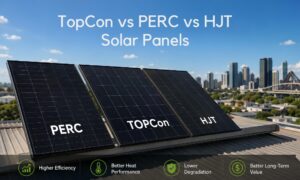
Many leading brands have shifted to N-type TOPCon technology. This shift is a huge win for Australian consumers. A solar panel efficiency comparison shows that N-type panels deliver a much better return on investment over time.



Solar panel degradation explained
Every solar panel loses a small amount of its capacity each year. This is a natural process caused by the elements. Understanding solar panel efficiency involves understanding the “degradation rate.” A high-quality panel might lose only 0.25% of its power each year.
A cheaper solar panel might degrade at double that rate. Over 25 years, that difference adds up to thousands of dollars in lost electricity. When explaining solar panel efficiency, you prioritise longevity over the lowest upfront price.
Recent research on the “Long Tail”
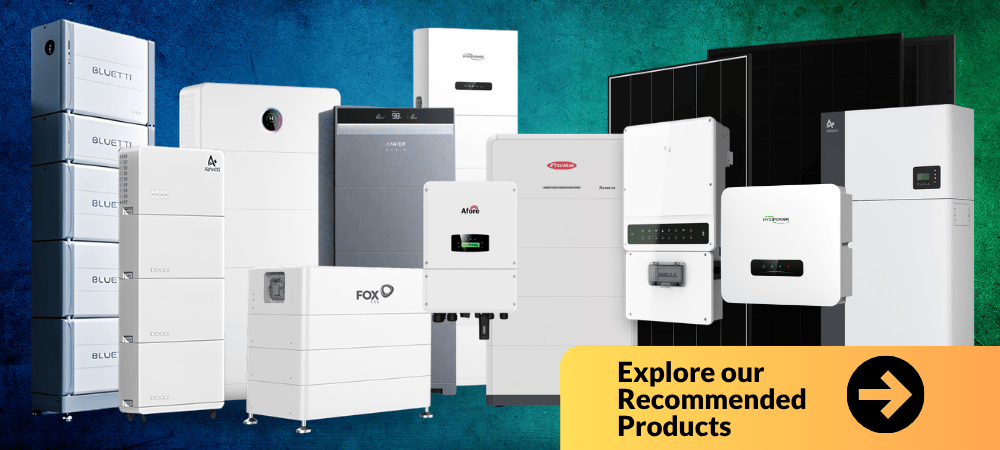
Recent UNSW studies from 2026 identified a “long tail” of degradation. This means that about 20% of panels fail much faster than their warranties suggest. Having solar panel efficiency explained highlights the importance of choosing reputable manufacturers with proven track records. Check our page for our recommended solar panel products.
Maintenance and environmental factors
Even the most efficient panel can be hindered by dirt and dust. In many parts of Australia, “soiling” is a major issue. To understand solar panel efficiency, note that a layer of dust can block 10% or more of incoming light.
Regular cleaning and proper tilting are essential. Solar panels should be installed at an angle that allows rain to wash away debris. Once solar panel efficiency is explained, you realise that installation quality is just as important as the hardware.
Shading and system design
If even one cell in a traditional panel is shaded, the whole panel’s output can drop. Modern “half-cut” cell designs help address this issue. Understanding how bypass diodes keep electricity flowing even when a tree casts a shadow explains solar panel efficiency.
The financial reality of efficiency
Is it worth paying more for a high-efficiency solar panel? In most cases, the answer is a resounding yes. A solar panel efficiency explanation shows that higher efficiency means you need fewer panels to generate the same power per square metre. This saves on racking, wiring, and labour costs.
Furthermore, a more efficient system produces more power in the morning and late afternoon. These are the times when electricity prices are often at their highest. When solar panel efficiency is explained, the long-term maths usually favours premium technology.

How to choose the right solar installer
A great panel is only as good as the team that installs it. You want an installer who understands solar panel efficiency and can explain it for your specific region. They should consider your roof orientation, local weather patterns, and shading.
Energy Matters works with a nationwide network of vetted professionals. We help you find the best tech at the best price. Understanding solar panel efficiency helps you ask the right questions during your quote process.
Choose Energy Matters for smarter solar solutions built to perform, save, and last in Australia. Get your free solar assessment today.