



Media Release
In today’s solar industry, where technology is evolving rapidly and competition continues to intensify, trust is no longer built on specifications alone.
For distributors, installers and end users, understanding how products are made and the systems behind them is becoming just as important as performance itself. Transparency, once a value-add, is now an expectation.
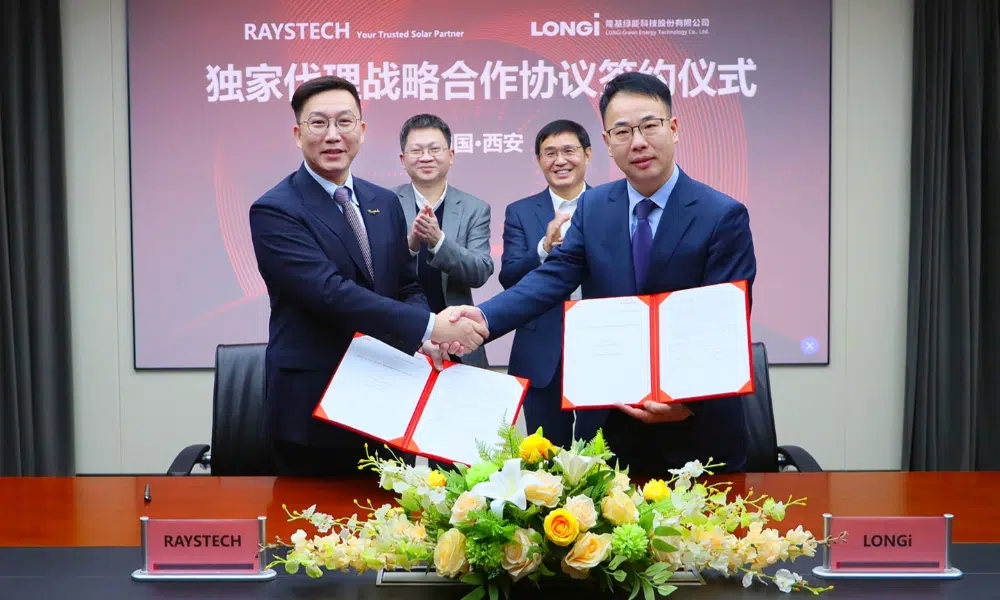
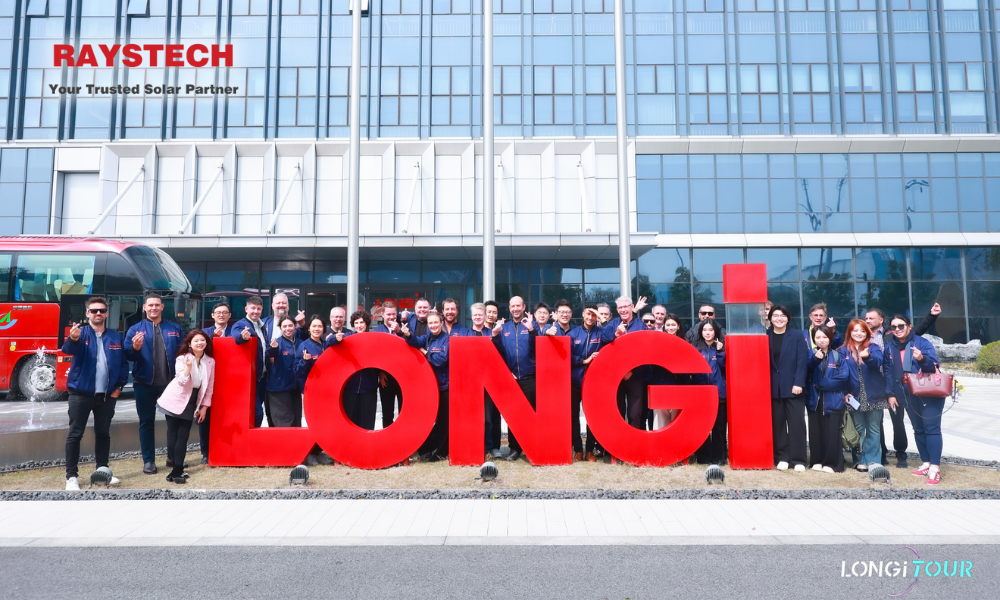
It is within this context that the LONGi Tour 2026, hosted by Raystech in collaboration with LONGi, offered Australian partners a rare opportunity to experience the solar value chain firsthand.
From production lines to performance confidence
A central component of the tour was a visit to LONGi’s manufacturing facility in Jiaxing, where participants were guided through highly automated production lines.
Operating at scale, the facility demonstrated how consistency is achieved through process standardisation, precision engineering, and rigorous quality control. From cell processing through to final module assembly, each stage reflects a system designed not only for efficiency, but for reliability over time.
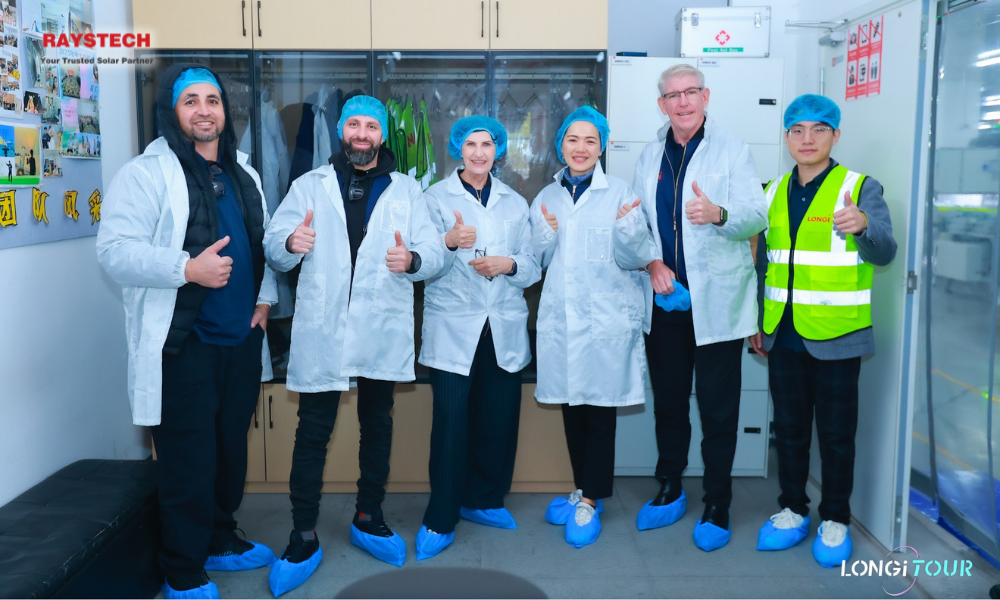
For many attendees, seeing these processes in action helped contextualise product performance beyond datasheets, reinforcing the link between manufacturing discipline and long-term field results.
Field validation: EdgeClear demonstration power station
LONGi arranged a visit to its EdgeClear photovoltaic module power station, where Australian partners saw the new product in real-world operation. Technical specialists showed diverse installation methods (ground-mounted, rooftop, tilted arrays) and explained how EdgeClear’s frameless, high-efficiency design adapts to Australia’s climate and scenario, turning product specs into visible, reliable performance.
R&D in practice: Turning concepts into experience
Beyond manufacturing, the tour also provided access to LONGi’s R&D centre, offering insight into how innovation is developed and applied.
Rather than limiting the experience to presentations, participants engaged directly with the technology through a hands-on module assembly session. Building a panel from its core components offered a practical understanding of module structure, materials, and assembly techniques.
This shift from observation to participation allowed attendees to better grasp the engineering decisions behind product design, bridging the gap between theory and application.
Connecting global supply with local delivery
The program extended beyond manufacturing and R&D to include a visit to Raystech’s Wuxi office, highlighting the role of distribution in bringing products to market.
Discussions focused on logistics, warehousing, and customer support — critical elements that ensure products reach installers and end users efficiently. As supply chains grow more complex, the integration of global manufacturing with strong local service continues to play a defining role in project success.
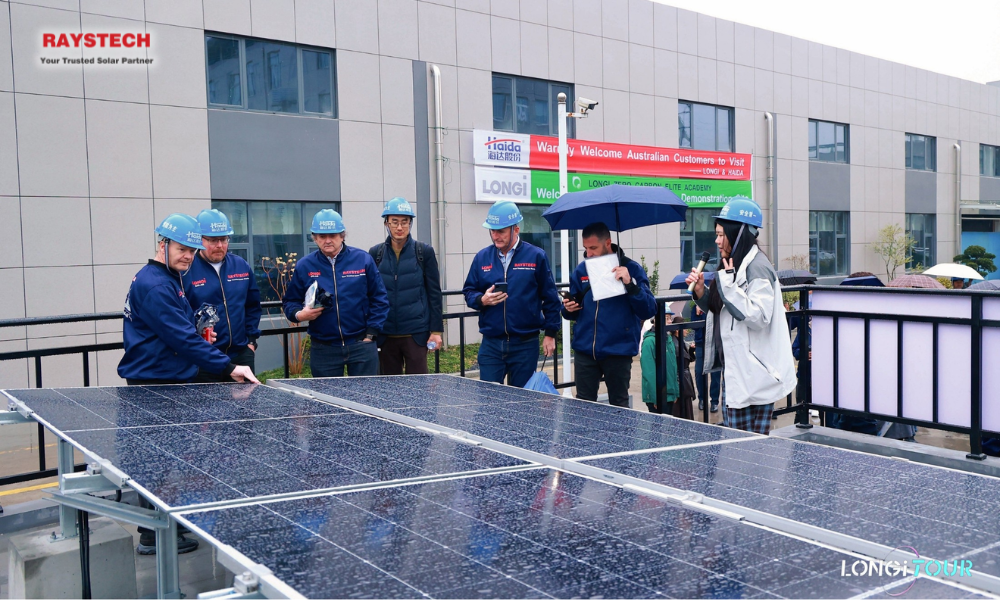
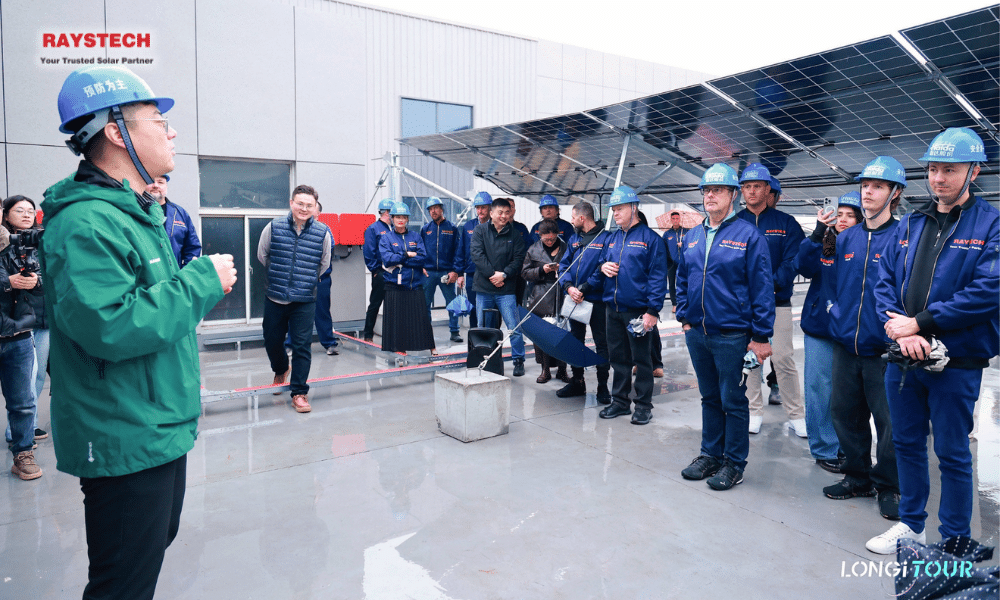
This end-to-end perspective, from factory floor to market delivery, provided participants with a more complete understanding of how value is created across the solar ecosystem.
Strategic dialogue: Roadmap, Q&A, and leadership commitment
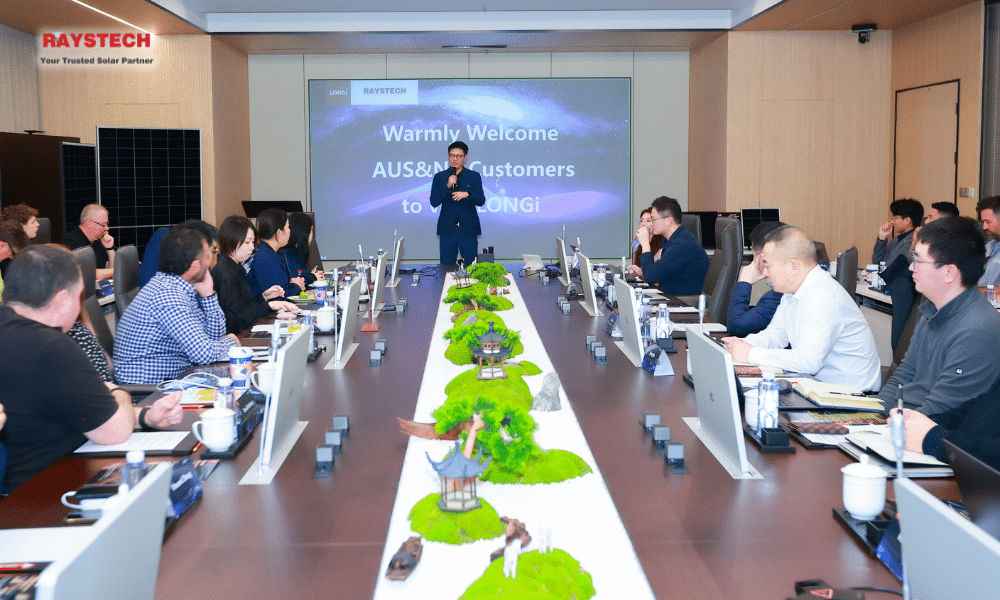
A dedicated strategy session united LONGi, Raystech and Australian partners. LONGi reviewed its Australian track record, presented a clear product roadmap, and let partners handle the latest modules firsthand. An open Q&A addressed supply and technical support directly.
The highlight was a keynote from Louis Liu, President of Global High-Growth Markets, reaffirming LONGi’s long-term commitment to Australia and its partners—turning the session into a milestone of shared confidence.
Partnership beyond the industry
As part of the tour, the Mater Foundation was invited as a special guest.
As a not-for-profit organisation dedicated to medical research and healthcare, its presence added a broader dimension to the program. It underscored how industry partnerships can extend beyond commercial objectives, contributing to wider social impact and community outcomes.
Conclusion
The LONGi Tour 2026 reflects a broader shift taking place across the solar industry.
As information becomes more accessible and competition intensifies, stakeholders are placing greater value on direct engagement. Seeing production processes firsthand, understanding R&D approaches, and engaging with distribution systems are becoming key factors in building confidence.
In this environment, transparency is no longer a differentiator. It is fast becoming the baseline.