




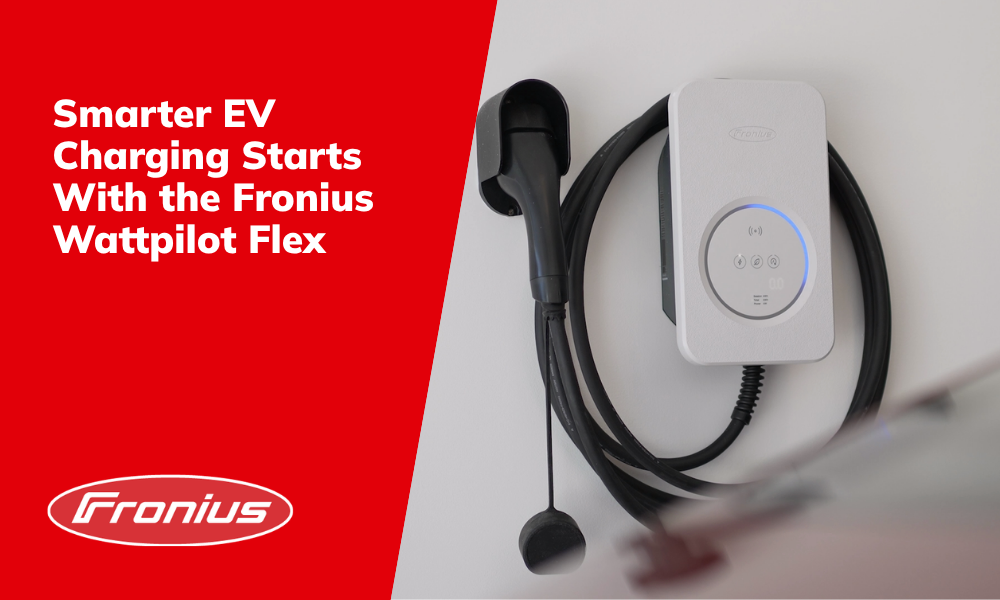
As electric vehicle ownership continues to grow across Australia, homeowners are increasingly asking a simple question. How can I charge my car as cheaply and efficiently as possible? For many households, plugging in an EV is only part of the equation. The real opportunity lies in using excess solar generation, taking advantage of cheaper electricity tariffs, and ensuring the home electrical system remains balanced. This is exactly what the Fronius Wattpilot Flex was designed to do.
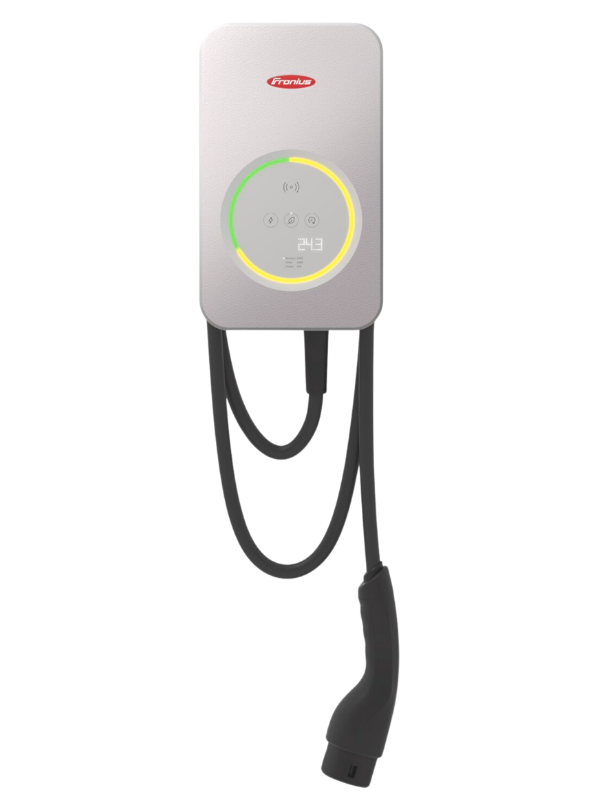
More than simply an EV charger, the Wattpilot Flex is an intelligent energy management device that works alongside your solar and battery system to help maximise self-consumption, reduce charging costs, and optimise energy use throughout the home.
Not all EV chargers are built the same
Many EV chargers simply deliver power whenever a vehicle is plugged in.
The problem?
Your vehicle may end up charging from expensive grid electricity, exporting valuable solar generation for a low feed-in tariff, or overloading the home’s electrical supply. The Fronius Wattpilot Flex takes a much smarter approach.
Through intelligent charging functions and integration with the broader Fronius ecosystem, the Wattpilot Flex actively adapts charging behaviour based on available solar energy, household loads, and electricity pricing opportunities.
Prioritising excess solar energy
One of the standout features of the Wattpilot Flex is its ability to prioritise solar charging.
Turning excess solar into kilometres
Rather than exporting excess solar electricity to the grid, the Wattpilot Flex can intelligently direct surplus generation into your electric vehicle. This allows homeowners to effectively use their roof as a fuel station.
Every kilowatt-hour of solar energy used to charge your EV is energy that does not need to be purchased from the grid.
This can significantly reduce transport costs and improve overall solar self-consumption.
Dynamic PV surplus charging
The Wattpilot Flex supports dynamic PV surplus charging and can automatically adjust charging power based on available solar generation. It can charge from as little as 1.38 kW of excess solar generation.
This means homeowners do not need perfect sunny conditions to begin solar charging.
Instead, the charger continuously adjusts charging power as solar production changes throughout the day.
Taking advantage of cheap and free electricity
Australia’s electricity market is changing rapidly.
Many retailers now offer:
- Free electricity periods
- Ultra-cheap overnight tariffs
- Dynamic wholesale pricing
- Time-of-use charging windows
The Wattpilot Flex allows homeowners to capitalise on these opportunities.
Intelligent charging schedules
Charging can be blocked or delayed during expensive tariff periods and prioritised during cheaper electricity windows. This allows homeowners to optimise charging costs without manually adjusting settings each day.
For households on overnight EV tariffs or free electricity plans, this functionality can significantly reduce vehicle charging costs.
Instead of simply charging immediately after plugging in, the Wattpilot Flex helps ensure charging occurs at the most economical time.
Automatic phase switching maximises solar charging
One of the most impressive features of the Wattpilot Flex is its automatic phase switching capability. This is particularly beneficial for Australian three-phase homes.
Why phase switching matters
A traditional three-phase EV charger may require more solar generation before charging can commence efficiently. The Wattpilot Flex can automatically switch between single-phase and three-phase charging modes.
This allows the charger to soak up smaller amounts of excess solar energy.
More charging from your solar system
By reducing the minimum solar generation required for charging, homeowners can capture more of their excess production throughout the day.
This can:
- Increase solar self-consumption
- Reduce exports
- Lower EV charging costs
- Improve overall system efficiency
For households with variable solar production due to weather conditions or shading, this feature can provide substantial benefits.
Get FREE Quotes for a Fronius System
Complete the form and you’ll be contacted by up to 3 local installers who will provide you with no-obligation and tailored quotes.
Dynamic load balancing protects your home
As homes become increasingly electrified, electrical demand is rising.
Modern homes may simultaneously operate:
- Electric vehicles
- Air conditioning
- Heat pumps
- Pool pumps
- Battery charging
- Cooking appliances
- Home offices
Without intelligent management, these combined loads can risk exceeding supply limits.
Preventing overloads
The Fronius Wattpilot Flex includes integrated dynamic load balancing functionality.
This allows the charger to monitor:
- Household consumption
- Available solar generation
- Total electrical demand
The charging rate can then be adjusted dynamically. This means the vehicle receives the maximum possible charging power without exceeding the home’s available electrical capacity.
Avoiding nuisance trips
For homeowners, this provides peace of mind. The system automatically ensures that charging remains within safe limits, helping to avoid tripped mains and unnecessary interruptions.
As more households electrify transport and heating, this feature will become increasingly valuable.
Smarter charging with next trip mode
Charging an EV is not always about filling the battery as quickly as possible.
Sometimes the priority is ensuring the vehicle has enough charge for an upcoming journey while still maximising solar utilisation and minimising electricity costs.
Charging around your schedule
Next Trip Mode allows homeowners to optimise charging based on future driving requirements. Rather than immediately charging to 100%, the system can intelligently manage charging timing and energy sources to ensure the vehicle is ready when needed.
This helps homeowners:
- Maximise solar charging opportunities
- Reduce charging costs
- Improve battery management
- Avoid unnecessary grid imports
For many households, this creates a far more intelligent and flexible charging experience.
Designed for integration
The Wattpilot Flex has been designed to work as part of a complete energy ecosystem.
It integrates seamlessly with:
- Fronius GEN24 Plus
- Fronius Reserva battery
- Fronius Smart Meter
- Fronius Solar.web monitoring platform
This creates a highly intelligent energy system where solar generation, household consumption, battery storage, and EV charging can work together. Rather than operating as separate devices, the entire home energy system becomes interconnected.
Built for Australian homes
The Wattpilot Flex is suitable for both indoor and outdoor installations and carries an IP66 rating. Available in both 11 kW and 22 kW versions, it can accommodate a wide range of household and vehicle charging requirements.
The charger also supports:
- RFID authentication
- Wi-Fi and LAN connectivity
- OCPP compatibility
- Future ISO 15118 readiness
- Unlimited integrated dynamic load balancing across multiple charging boxes
These features help ensure the charger remains future-ready as electric mobility continues to evolve.
Frequently asked questions
Can the Fronius Wattpilot Flex charge using solar energy?
Yes. The charger can dynamically prioritise excess solar generation and automatically adjust charging power based on available PV production.
What is automatic phase switching?
Automatic phase switching allows the charger to switch between single-phase and three-phase charging, helping maximise the use of excess solar energy.
What is dynamic load balancing?
Dynamic load balancing monitors household electricity demand and adjusts EV charging power to avoid overloading the home’s electrical supply.
Can I charge during cheap electricity periods only?
Yes. Charging schedules can be configured to prioritise low-cost or free electricity periods.
Does the Wattpilot Flex work with Fronius solar systems?
Yes. The charger has been designed to integrate seamlessly with Fronius solar, battery, and energy management products.
Why intelligent charging matters
As electricity prices rise and more Australians purchase electric vehicles, simply owning an EV charger is no longer enough.
Homeowners increasingly want chargers that can:
- Maximise solar usage
- Reduce electricity costs
- Protect household electrical systems
- Adapt to future technologies
- Integrate seamlessly with home energy systems
The Fronius Wattpilot Flex has been designed with exactly these goals in mind. Because charging your car should not simply be about adding energy. It should be about using energy as intelligently as possible.
Key takeaways
- The Fronius Wattpilot Flex is an intelligent EV charger rather than a simple charging device.
- It can prioritise excess solar generation.
- Charging can be delayed to capitalise on cheap electricity tariffs.
- Automatic phase switching helps maximise solar charging opportunities.
- Dynamic load balancing helps prevent mains overloads.
- Next Trip Mode intelligently optimises charging requirements.
- The charger integrates seamlessly into the broader Fronius energy ecosystem.
- Smart EV charging can significantly reduce transport and energy costs.
Take a look inside the Fronius ecosystem in our Fronius Explore Series.